Eight Dogs Show Distinct Caudate Response to Human Smiles
A University of Vienna fMRI study with eight dogs published August 7, 2026 in iScience mapped the canine brain response to human smiles, while a second arm of twelve dogs separated fear from anger and sadness.
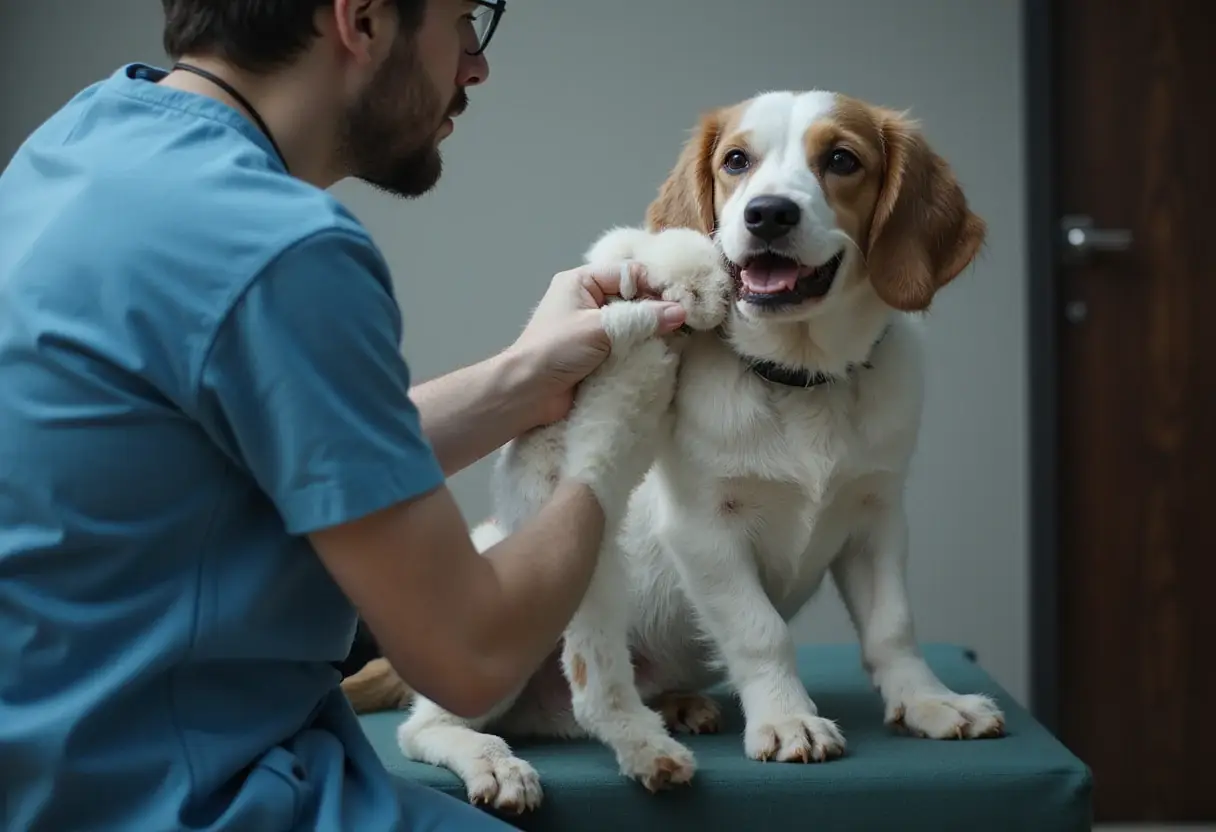
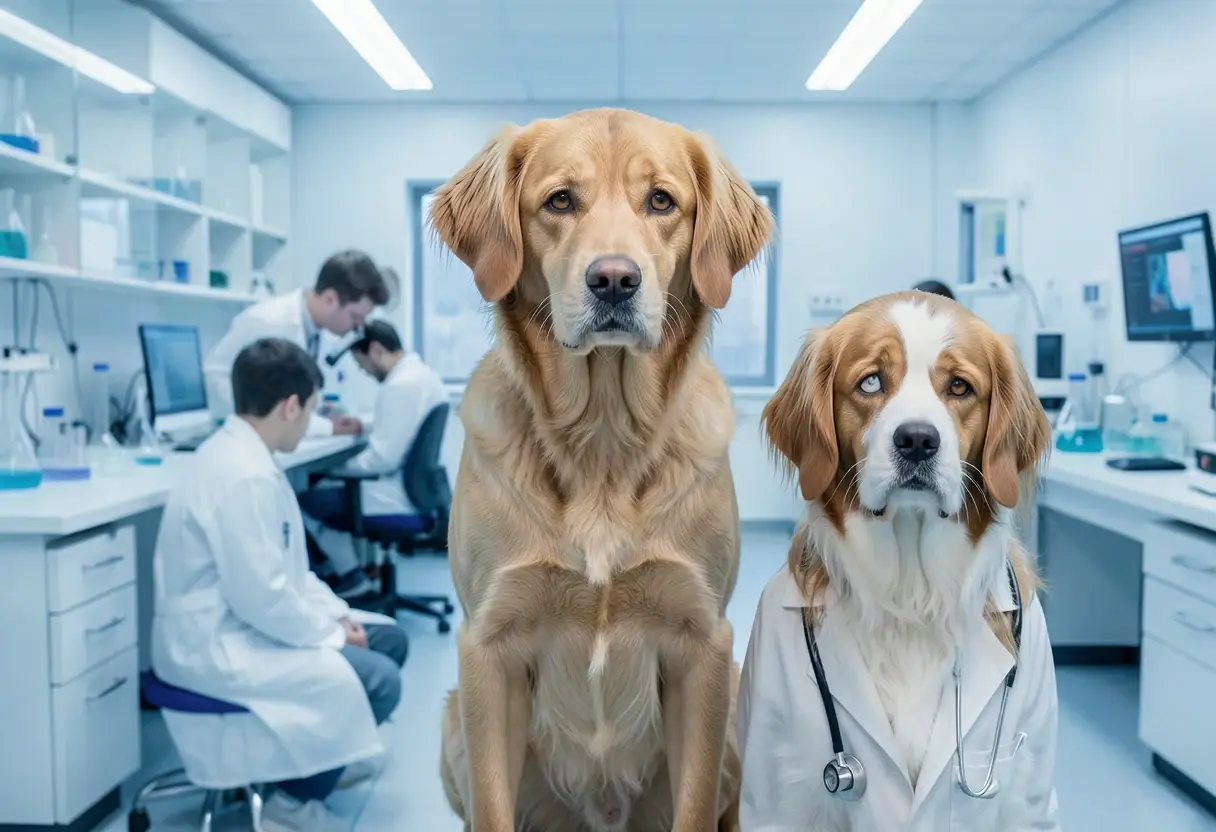
Photo: AI-generated
On August 7, 2026, the Cell Press journal iScience published a University of Vienna functional MRI study in which eight family dogs registered distinctive caudate-nucleus activity when shown photographs of unfamiliar smiling humans. The same team later scanned twelve dogs across a four-emotion panel to differentiate fear from anger and sadness in the canine brain.
How does the canine brain register a human smile?
In the first arm of the trial, investigators imaged eight dogs as the animals viewed unfamiliar faces showing happiness or neutrality on a calibrated screen. Smiles drove measurable activity in the temporal cortex, an area tied to higher cognitive processing, and in the caudate nucleus, a reward-processing region.
"The activity in the caudate nucleus is particularly interesting," said Laura Cuaya of the University of Vienna, who began the research at the National Autonomous University of Mexico and later expanded it through a collaboration at Eötvös Loránd University in Hungary. "It suggests that happy human faces may have emotional significance for dogs."
A machine-learning classifier then parsed the resulting activity patterns across the cohort.
Can dogs separate fear from anger from sadness?
The second arm exposed twelve dogs to images of happiness, anger, fear, and sadness. Whole-brain analysis revealed a distinctive neural signature for fear, separable from the patterns triggered by anger and by sadness. The authors describe that result as the first evidence in the canine literature that dogs can sort among specific negative human expressions rather than lump them into a single negative category.
The temporal cortex-caudate network distinguished smiles from negative cues with high accuracy, the researchers reported.
"Humans are really good at picking up small details on the face, and so are dogs," said first author Raúl Hernández-Pérez of the University of Vienna. "By studying their brains, we can understand what adaptations have developed to support their remarkable social and emotional understanding of humans."
The full author list includes Hernández-Pérez, Luis Concha, Attila Andics, Rodolfo Bernal-Gamboa, and Cuaya, with affiliations spanning the three universities.
What does this change at the exam table?
All dogs in the paper were companion animals living with families. The authors caution that a still photograph captures only a slice of how a dog reads a person; in clinic and at home, dogs integrate facial expression with body language, vocal tone, and scent.
The team also notes that free-ranging street dogs inhabit a very different social environment and may interpret human signals in ways the trial cannot yet capture.
That caveat aside, the imaging data carry weight for behavior-focused consultations. A client whose dog startles at a tearful face, or freezes when an angry owner approaches, is describing a reaction tied to identifiable neural circuitry rather than a purely conditioned response.
Cuaya framed the evolutionary case directly. "With dogs, the story is totally different," she said. "They followed a very different evolutionary path, yet through domestication, they developed the social abilities needed to understand and cooperate with us."
What comes next?
The Vienna team plans a cross-species comparison of canine and human processing of identical emotional images, alongside follow-up trials that test how dogs combine facial signals with vocal and olfactory input.
"I would like people to see dogs as emotional beings," Cuaya said. "They have evolved with us to understand our expressions and cooperate with us, and recognizing that can change how we communicate with and care for them."
The paper appears in iScience as Hernández-Pérez and colleagues' "Dog brain representations of human facial expressions: Encoding happiness and differentiating specific negative expressions," 2026, DOI 10.1016/j.isci.2026.116900.
By Nathan Brooks
Original: dx.doi.org
Nathan Brooks
Show full bio
Senior reporter covering companies, deals and strategy in Small- and large-animal clinical practice at The Vet Scope.
Related articles
Decoding Canine Fear: What Albuquerque Vets Are Reading
Proprioceptive deficits found in 1 of 4 dogs without neurologic signs
Frontiers study puts ChatGPT replies against veterinarian answers
Drugs Before Training: Rethinking Canine Separation Anxiety Care
Diagnostic Criteria for Canine Dementia Defined Under Olby's Leadership