CSU launches Ascend D.V.M. curriculum with 32-student class expansion
Colorado State University launched the Ascend D.V.M. curriculum with 170 first-year students this fall, up 32 from last year, alongside its new Veterinary Hospital and Education Complex.
Updated
Photo: AI-generated
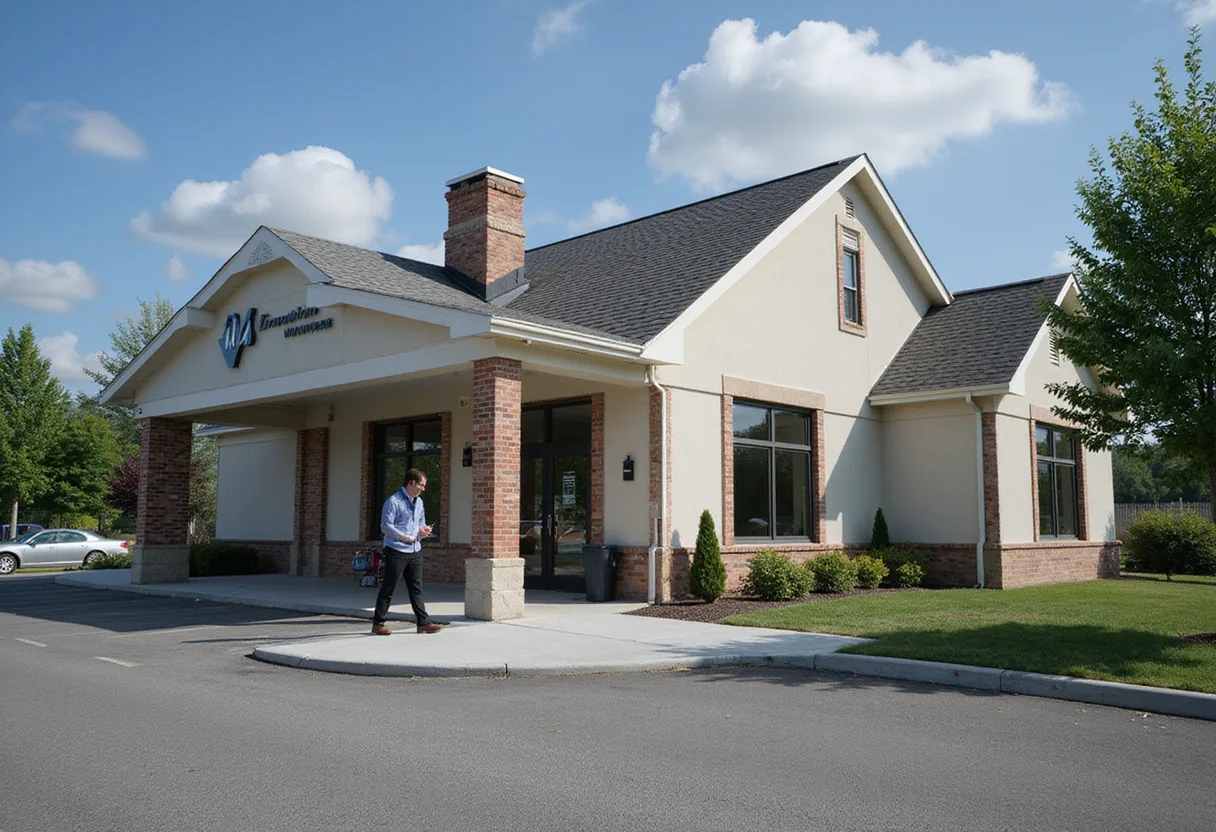
Colorado State University's College of Veterinary Medicine and Biomedical Sciences enrolled 170 first-year D.V.M. students this fall — 32 more than the previous cohort — as it launched the Ascend D.V.M. curriculum alongside a new Veterinary Hospital and Education Complex on August 17, 2026.
What changes for incoming students?
The Ascend curriculum replaces a more traditional course sequence with a block-based schedule during the first two years. Each block focuses on a single body system, including cardiovascular, gastrointestinal, and respiratory systems. Faculty structured the blocks to shorten the gap between classroom learning and clinical application.
Dr. Melinda Frye, associate dean for veterinary academic and student affairs, said the design relies on repeated exposure. "We know that every time a student revisits a topic, especially if it's in a slightly different way, it helps cement that information," Frye said. "If we offer them opportunities to apply that information to novel, authentic scenarios, it really helps them engage and develop their clinical reasoning muscles."
How much more hands-on training will students get?
Students now complete a minimum of 14 weeks on the VHEC primary care service, up from four weeks under the prior curriculum. Large animal–focused students also gain more primary care time, supported by a new livestock hospital that opened this summer.
The college borrowed methods from human-medicine education and incorporated the latest pedagogical research during a planning process that began more than a decade ago. Goals included stronger clinical reasoning, expanded hands-on training, and better preparation for the day-one demands of general practice.
Dean Dr. Sue VandeWoude framed the redesign as a reset for the program. "Our Ascend D.V.M. curriculum sets a new standard for how we will teach veterinary medicine at CSU," VandeWoude said. "We're adopting new teaching approaches for professional training that build upon CSU's longstanding legacy of excellence in veterinary education."
What role does well-being play in the new schedule?
Each semester now includes dedicated SWIM weeks, a term that stands for synthesis, well-being, identity, and mentorship. Students work through complex cases, meet with assigned coaches, and prepare for the next block. Administrators tied the well-being emphasis to retention, noting that burnout drives veterinarians out of clinical practice.
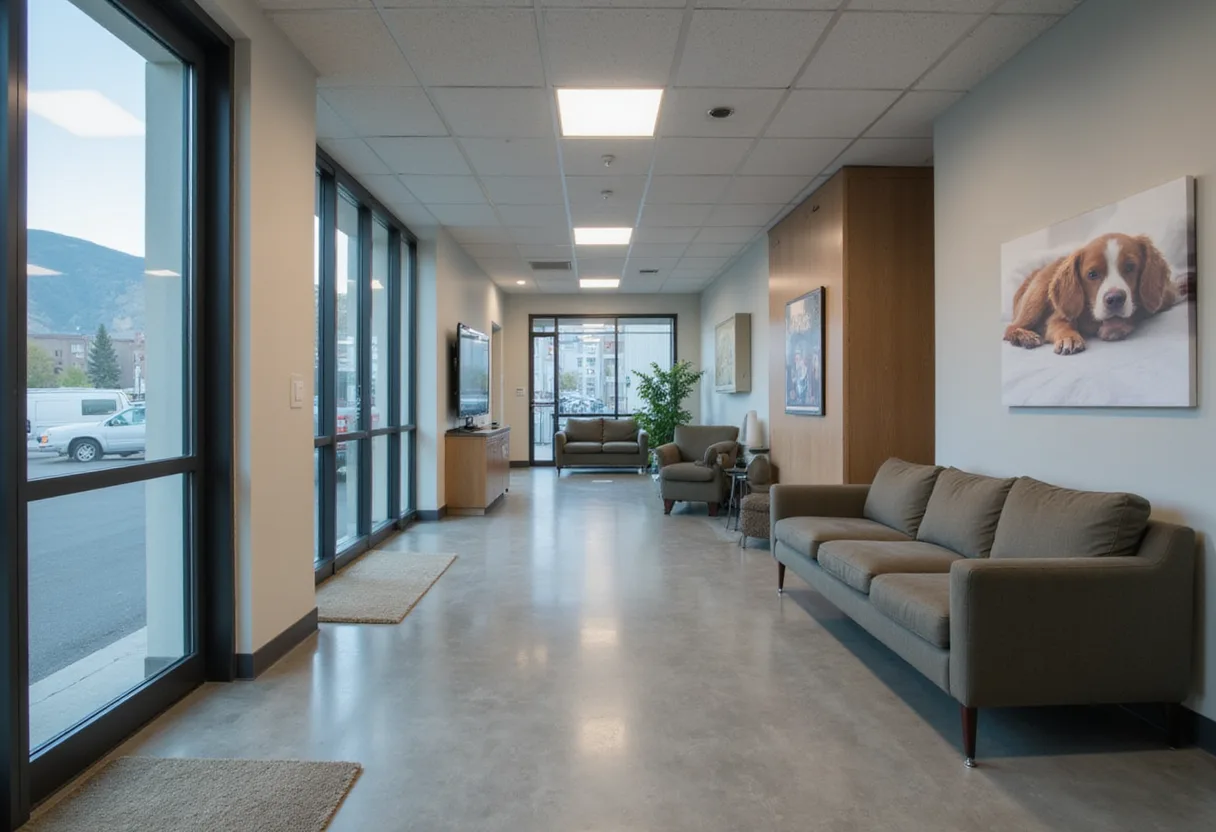
Dr. Paul Avery, professor of clinical pathology and co-chair of the curriculum renewal committee, said the new building supports that goal in ways the old campus could not. "One of the huge benefits we have is that we're opening this new, state-of-the-art education building that's extremely well-suited to helping us facilitate the changes we're making to the curriculum," Avery said. "We're putting more emphasis on well-being as well as mentoring and coaching than anywhere else."
Why does the class size jump matter?
The 32-student increase responds to a documented U.S. shortage of veterinary care. Larger cohorts require more clinical slots, more faculty, and more teaching space — capacity the VHEC now provides.
Sam Evans, an associate professor in the Department of Microbiology, Immunology, and Pathology and a member of the curriculum renewal committee, said the redesign reflects what graduates actually do. "I like that they were thinking more about mental well-being and physical well-being when they designed the curriculum," Evans said. "Having those decompression weeks after exams I think is going to be really nice."
What competencies does Ascend target?
- Clinical reasoning and problem-solving through repeated exposure to common case types
- Communication and teamwork taught as core skills rather than soft add-ons
- Hands-on practice in active learning classrooms, simulation spaces, and dedicated surgery labs
- Exposure to nonclinical careers in advocacy, policy, conservation, welfare, and public health
First-year student Claire Cameron, who came to Fort Collins from North Carolina with interests in both large- and small-animal medicine, said the design feels intentional. Classmate Alexis Rabinovitch, who aims to work with exotic animals, agreed: "One thing I really appreciate about the new curriculum is that I feel like it's really teaching us how to be a veterinarian instead of just teaching us the steps."
The college will track outcomes as the Class of 2030 progresses through clinical rotations, with curriculum leaders expected to publish internal assessments of board passage, retention, and graduate preparedness in coming years.
Original: cvmbs.source.colostate.edu
Grace Kim
Show full bio
Staff writer covering regulation, policy and their impact on Small- and large-animal clinical practice at The Vet Scope.
Related articles
CSU cuts the ribbon on new Veterinary Hospital and Education Complex
Colorado State University Opens New Facility Dedicated to Veterinary Medicine and Education
CSU Opens Expanded Primary Care Suite for Veterinary Training
Arkansas State Veterinary Class Receives White Coats in First Ceremony
UC Davis revives small animal rotating internship after 45 years