Arkansas State Veterinary Class Receives White Coats in First Ceremony
Arkansas State University's inaugural veterinary medicine class received their white coats in the institution's first such ceremony. The Jonesboro program enters a workforce context marked by documented rural and livestock veterinary shortages.
Updated
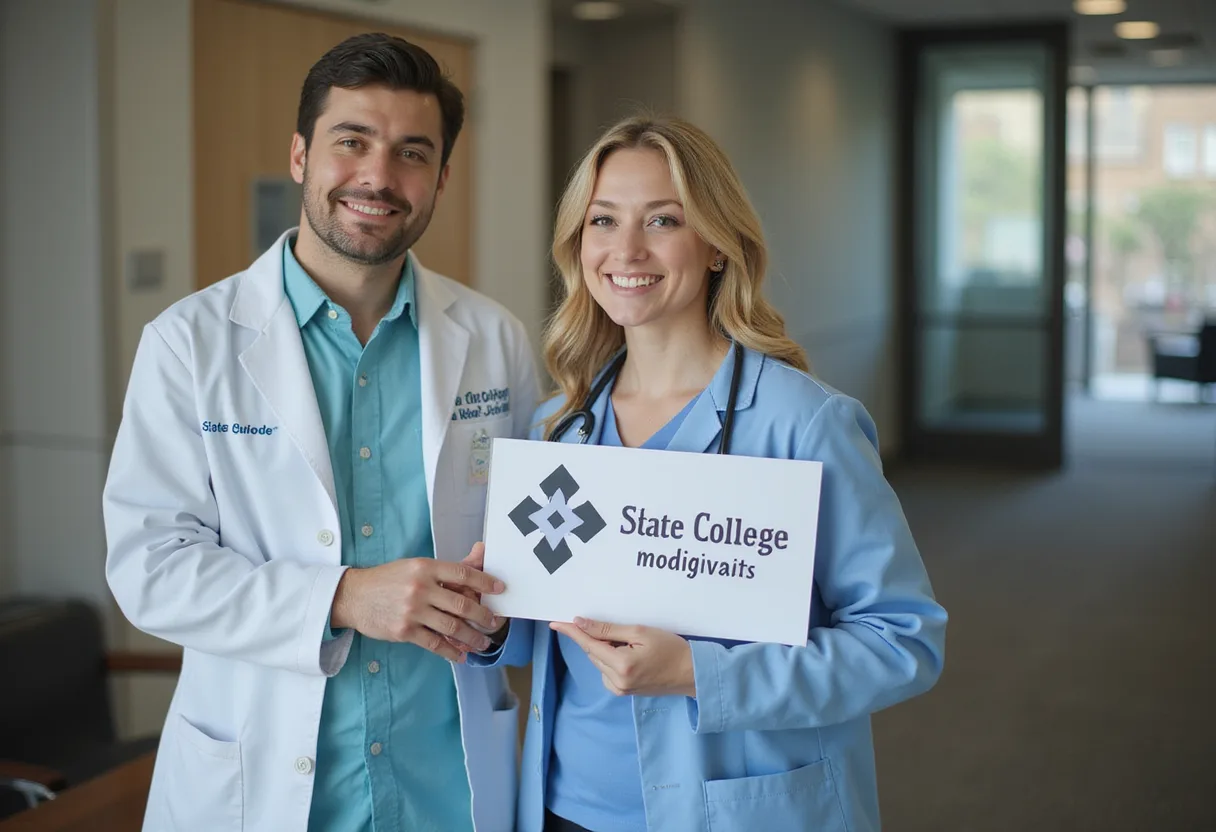
The inaugural class of veterinary medicine students at Arkansas State University received their white coats in a special ceremony, marking the first time the Jonesboro institution has formally recognized trainees crossing into clinical veterinary education.
What does a white coat ceremony signify?
The white coat ceremony, now a standard ritual at U.S. colleges of veterinary medicine, formally inducts students as colleagues-in-training within the veterinary profession. The tradition typically marks the student's transition from preclinical, classroom-based instruction to clinical rotations, and is traditionally attended by faculty, family, peers, and practicing veterinarians from the surrounding community.
For Arkansas State's inaugural cohort, the ceremony confirms that the first students admitted to the university's veterinary program have completed the early phase of their professional curriculum and now enter the clinical phase of training. The veterinary degree in the United States is a four-year program that culminates in the Doctor of Veterinary Medicine (DVM) degree, the entry-level credential required to obtain a state license to practice veterinary medicine.
Why does the inaugural class matter?
Arkansas State's establishment of a veterinary medicine program places the university among a limited set of institutions authorized to confer the DVM degree in the United States. States without in-state veterinary colleges typically direct their students to out-of-state programs through contract arrangements, a structural pattern that influences tuition rates, student debt, and the eventual practice location of new graduates. Adding a college of veterinary medicine within the state changes that pipeline for Arkansas residents and the broader mid-South region, where veterinary services for both companion animals and food-animal operations have faced documented workforce pressure.
The new program also enters a context in which federal agencies and professional associations have repeatedly documented shortages of veterinarians serving rural communities, livestock operations, and public health roles. The American Veterinary Medical Association has tracked companion-animal workforce pressure in metropolitan and rural areas alike, and the U.S. Department of Agriculture has historically tracked shortages of food-supply veterinary practitioners through its National Institute of Food and Agriculture. New veterinary programs are typically framed by their host institutions as one response to these shortages, although the long-term effect of any single new program on state-level veterinary supply remains a matter of scale rather than transformation.
What does the announcement disclose?
The Arkansas State University announcement is limited in detail. It confirms that the inaugural veterinary class participated in a white coat ceremony but does not specify:
- The size of the cohort
- The date of the ceremony
- The campus venue or building used
- Any speakers or remarks delivered at the event
The brevity of the announcement is itself notable, as white coat ceremonies at established veterinary colleges typically draw public commentary from deans, state officials, and leaders of state veterinary medical associations. Additional reporting from Arkansas State University or its veterinary program will be needed to fill in the standard details of the event.
What milestones come next?
Veterinary students who complete their white coat ceremony typically proceed through the following sequence:
- Clinical rotations across companion-animal, large-animal, and specialty practice settings
- Passage of the North American Veterinary Licensing Examination (NAVLE)
- Graduation with the Doctor of Veterinary Medicine (DVM) degree
- Entry into private practice, internship, or residency programs
For Arkansas State's first cohort, each of these steps will be measured against the program's stated outcomes, including board passage rates, internship placement, and the eventual distribution of graduates across practice types. A single class does not establish a program's reputation, but the first class does establish a program's existence.
Source: Google News: Veterinary medicine
Nathan Brooks
Show full bio
Senior reporter covering companies, deals and strategy in Small- and large-animal clinical practice at The Vet Scope.
Related articles
A-State Holds First White Coat Ceremony for Veterinary Students
Arkansas State Opens Veterinary College, Seats First Class
Arkansas Opens First College of Veterinary Medicine at A-State
UMES Veterinary School Nears First Applicant Pool for Summer Start
Lyon College Names New Dean for Its School of Veterinary Medicine