Clemson Dedicates New Veterinary School
Clemson University has dedicated its new veterinary school, formally marking the arrival of a DVM program in South Carolina and a new valve in the profession's workforce pipeline.
Updated
Photo: WOKANDAPIX / pixabay
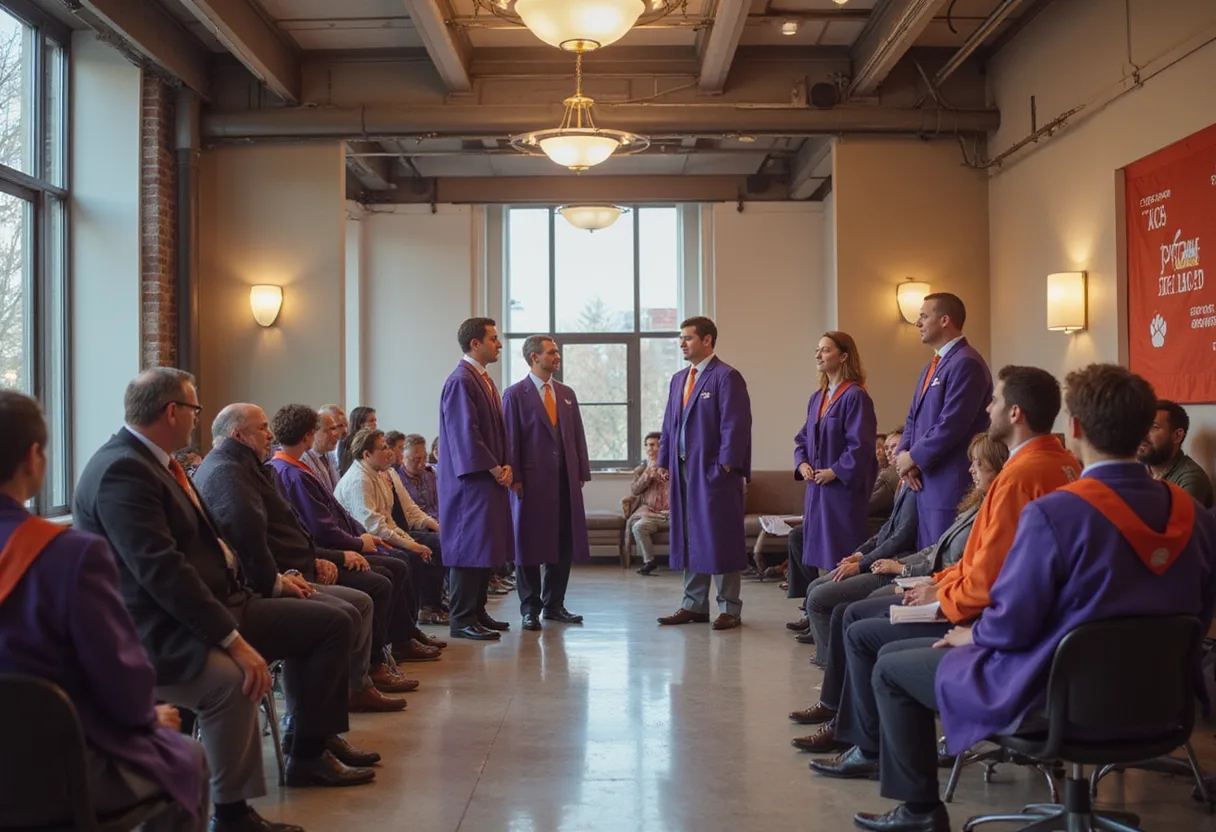
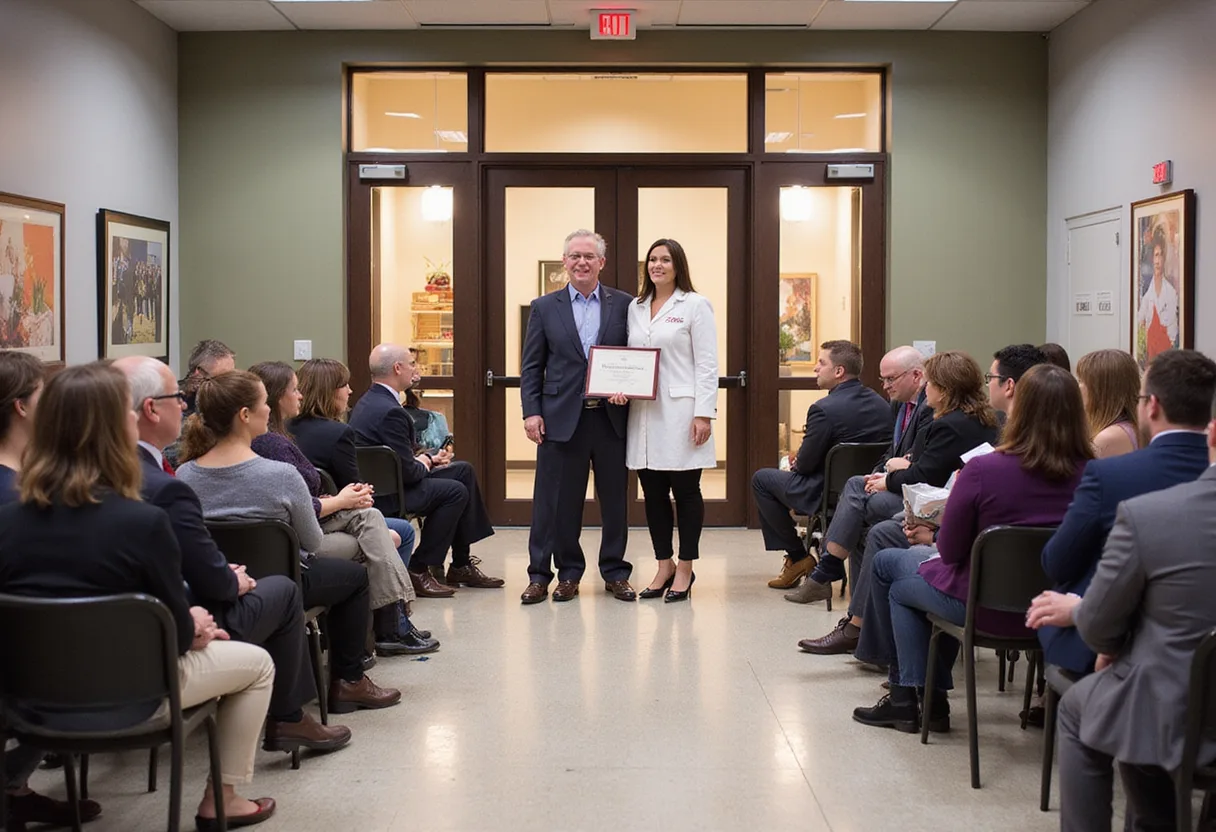
Clemson University has held a dedication ceremony for its new veterinary school, formally marking the arrival of a new doctor of veterinary medicine program in South Carolina, FOX Carolina News reported.
The ceremony signals a transition from planning to operation. A dedication, in university practice, means the physical campus and the academic program have reached the point where the institution puts its name on the building and invites the public in. For the veterinary profession, each new school matters because the pipeline of licensed practitioners depends almost entirely on a fixed number of accredited DVM programs nationwide.
What does a new vet school change?
The immediate effect is educational capacity. Every seat in a first-year class becomes a licensed veterinarian roughly four years later, assuming full accreditation and on-time completion. South Carolina, historically, has sent its residents out of state for veterinary training. A program based at Clemson keeps some of that talent closer to home, and it anchors clinical training, faculty research and referral casework in the Upstate region.
The second-order effects reach practice owners. New veterinary schools expand the geographic distribution of graduates, and graduates tend to settle within driving distance of where they trained. Clinics around Clemson can expect student externships, referral relationships and, in time, a local hiring pool that did not exist before.
What the ceremony does and does not tell us
The dedication confirms the school exists and has opened. It does not, by itself, state class size, tuition, accreditation status or the species focus of the curriculum. Those details determine the program's real impact on the profession.
Accreditation is the gating fact. The Council on Education of the American Veterinary Medical Association grants and maintains accreditation for DVM programs in the United States, and new programs typically operate under a classification that determines whether their graduates can sit for licensure without additional hurdles. Prospective applicants and employers will watch the COE's classifications closely as the first cohorts move through.
Curricular design matters next. Some new programs lean toward production animal and mixed practice to address shortages in rural and food-animal medicine; others build around companion-animal clinical training from the start. Clemson's land-grant mission and agricultural base make the production-animal question the one practitioners in the region will ask first.
Why the profession watches these openings closely
Workforce pressure has made veterinary education a capacity story. Practices in many states report unfilled associate positions, and the constraint sits upstream of hiring — at the admissions office, not the job board. When a university dedicates a new school, it adds a valve to that pipeline.
The ripple also reaches food-animal and public-health workforces. Veterinarians staff food inspection, outbreak response and regulatory medicine, and federal agencies compete with private practice for the same graduates. Any additional DVM cohort modestly widens that pool.
What comes next
The milestones that follow this ceremony will carry the real numbers: the size of the inaugural class, the accreditation classification, the first clinical partnerships with area practices, and the graduation date of the first cohort. Each figure will show whether the program scales as planned or grows conservatively. For now, the dedication puts Clemson's veterinary school on the map, and South Carolina's aspiring veterinarians have a shorter road than they had a year ago.
Source: Google News: Veterinary medicine
Grace Kim
Show full bio
Staff writer covering regulation, policy and their impact on Small- and large-animal clinical practice at The Vet Scope.
Related articles
Clemson Holds Dedication Ceremony for New Veterinary School
Clemson Enrolls First Veterinary Class, Expanding US DVM Capacity
Clemson veterinary medicine program welcomes first students
Clemson enrolls inaugural veterinary class, a first for South Carolina
Clemson Breaks Ground on Harvey S. Peeler Jr. College of Veterinary Medicine