Clemson Enrolls First Veterinary Class, Expanding US DVM Capacity
Clemson University has enrolled its inaugural class of veterinary students, launching South Carolina's first veterinary education program.
Updated
Photo: AI-generated
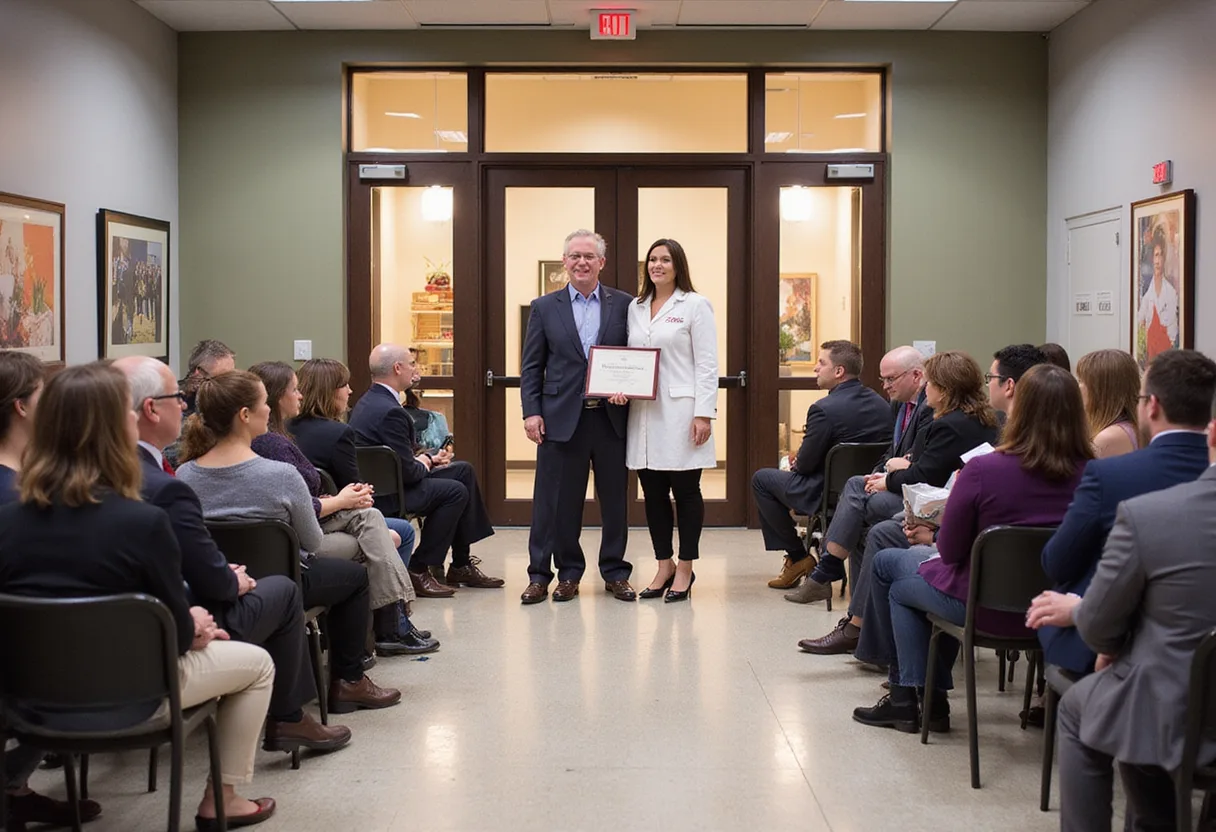
Clemson University has welcomed the inaugural class of veterinary students into its new Doctor of Veterinary Medicine program, marking the first time the South Carolina institution has enrolled students to train as veterinarians.
The announcement, published by Clemson News under the headline "History in the Making," confirms the university has moved from program approval to active enrollment — a transition only a small number of US veterinary colleges complete each decade.
What does a new veterinary college mean for the profession?
New DVM programs matter because US veterinary education capacity has long lagged demand. Each new cohort adds graduates who can enter companion-animal clinics, food-animal practice, and public-health roles such as regulatory medicine and food-safety inspection.
Clemson's entry expands the national pipeline at a time when rural and food-animal veterinary shortages remain a persistent workforce concern. Graduates of new programs typically take four years to reach licensure, meaning the earliest practice-level impact from this class would arrive after the students complete the full DVM curriculum.
Who are the inaugural students?
Clemson News describes the class as the university's first cohort of veterinary students, calling the moment "history in the making" for the institution. The university has not yet detailed class size, admissions statistics, or curriculum structure in the announcement available to The Vet Scope.
Those figures will matter to the profession. Class size determines how many new veterinarians the program adds to the national supply each year, and curriculum design signals whether the program emphasizes companion-animal medicine, production animal medicine, or mixed practice.
Why does the South Carolina location matter?
South Carolina has not previously been home to a veterinary college, making Clemson's program a first for the state. New veterinary schools in states without existing programs often aim to retain graduates locally — a pattern relevant to regions facing shortages in large-animal and rural practice.
For veterinary employers, the development adds a future hiring source in the Southeast. For prospective students, it adds another accredited training route, though accreditation status and graduation outcomes will determine the program's long-term standing.
What comes next?
Clemson will now carry this first class through the DVM curriculum. The veterinary education community will watch for the program's accreditation milestones, its first graduating class, and where those new veterinarians choose to practice.
Source: Google News: Veterinary medicine
Amara Osei
Show full bio
Correspondent covering companies, deals and strategy in Small- and large-animal clinical practice at The Vet Scope.
Related articles
Clemson veterinary medicine program welcomes first students
Clemson enrolls inaugural veterinary class, a first for South Carolina
Darla Moore Scholars of Veterinary Medicine Established at Clemson
UMES Veterinary School Nears First Applicant Pool for Summer Start
Arkansas State Opens Veterinary College, Seats First Class