AVMA's 200-Page Antimicrobial Stewardship Report Rebuilt Species by Species
The AVMA's second-edition stewardship report, published November 5, spans 200-plus pages and adds pathogen report cards with diagnostic and treatment considerations.
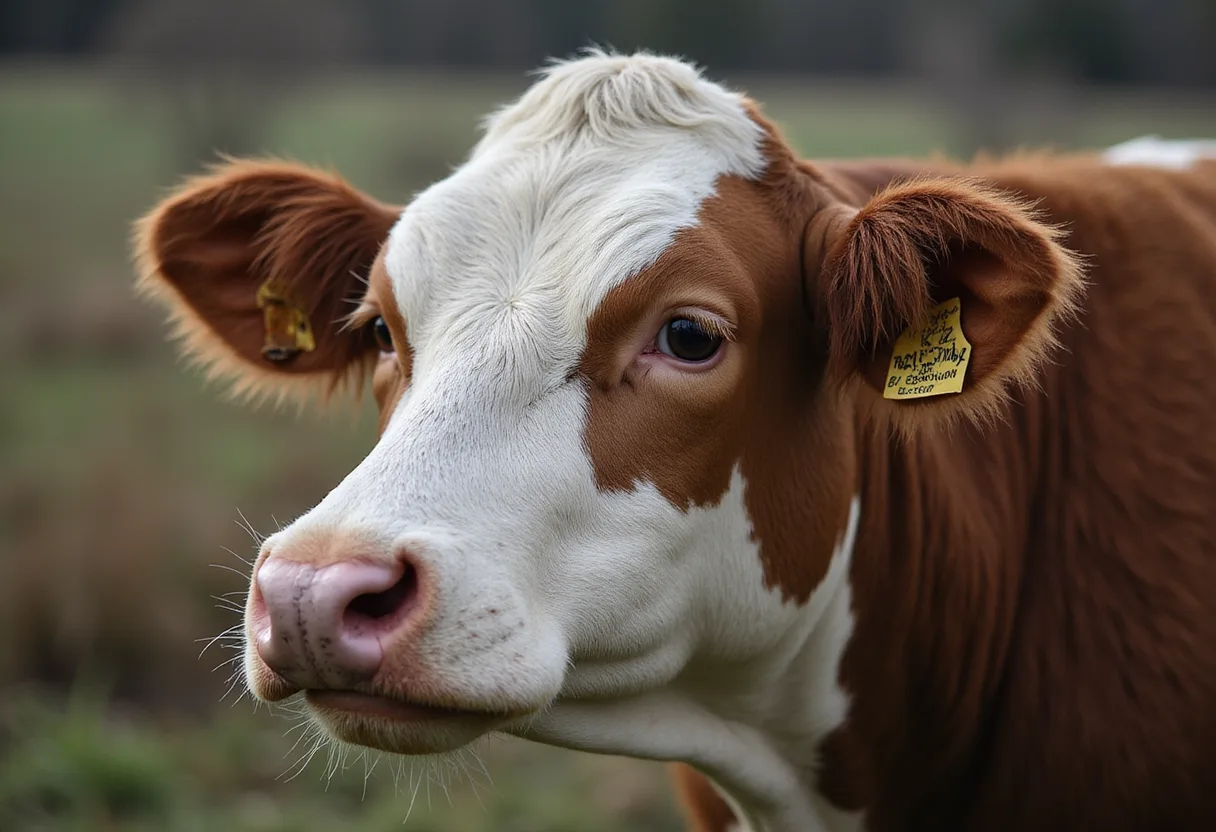
Photo: SportKlatka / pixabay
The AVMA published the second edition of Antimicrobial Stewardship and Pathogens Affecting Animal Health in the United States on November 5, a document of more than 200 pages that greatly expands the original 2020 report on antimicrobial-resistant pathogens.
Dr. Alexandra M. Medley, a veterinary epidemiologist and associate director for antimicrobial resistance in the CDC's Division of Foodborne, Waterborne, and Environmental Diseases, co-led the review and revisions. She presented an overview during the session "Safeguarding Animal Health Against Antimicrobial-Resistant Pathogens" on July 11 at AVMA Convention 2026 in Anaheim, California.
The report, authored by the AVMA Committee on Antimicrobials (CoA), covers dogs and cats, cattle, chickens and turkeys, equids, fish, sheep and goats, and swine.
Why the update matters at the exam table
Antimicrobial resistance is not static. Pathogens and resistance patterns across human and animal health evolve, and diagnostic capabilities and stewardship recommendations change with them.
The report's core shift, according to Dr. Medley: moving from identification to decision support. "The overall emphasis has really shifted from simply identifying or tracking resistant pathogens towards helping clinicians make those better stewardship decisions," she said.
She emphasized the report is not a treatment guideline. It provides practical stewardship information and resources veterinarians can incorporate into practice — and it is aimed beyond prescribers.
"This report is not just for the prescribers. It's for the whole veterinary team," Dr. Medley said. "It can be useful for … reinforcing infection prevention, supporting diagnostic sample collection, helping to explain culture and antimicrobial susceptibility testing to clients, recognizing when some resistant infections may require special handling, and supporting stewardship protocols within the clinic or hospital."
The document also includes actionable guidance for producers, breeders, and those seeking medical care for their animals.
What does the structure look like?
The report is divided into four major sections, each layer adding detail:
- An overview of antimicrobial resistance's impact on animal health in the U.S., with prevention and stewardship measures and resources to combat the threat.
- Host-species summaries of pathogens of concern, consequences of resistance, and stewardship actions for veterinarians.
- "Report cards" for each pathogen of concern, organized by host species and, in some sections, by production type. Each card includes essential information, preventive actions, resistance profiles, and — new for 2026 — diagnostic and treatment considerations.
- A technical appendix, significantly expanded and updated, providing scientific context: clinical and economic impact, prevalence, transmissibility, availability of effective drugs, barriers to prevention, and current actions.
The report has also been reformatted to improve navigation and includes additional educational resources and expanded discussions of susceptibility testing and diagnostic interpretation.
Where does the sheep example fit?
The report addresses concrete diagnostic gaps. Campylobacter jejuni, one of the primary drivers of infectious abortion in sheep, is highly resistant to tetracycline — possibly driven by use of chlortetracycline in feed to control Campylobacter abortion — and there are no labeled treatments for abortion storms associated with C jejuni.
Current susceptibility testing panels for C jejuni are designed for human health surveillance. The tested drugs do not accurately reflect specific treatment options for animals, and results are based on epidemiologic cut-off values, not clinical efficacy data in sheep, so veterinarians must interpret them cautiously.
How was it built?
Updating the report took broad collaboration. CoA members participated, including project co-leader Dr. Paul J. Plummer, along with dozens of individuals on species expert panels who conducted literature reviews to identify important bacterial pathogens in animals for which evidence suggests acquired antimicrobial resistance is increasing.
The authors also acknowledge the report's limits: variable laboratory methodologies, limited antimicrobial breakpoints for some species and pathogens, clinical versus microbiologic interpretation differences, and geographic variability in pathogen distribution.
"We hope that this report provides some context for the user. We must understand not only the lab results, but also the limitations behind that result and everything that's happening behind the scenes for when we get those results," Dr. Medley said. "Clinical judgement, whether it be your own or through clinical expert consultation, remains indispensable and primary."
The AVMA maintains a wider library of antimicrobial resources — policies, veterinarian guidance documents, and client education materials — that practices can pair with the new edition as stewardship programs take shape.
Source: AVMA News
Amara Osei
Show full bio
Correspondent covering companies, deals and strategy in Small- and large-animal clinical practice at The Vet Scope.
Related articles
Antimicrobial stewardship differs by species, CDC epidemiologist says
Nigeria, World Bank launch AMR initiative in livestock sector
Vaccines as a Route to Cutting Livestock Antimicrobial Use
Healthy Livestock Can Transmit Drug-Resistant Bacteria to Humans
EMA Publishes 2025 Veterinary Medicines Annual Report