Animal Justice Demands Rehoming Plan for Research Dogs at Fergus Facility
Ontario's January ban on invasive dog and cat research anchors protests at six facilities, with Animal Justice demanding a concrete plan to rehome all surviving research dogs.
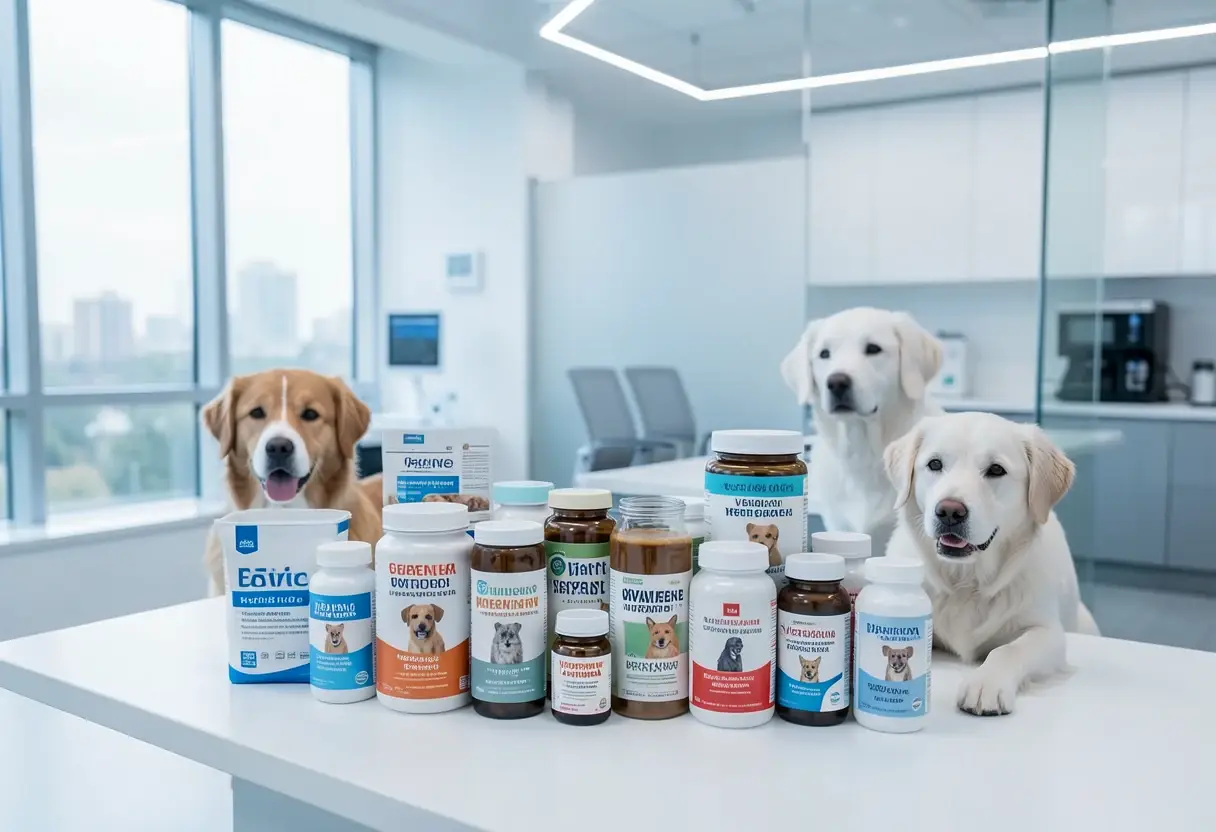
Photo: Kost9n4 / pixabay
Ontario's ban on invasive medical research on dogs and cats takes effect in January, and an animal welfare group is using that deadline to press six facilities across the province to rehome every surviving research animal.
Animal Justice, a not-for-profit that advocates for stronger legal protections for animals, has scheduled a protest for Sunday from 1 p.m. to 3 p.m. outside Transpharmation's facility at 8224 Sideroad 15 in Centre Wellington, just north of Fergus. A second protest is planned at the University of Guelph campus on Nov. 14 from 2 to 4 p.m.
What does the protest target?
The six Ontario facilities were chosen because Animal Justice believes they recently used cats or dogs in research. The Fergus-area site conducts medical research involving dogs, according to volunteer Kenzie Kirschner.
"A lot of people don't know it's happening in their backyard," Kirschner said. As regional mobilization lead, she will lead what she described as a peaceful protest: "We'll just peacefully hold signs with our requests."
In simple terms, that request is rehoming. Animal Justice wants any surviving dogs at Transpharmation placed in adoptive homes rather than euthanized when their research use ends.
Kirschner joined the organization after it helped expose cardiac research on dogs at St. Joseph's Hospital in her hometown of London, Ontario. That program has since ended. "I don't believe that any animal should be experimented on," she said.
Takeaway: The protest aims to convert the approaching legislative deadline into concrete rehoming commitments from each facility.
How has Transpharmation responded?
In a statement shared by email, Transpharmation emphasized that its dog research is veterinary research — one of the exceptions allowed under the new legislation.
The company said its veterinary and rodent-based pharmaceutical research has developed new treatments for osteoarthritis, dermatological and neurological disease in both people and animals. "This demonstrates the ongoing importance of the work we do to support veterinary medicine and care for pet dogs and cats," the statement said.
Transpharmation also noted:
- Animal research in Canada is closely regulated, and its facilities comply with applicable requirements.
- The company acknowledges and welcomes the changes under Ontario's Bill 75.
- It has reviewed requirements coming into force on 1 January 2027 and is committed to keeping its Ontario operations fully compliant.
The company defended the work itself, pointing to regulatory reality: regulators still require animal data before new medicines can be tested on pets and people. "Until that changes, this work must be carried out, and we believe it should be done to the highest standards in Canada," the statement said.
On rehoming, Transpharmation said a small number of its dogs retire from research each year and are typically rehomed through adoption — a fact it says was already communicated to Animal Justice.
Takeaway: The company frames its dog studies as exempt veterinary research and points to existing adoption practice for retired animals.
Is a partial rehoming policy enough?
Not for Animal Justice. Mobilization manager Nives Ilic said the organization believes Transpharmation will be affected by the new legislation regardless of the veterinary-research exemption, and it wants more than a statement.
"We're really looking for a concrete plan to rehome all surviving dogs," Ilic said.
The gap between the two positions is scope: Transpharmation describes routine adoption for a small number of retiring dogs each year, while Animal Justice demands a formal commitment covering every animal affected by the legislative change.
Takeaway: The dispute now turns on whether a standing practice satisfies the demand for a comprehensive, documented plan.
What about the University of Guelph?
The university, also on Animal Justice's target list, said its current research already complies with the amended legislation.
"The University of Guelph continues to use animals in teaching and research, primarily to advance veterinary care and animal health," the statement said. "Most dogs involved are family pets whose owners voluntarily consent to their participation and who return home afterward."
In response to Animal Justice's rehoming request, the university said it already has practices in place to return dogs to their owners or place them in carefully selected adoptive homes.
Takeaway: Guelph's reliance on owner-consented pet dogs leaves little for a rehoming campaign to change.
What happens next?
The January effective date for Ontario's prohibition on invasive medical research on dogs and cats anchors the timeline, with Bill 75 requirements phasing in through 1 January 2027. How Transpharmation and the other targeted facilities respond — with published rehoming plans or continued reliance on the veterinary-research exemption — will shape both the protests' outcome and the practical fate of the surviving research dogs.
Source: Google News: Veterinary medicine
Elena Vasquez
Show full bio
Market editor covering money, funding and market shifts around Small- and large-animal clinical practice at The Vet Scope.
Related articles
Canine bone cancer pain drug clears hurdle for FDA conditional approval
CDC warns 'rhino tranq' is spreading in illicit fentanyl supply
Veterinarians Weigh Red Light Therapy Claims for Dogs and Cats
U.K. Discarded-Drug Poisonings in Dogs Climb 87% Since 2021
Minnesota enacts law permitting donation of unused veterinary drugs