Minnesota enacts law permitting donation of unused veterinary drugs
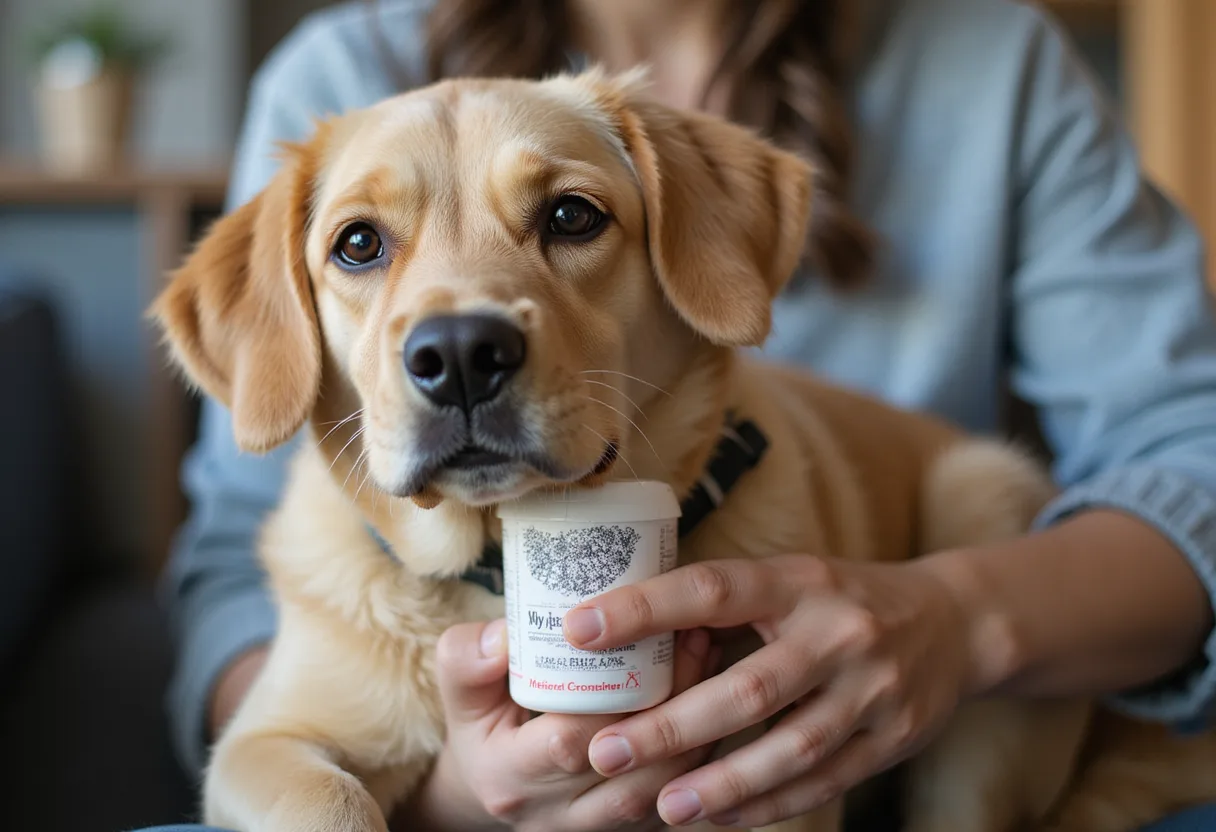
Minnesota enacted a new law permitting veterinarians and pet owners to donate sealed, unexpired veterinary drugs to animals in need, CBS News reported. The statute opens a redistribution pathway previously restricted by state pharmacy and veterinary practice acts.
Updated
Minnesota enacted a new law permitting the donation of unused, unexpired veterinary drugs to animals in need, CBS News reported. The statute creates a redistribution pathway for sealed medications that clinics and pet owners currently must destroy.
The Minnesota framework addresses a recurring problem in veterinary practice: legally obtained, properly stored medications that owners surrender when patients die or change treatment plans. Other states have established drug donation programs that serve shelters, rescue operations and households facing financial barriers to care.
What does the law change?
Minnesota veterinarians and pet owners previously operated under state pharmacy and veterinary practice acts that restricted the transfer of pharmaceuticals to third parties. Clinics treating chronic-disease patients on long-term seizure medications, cardiac drugs or insulin regimens accumulated sealed stock that could not be redispensed under prior law. The new statute provides a legal pathway for redistribution within state borders, according to the CBS News report.
The CBS News headline did not specify which drug schedules fall within the framework, whether controlled substances are included, the donation infrastructure required, or the effective date.
Who benefits?
Three groups emerge as primary participants in veterinary drug donation programs.
Shelters and rescue organizations, which operate on limited budgets and treat animals surrendered without continuing prescriptions, represent the demand side.
Veterinary practices, particularly small and mixed-animal clinics managing chronic medication inventories, represent the supply side.
Low-income households whose animals require ongoing therapy represent the population that ultimately receives the medication.
Food animal producers, equine operations and exotic animal keepers typically fall outside companion-animal donation schemes because of species-specific drug approval, residue concerns and the regulatory authority of the FDA Center for Veterinary Medicine and USDA over production-animal pharmaceuticals. The CBS News headline did not address those sectors.
What practice managers should verify
Veterinary teams in Minnesota should not redistribute existing inventory under the new statute until they confirm implementation parameters with the Minnesota Board of Veterinary Medicine and the Minnesota Board of Pharmacy.
Those parameters include the drug schedules included, whether controlled substances fall within the framework, the documentation required at transfer, and the registered intermediaries permitted to handle the stock. The CBS News headline did not specify those details.
Practitioners should also consult malpractice carriers regarding liability transfer at the point of donation. Practices must confirm seal integrity, expiration dates and storage conditions for any surrendered stock before any transfer.
A forward look
Veterinary drug donation programs have appeared in state legislatures as shelter medicine matured as a clinical discipline and as practice economics tightened. Minnesota's approach, reported by CBS News, will draw scrutiny from veterinary associations, state pharmacy boards and animal welfare organizations as implementing rules emerge.
Practitioners and welfare administrators seeking covered drug classes, donation intermediary requirements and the statute's effective date should consult the Minnesota legislature's published bill text and the state veterinary board's implementing regulations.
Source: Google News: Veterinary drugs
Nathan Brooks
Show full bio
Senior reporter covering companies, deals and strategy in Small- and large-animal clinical practice at The Vet Scope.
Related articles
Minnesota passes law permitting donation of unused veterinary drugs
New State Law Lets Pet Owners Donate Unused Medicine to Animals in Need
Iowa Vet Board Finds Unlawful Dispensing, Probe Obstruction
US Launches Pilot Program to Boost Domestic Veterinary Drug Production
Two Charged After Drug Theft from Farmington Veterinary Clinic