Animal Health Industry Voices Support as Screwworm Crisis Deepens
Animal health leaders reaffirm support for the screwworm response as the parasite's spread strains regional veterinary systems, livestock trade, and eradication logistics across affected regions.
Updated
Animal health industry leaders have publicly reaffirmed their support for the ongoing response to the New World screwworm crisis, a commitment that signals continued private-sector backing for eradication and surveillance work at a moment when the parasite's spread has regional veterinary services stretched thin.
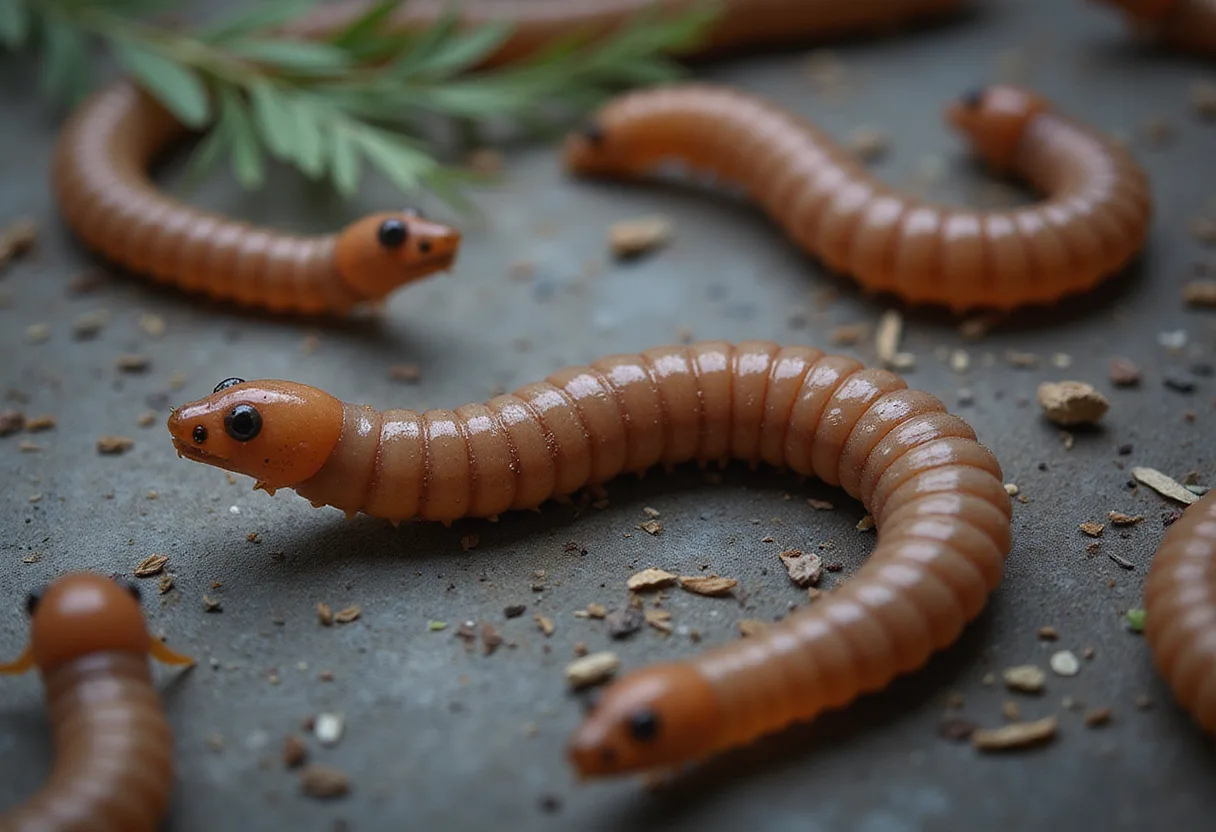
The reaffirmation, reported by AGDAILY, matters because screwworm control is not a job any single clinic, producer, or agency can do alone. The pest's biology makes coordination the whole game. Screwworm fly larvae feed on the living tissue of warm-blooded animals, infesting open wounds — castration sites, dehorning wounds, navels of newborns, tick bites. A single untreated wound can become a fatal infestation within days. That mechanism is what turns a livestock health problem into an economic and animal-welfare emergency simultaneously.
What does industry support actually mean in practice?
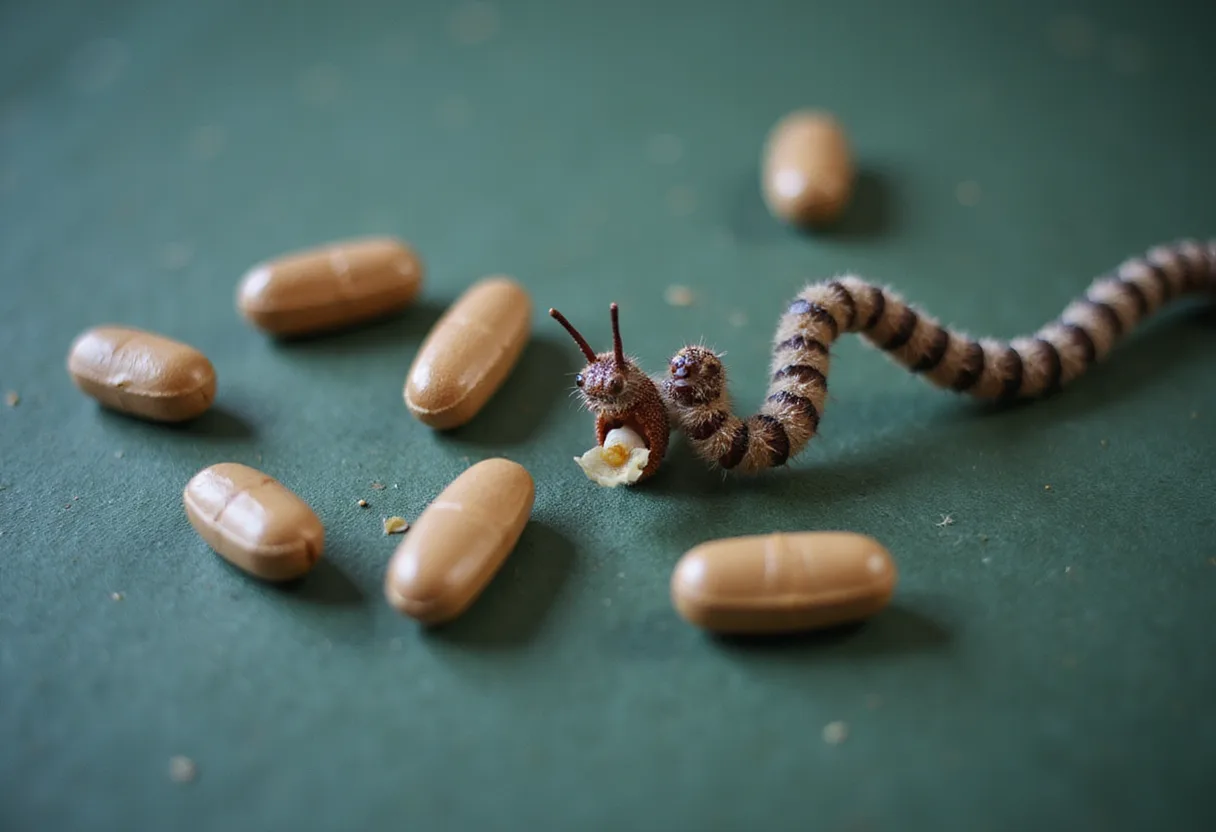
For practicing veterinarians and producers, sector-level support translates into several concrete channels. Companies and trade leaders in the animal health space typically contribute through diagnostics capacity, treatment supply, and technical expertise that supports government-led eradication programs. The historical backbone of screwworm control — the sterile insect technique, in which irradiated male flies are released to collapse the wild population — depends on sustained funding and logistics that industry voices can help stabilize politically and financially.
The context for the renewed statements is a crisis that has already forced hard decisions in North American livestock trade. Screwworm's return to Central America and its northward advance prompted the United States in late 2024 to suspend imports of live cattle from Mexico, a halt that rippled through supply chains and fed markets. Each step of the parasite's spread raises the cost of the response and the stakes of any gap in surveillance.
Which species and stakeholders carry the risk?
The burden falls unevenly across animal populations. Cattle bear the heaviest production impact; infestations reduce weight gain, damage hides, and kill untreated animals. Livestock producers in affected regions face direct losses and the expense of wound checks and treatment. Companion animals and wildlife are also susceptible, since the fly does not discriminate by host — any open wound on any warm-blooded animal is a potential site. That breadth is precisely why public-health and regulatory veterinarians track the outbreak alongside livestock officials.
For the food-animal sector, the practical exam-table and barn-side implications are straightforward. Producers in or near affected zones need to inspect livestock daily for wounds, treat and cover any break in skin immediately, and report suspected cases rather than manage them quietly, because case reporting drives the release zones for sterile flies.
What comes next?
The industry's reiterated support suggests the response will continue to draw on combined public and private resources rather than shifting the burden solely to government agencies. How effectively that support converts into maintained sterile-fly production, border coordination, and producer compliance will shape whether the outbreak is contained at its current front or advances further north in the coming seasons.
Source: Google News: Animal health industry
Grace Kim
Show full bio
Staff writer covering regulation, policy and their impact on Small- and large-animal clinical practice at The Vet Scope.