Wisconsin PEDV Pilot May Become a National Swine Health Model
Wisconsin has begun a pilot program against porcine epidemic diarrhea virus, and state animal health officials are positioning the effort as a template other pork-producing states could adopt.
Updated
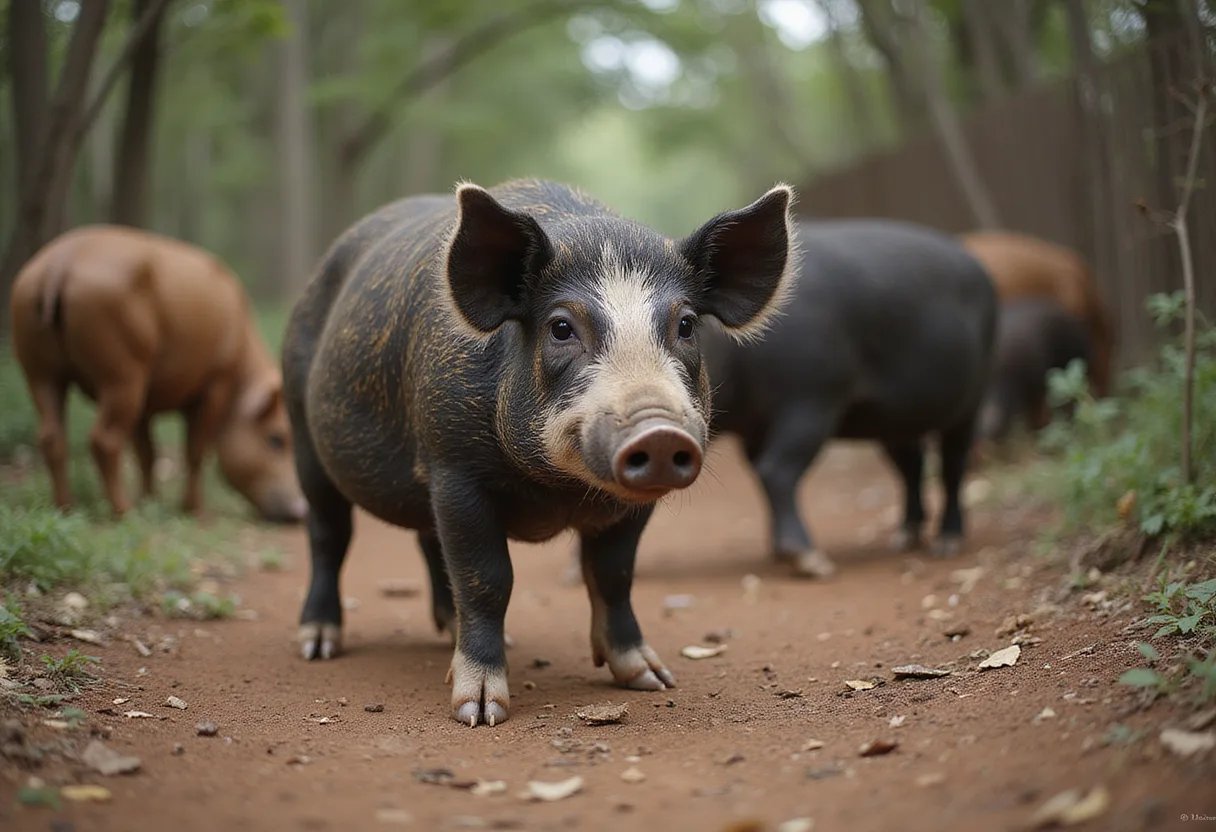
Photo: alandsmann / pixabay
Wisconsin has begun a pilot program against porcine epidemic diarrhea virus, and state animal health officials are positioning the effort as a template other pork-producing states could adopt, National Hog Farmer reported.
The pilot arrives roughly a decade after PEDV first appeared in the United States, where it triggered industry-wide losses and reshaped on-farm biosecurity standards. Wisconsin sits among the larger U.S. pork-producing states by breeding-herd size, a scale that gives any state-level intervention meaningful reach within the regional supply chain.
What does the pilot address?
Porcine epidemic diarrhea virus produces severe vomiting and watery diarrhea in pigs of every life stage. Mortality in neonatal piglets can approach 100 percent in herds without prior exposure, a clinical profile that has driven the heaviest documented financial losses tied to the disease. Older pigs generally survive but shed virus for extended periods, complicating elimination.
Transmission occurs by the fecal-oral route. Investigations following the 2013 U.S. introduction identified contaminated livestock trailers, market collection points, and feed ingredients as recurring mechanical vectors between sites. Those findings pushed producers toward wash-and-bake protocols for transport vehicles, restricted-access load-out bays, and tighter ingredient sourcing standards, though compliance remains uneven across smaller operations.
Why does the Wisconsin model draw attention?
State-administered disease programs tend to attract interest when they consolidate surveillance, response, and producer outreach under a single authority rather than dispersing those functions across federal, state, and industry channels. Wisconsin's agriculture department has historically coordinated with USDA on pseudorabies eradication and on African swine fever preparedness, two campaigns that required sustained producer enrollment.
A PEDV-specific pilot carries similar demands: participation by a meaningful share of the state's breeding sites, defined reporting timelines, and laboratory capacity to confirm positive cases through polymerase chain reaction testing. National Hog Farmer's framing of the program as a potential model suggests the state intends to publish protocols that other jurisdictions could adapt, rather than treating the work as a closed internal exercise.
What changes for practitioners and producers?
The practical effect will depend on the pilot's specific reporting and biosecurity requirements. Producers carrying PEDV-positive sites would expect closer veterinary oversight, defined movement restrictions on pigs and trailers, and documentation requirements that align with USDA traceability standards already in place for breeding stock.
For swine veterinarians, the most visible change would likely be expanded diagnostic submissions, since state programs typically require confirmatory testing before quarantines or movement controls take effect. The Wisconsin Veterinary Diagnostic Laboratory and the University of Minnesota Veterinary Diagnostic Laboratory already run the bulk of regional PEDV polymerase chain reaction work.
What comes next?
The pilot's value as a model will hinge on the data Wisconsin publishes after its first production cycle. If the state releases protocol language, case counts, and producer compliance metrics, pork-producing jurisdictions in the Midwest and Southeast will have a measurable benchmark. If the program stays narrow, the headline will remain aspirational.
Source: Google News: Livestock health
Nathan Brooks
Show full bio
Senior reporter covering companies, deals and strategy in Small- and large-animal clinical practice at The Vet Scope.
Related articles
Indiana Pork broadens disease prevention via advisory committee
Caribbean Nations Step Up African Swine Fever Preparedness
BMJ Review Maps Disease Risks in Traditional Live-Animal Markets
New PREVENT Forum Targets Stronger Livestock Disease Defense
APHA alerts pig vets to emerging disease tied to new virus variant