Volunteer Veterinary Response and a New Wildlife Hospital Reshape Care in Australia
A volunteer group with 14 licensed darters covers all-species rescue in Melbourne, and Western Australia's south-west opens its first dedicated wildlife hospital amid H5 concerns.
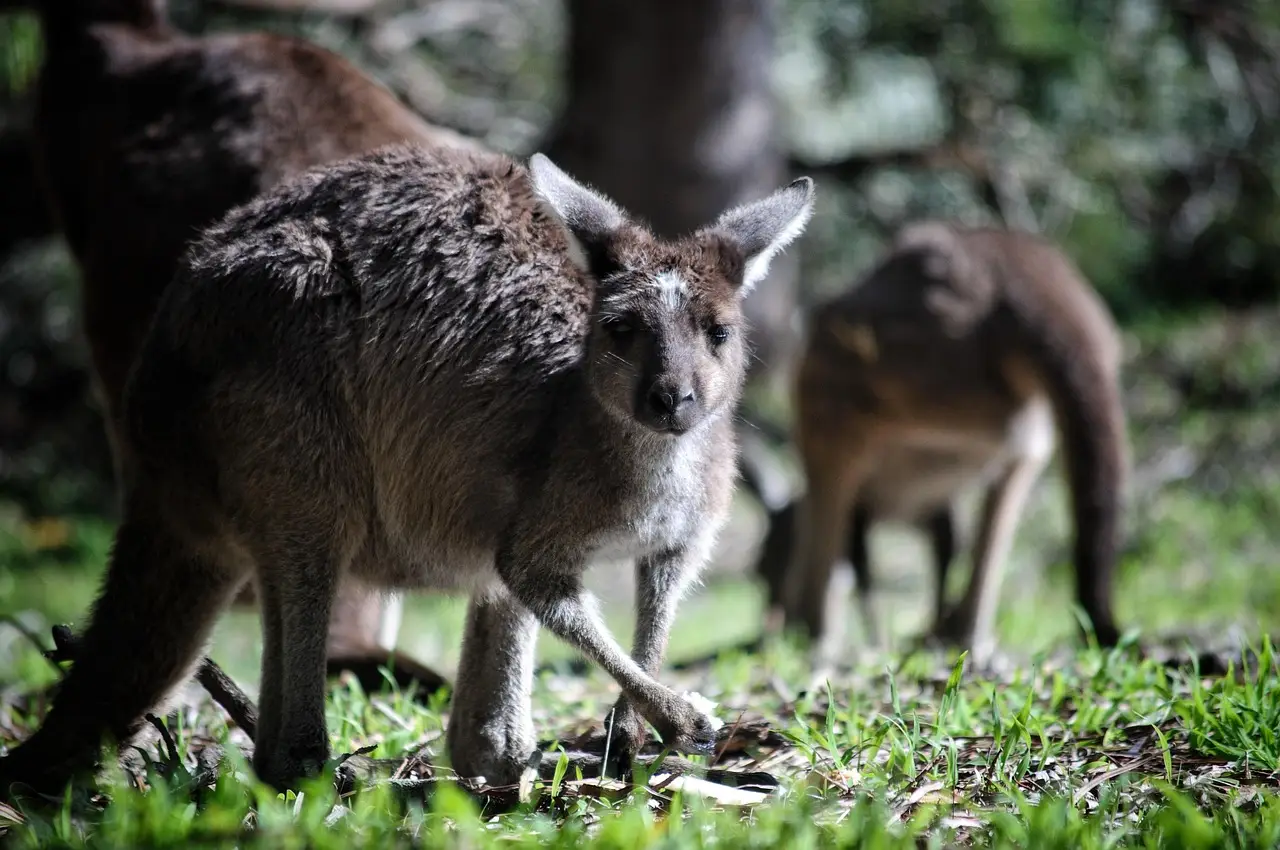
Photo: TerriAnneAllen / pixabay
A volunteer veterinary organization with 14 licensed darters on its roster responds daily to injured and displaced animals across Melbourne, while Western Australia's south-west region has opened its first dedicated wildlife hospital, spanning service territory from Bunbury to Denmark.
Both developments, reported by dvm360, point to the same pressure point: veterinary capacity for wildlife and disaster response in Australia remains thin, and volunteer and charitable structures are filling the gap.
Who are Vets for Compassion?
Vets for Compassion is a charitable organization of volunteer veterinarians, veterinary technicians, and animal rescuers based primarily in Melbourne. Founded in 2016 by Elaine Ong, AM, BVSc, the group provides urgent humane rescue services and on-the-ground veterinary care for stray, displaced, or injured wildlife, companion animals, and livestock. It also deploys during natural disasters in Victoria, supporting local and government responders.
"Our entire team are volunteers, and we have teams of field emergency responders—including 14 people with dart gun licenses—and every day across Melbourne and beyond, we respond to all species and specialize in the humane capture of large animals that are injured or displaced, such as kangaroos, deer, and farm animals," Ong told dvm360.
The organization's disaster record is concrete. Its trained emergency team of veterinarians, veterinary technicians, rescuers, and experienced darters was first on scene at the Mallacoota bushfires in 2020, assisted the New South Wales Government at the Lismore floods in 2022, and has attended every bushfire in Victoria since the group formed.
Ong built the organization on earlier field experience. With veterinarians and veterinary nurses from her clinic, Balwyn Central Veterinary Hospital, she ran teaching and dog and cat sterilization programs in Bali and bushfire response work for wildlife in Victoria from 2007 onward. Her team also did veterinary volunteer work during the 2004 tsunami in Sri Lanka and, in 2009, co-founded the Train the Trainer Project in China with the international nonprofit Action for Compassion, training vets in anesthetics, pain relief, desexing surgery, and animal welfare work.
Three of her clients encouraged her to found Vets for Compassion in 2016. Recognition followed: the University of Melbourne awarded Ong its Belle Reid Medal in 2009 for contributions to animal welfare, and in 2023 she received the Member of the Order of Australia Medal for animal rescue work during disasters in Victoria and New South Wales.
Ong described Vets for Compassion as the only veterinary organization in Victoria with humane capture capabilities that responds to all species — native wildlife, companion animals, and farm animals. She and her husband Chris train new darters from inside and outside the organization and share skills and resources with other groups.
What does the Margaret River Wildlife Hospital change?
The Margaret River Wildlife Hospital is the first dedicated wildlife hospital in Western Australia's south-west, a global biodiversity hotspot. It is a partnership between two organizations, WA Wildlife and Wildlife Recovery Australia.
Meg Rodgers, BSc, BVMS, MVS, chief veterinary officer at WA Wildlife, outlined the facility: a dedicated surgery, treatment area, consultation rooms, wildlife triage and intake areas, and facilities for holding and monitoring patients. Veterinary and veterinary nursing staff will be available every day, serving wildlife rehabilitators across the region, animals presented by the public and rescue organizations, and patients arriving through a hospital-run transport service.
Once veterinary care is complete, animals move to experienced local rehabilitators for the next stage of recovery.
Why did the two organizations join forces?
The collaboration began when Wildlife Recovery Australia's mobile wildlife hospital, Matilda, was in Western Australia on a national tour as Tropical Cyclone Narelle struck the state. The two teams worked the wildlife response together, and their CEOs — Dean Huxley of WA Wildlife and Stephen Van Mil of Wildlife Recovery Australia — found both organizations had been working toward the same goal: improving regional capacity for wildlife medicine.
Rodgers said a significant gap existed in wildlife veterinary capacity in the south-west. The detection of H5 avian influenza in Western Australia earlier in 2026 made the need more pressing, and sector consultation during the response highlighted how limited the region's veterinary infrastructure for wildlife was.
The hospital adds biosecurity capability alongside clinical care. It can triage, test, quarantine, and, where required, perform humane euthanasia, and it can contribute to government disease surveillance through sampling and reporting of disease patterns in wildlife.
Rodgers emphasized the facility is not solely an H5 bird flu operation. It will continue treating the broader wildlife caseload during any response, supporting rehabilitators and local placement.
The two organizations funded the hospital through joint grant applications, sponsorship requests, and business development strategies.
For practitioners, the lesson is structural: volunteer networks and dedicated wildlife infrastructure are now central to disaster response and zoonotic disease surveillance in Australia, and both models depend on veterinary skills outside conventional practice walls.
Source: Google News: Veterinary medicine
Daniel Okafor
Show full bio
News editor covering technology and product news in Small- and large-animal clinical practice at The Vet Scope.