USDA Licenses 75-Day Monoclonal Antibody for Canine Allergic Dermatitis
USDA licenses Zoetis' Cytopoint Plus, a 75-day monoclonal antibody for canine allergic itch — the longest interval of any licensed mAb for allergic dermatitis.
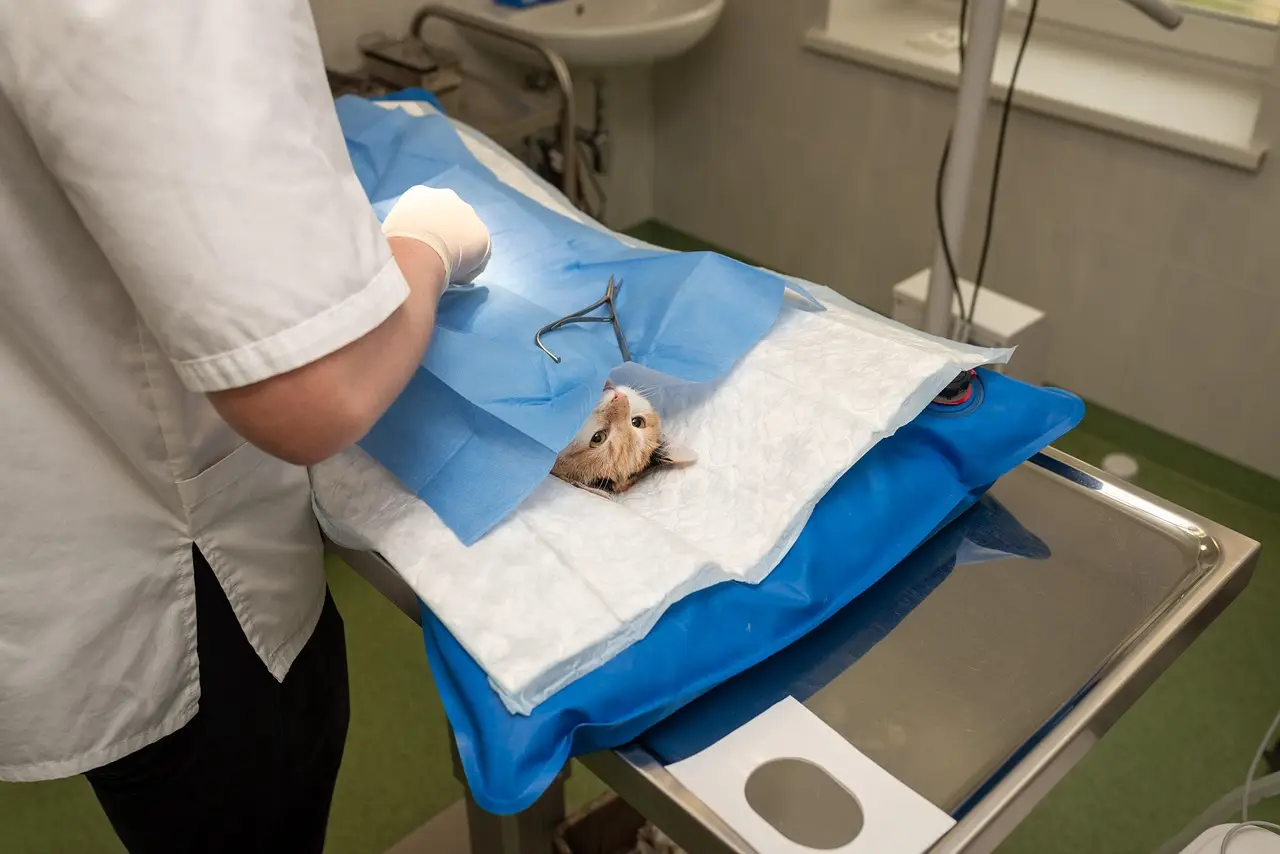
Photo: 13228026 / pixabay
The USDA has licensed Cytopoint Plus, a Zoetis monoclonal antibody for allergic dermatitis in dogs that a veterinary professional administers once every 75 days — the longest licensed dosing interval for any monoclonal antibody in this indication, Zoetis announced on November 11, 2026.
For comparison, the company's original anti–interleukin 31 (IL-31) monoclonal antibody, lokivetmab (Cytopoint), requires injection every 4 to 8 weeks. That difference converts to roughly five clinic visits per year instead of seven or more for a dog on continuous therapy.
What does the license cover?
Cytopoint Plus was developed from Cytopoint with an enhanced duration of action and works the same way: it targets and neutralizes IL-31, the cytokine driving allergic itch. A veterinarian or veterinary technician gives it subcutaneously every 75 days as needed, and Zoetis reports the product starts relieving allergic itch within 1 day.
In the studies supporting licensure, Cytopoint Plus demonstrated efficacy through day 75 and showed a safety profile similar to that of Cytopoint, according to Zoetis. Reduced itch scores compared with controls persisted through day 90 in some dogs. Zoetis attributes these findings to company data on file and directs practitioners to the USDA's product data site for full efficacy and safety information.
One difference matters at the exam table. Cytopoint Plus carries an indication for the treatment of dogs experiencing allergic dermatitis, while the original Cytopoint indication covers both allergic dermatitis and atopic dermatitis. Clinicians managing formally diagnosed atopic dogs should note the narrower label of the newer product.
Why the longer interval matters
Zoetis frames the 75-day interval as an adherence solution. Frequent clinic visits for injectable therapies, the company argues, may result in missed appointments, missed doses, and preventable flare-ups.
Lindsay McKay, DVM, DACVD, of Animal Dermatology Group, said in the release that frequent visits can create scheduling hurdles for clients, which may contribute to missed treatments.
Cost is a second consideration, particularly for owners of larger dogs, according to Tiffany Tapp, DVM, DACVD, of Veterinary Healing Arts. Tapp said in the release that a longer gap between injections may make ongoing care more manageable and potentially more affordable for some families. She described the product as "another option to consider when developing an individualized treatment plan."
How does it fit the current regulatory picture?
The license is the second recent regulatory decision for a Zoetis product in canine skin disease. On October 20, 2026, the FDA approved a ready-to-use, higher-concentration cefovecin injectable suspension (Convenia RTU for Dogs) for secondary superficial pyoderma, abscesses, and wounds caused by susceptible strains of 2 bacterial species.
The Cytopoint Plus license also lands weeks after the International Committee on Allergic Diseases of Animals published its first major update to canine atopic dermatitis treatment recommendations since 2015. That update gave lokivetmab an A-level recommendation for both flares and maintenance, especially in dogs whose primary problem is pruritus.
The guideline authors cautioned, however, that lokivetmab's activity is likely narrow spectrum, and dogs with chronic lesions, otitis, or pododermatitis will benefit from additional therapy. Those guidelines were published before the Cytopoint Plus license was announced, so they do not address the newer product directly.
What changes in practice?
For companion-animal practitioners, Cytopoint Plus offers a same-mechanism alternative with roughly half the visit burden of the original, a labeling distinction on atopic dermatitis, and study efficacy through day 75. The product has no food-animal or direct public-health implications; it is a companion-animal therapeutic licensed by the USDA.
Practices should expect client conversations about whether the longer interval offsets dosing costs for their dog's weight, and dermatologists will likely position it within individualized plans alongside the additional therapies the new ICADA guidelines recommend for dogs with complicating lesions.
Source: dvm360.com
Amara Osei
Show full bio
Correspondent covering companies, deals and strategy in Small- and large-animal clinical practice at The Vet Scope.
Related articles
Three New Antiallergy Drugs Reshape Canine Atopic Dermatitis Care
Zoetis launches Lenivia for canine osteoarthritis in Great Britain
Canine Atopic Dermatitis Guidelines Rewritten for First Time Since 2015
FDA Authorizes Fluralaner Chewables for New World Screwworm in Dogs
FDA Issues First-Ever Emergency Use Authorization for Screwworm Drug in Dogs