Unlicensed Nashville man charged with impersonating veterinarian after DEA raid
Police say at least seven dogs and cats suffered adverse outcomes after procedures by Prashant Pandya, 45, who failed Tennessee's veterinary licensing exams but wore a coat reading "Dr. P.F. Pandya DVM."
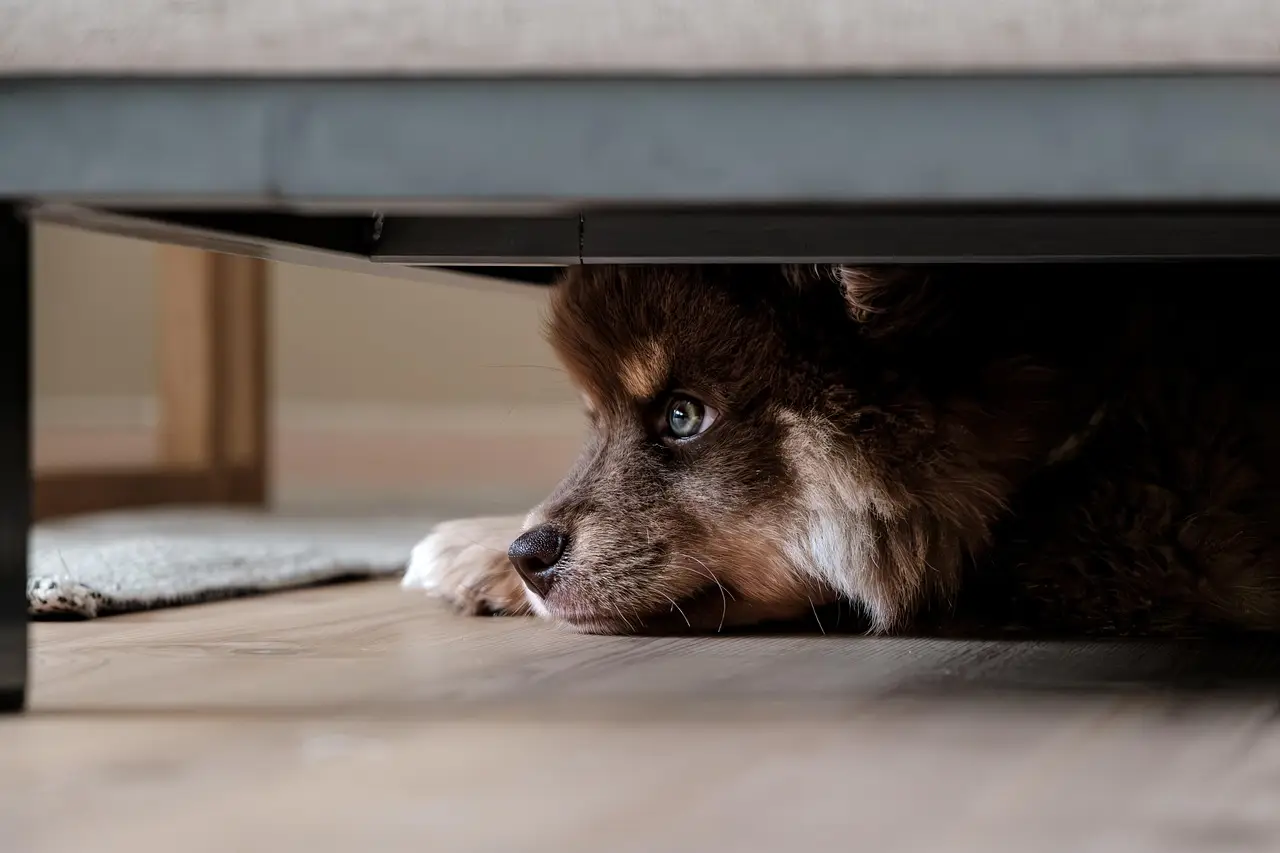
Photo: Bru-nO / pixabay
A 45-year-old Nashville man faces a felony charge of impersonating a veterinarian after Metro Nashville Police, the District Attorney's Office and DEA agents executed a search warrant at Caudle Veterinary Clinic on Gallatin Pike.
Police identified the defendant as Prashant Pandya. In a release issued Tuesday, MNPD said the charge is the felony offense of practicing veterinary medicine while unlicensed, presented to the public as impersonating a veterinarian. Additional charges are anticipated as the investigation continues.
What do investigators allege happened?
The investigation began in September, MNPD said, conducted jointly with the District Attorney's Office and the Drug Enforcement Administration. Pet owners had complained of taking dogs and cats to the clinic for procedures that ended in what police describe as "adverse outcomes."
At least seven such instances were reported between August 2025 and September of this year.
Investigators concluded that Pandya has never held a veterinary license in Tennessee. He did apply for one, police said, but failed the required examinations.
Despite that, MNPD said, Pandya was presenting himself as a Doctor of Veterinary Medicine — wearing a white coat displaying the title "Dr. P.F. Pandya DVM."
The takeaway: a person who failed the licensing examination allegedly carried out clinical procedures on companion animals under an assumed professional title.
How did the case surface?
The raid follows a September WSMV report in which a Nashville pet owner said her dog died hours after surgery at Caudle Veterinary Clinic. She told the station she had searched Tennessee's license-verification website and found no record for the person she believed performed the procedure.
That single owner-led check appears to have preceded the formal complaint-driven investigation involving three agencies.
Why is the DEA involved?
Police confirmed DEA agents participated in the search alongside detectives and representatives from the District Attorney's Office. The involvement of federal drug enforcement personnel signals the investigation extends to controlled-substance handling at the clinic, a point practitioners will recognize as a distinct compliance exposure from the impersonation charge itself.
MNPD confirmed an arrest but released details in stages, with the felony charge announced in the Tuesday release.
What does this mean for the profession?
For licensed practitioners, the case underscores a practical vulnerability: a client with a smartphone and access to a state license-verification portal can test any clinician's credentials in minutes. Clinics that employ or contract practitioners owe the same scrutiny internally, because a failed applicant presenting himself as a DVM reportedly operated inside a practice for more than a year before charges were filed.
Seven documented adverse outcomes across dogs and cats, police say, occurred within that window.
The one-sentence lesson: verify licensure before the client does.
What comes next?
Police say additional charges are anticipated as the investigation continues, and the District Attorney's Office and DEA remain involved in the case.
Source: Google News: Veterinary medicine
Elena Vasquez
Show full bio
Market editor covering money, funding and market shifts around Small- and large-animal clinical practice at The Vet Scope.
Related articles
Nashville Clinic Worker Charged With Practicing Veterinary Medicine Without a License
Nashville Man Charged With Felony After Practicing as Unlicensed Veterinarian
Unlicensed Man Arrested for Practicing Veterinary Medicine in Nashville
Unlicensed East Nashville veterinarian bonded out on felony charge
Two Dog Deaths Place Nashville Vet Clinic Under Criminal Investigation