UC Davis Opens Brain Tumor Center Treating Both People and Pets
UC Davis has launched a brain tumor center treating both human and veterinary patients, formalizing comparative neuro-oncology under one roof on its California campus.
Updated
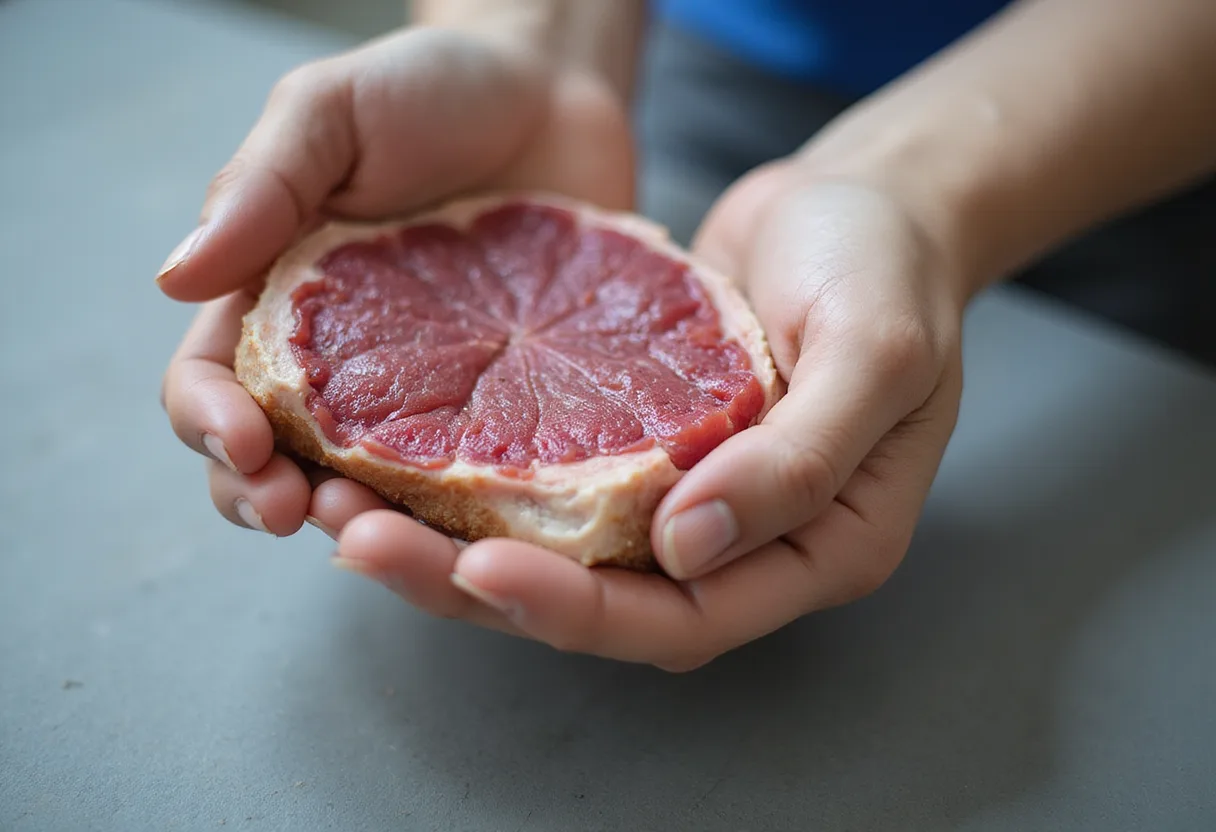
Photo: AI-generated
UC Davis has launched a brain tumor center that will treat both human and veterinary patients, positioning the university's Davis, California, campus as a single site where comparative oncology moves from research concept to clinical practice.
The center brings together physicians and veterinarians under one administrative structure. Human neuro-oncology cases and animal patients with spontaneous brain tumors will be managed in parallel, allowing clinicians on both sides to observe how the same disease behaves across species and how candidate therapies perform in real patients rather than only in laboratory models.
That design matters at the exam table. Dogs develop spontaneous gliomas and meningiomas with histologic and molecular features that closely mirror their human counterparts — a long-standing motivation for comparative neuro-oncology programs at academic veterinary centers. A shared center formalizes what has typically required case-by-case collaboration between separate human and veterinary hospitals: coordinated tissue banking, shared imaging protocols, and a referral pathway that lets veterinary neurologists route suitable canine patients into trials they could not access alone.
For companion-animal practice, the immediate practical effect is referral options. Owners of dogs diagnosed with intracranial masses now have a structured pathway to investigational therapies at a university center, rather than a fragmented search for trials scattered across institutions. General practitioners and veterinary neurologists in Northern California and beyond gain a defined destination for glioma and meningioma cases that exceed the diagnostic and therapeutic reach of private practice.
For human medicine, the center creates an additional translational engine. Spontaneous tumors in pet dogs compress the timeline between laboratory discovery and human application, because canine patients develop disease naturally, share environmental exposures with their owners, and age on a faster clock than people. Data generated in veterinary cohorts can inform which agents justify human trials, and which fail early enough to save years of development cost.
The two-species structure also carries public-health weight. Brain tumors remain among the most difficult malignancies to treat in both species, and the economics of drug development for central nervous system cancers have slowed progress for decades. Comparative programs of this kind aim to change that arithmetic: more patients enrolled across species, more tumor samples banked, more candidate therapies tested against spontaneous disease rather than implanted models.
The University of California, Davis, is well positioned for the model. Its veterinary medical teaching hospital already handles one of the largest caseloads of any academic veterinary center in the country, and the main campus houses a human medical complex, placing both patient populations within a short distance of shared researchers, imaging infrastructure, and pathology services.
Institutional centers of this kind typically begin with a defined set of offerings: clinical trials open to both species, a tissue repository, and coordinated tumor boards where physicians and veterinarians review cases together. As the center matures, its organizers will face the operational questions that comparative programs everywhere confront — how to harmonize consent and enrollment standards across species, how to sequence trials so veterinary data can credibly support human regulatory submissions, and how to sustain funding across the human-animal funding divide.
Clinicians on both sides of that divide will watch how the Davis center answers them. If the model delivers coordinated trials and a steady flow of comparative data, it could offer a template other university veterinary hospitals can replicate with their adjacent medical centers — expanding access to investigational care for animal patients while accelerating the pipeline of brain tumor therapies for people.
Source: Google News: Veterinary medicine
Grace Kim
Show full bio
Staff writer covering regulation, policy and their impact on Small- and large-animal clinical practice at The Vet Scope.
Related articles
UC Davis Opens Center Targeting Brain Tumors in People and Pets
Midwest Dogs Gain Customized Care at Purdue's Werling Center
Brazilian Veterinary Oncologists Release Consensus on Canine Sarcoma
CSU Veterinary Program Wins $3 Million for Rare Parkinson's Variant Research
UC Davis revives small animal rotating internship after 45 years