CSU Veterinary Program Wins $3 Million for Rare Parkinson's Variant Research
Colorado State University's veterinary program has landed $3 million to study a rare Parkinson's disease variant, extending comparative veterinary science into human neurodegenerative research.
Updated
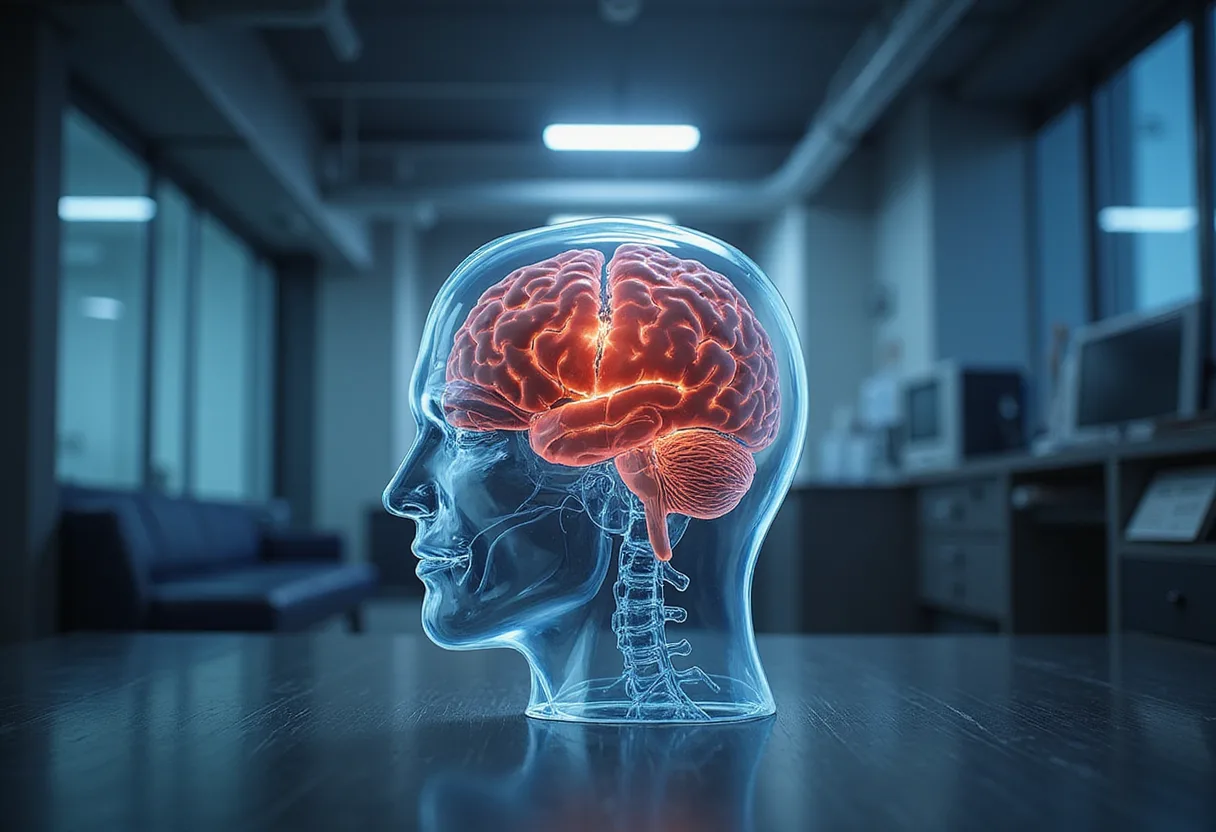
Photo: AI-generated
Colorado State University has secured $3 million to investigate a rare variant of Parkinson's disease, a grant that places a veterinary institution at the center of human neurodegenerative research and signals how comparative medicine continues to blur the line between animal and human brain science.
The award, reported by Vet Candy, directs funding toward work on a poorly understood Parkinson's variant — a form of the disease that does not follow the typical clinical course and remains difficult to diagnose and treat. The dollar figure is the anchor: $3 million represents a substantial commitment for research incubated within a veterinary college rather than a traditional medical school.
For veterinarians and veterinary researchers, the grant carries a straightforward message. Training in veterinary pathology, comparative neuroanatomy and animal disease modeling now opens credible pathways into human neuroscience funding streams. CSU's veterinary program — long known for its research infrastructure in infectious disease, reproduction and neurobiology — is the vehicle for this particular award, which targets the human brain rather than any animal patient population.
The details available about the specific variant under investigation are limited in the initial report. What is confirmed is the funding amount, the recipient institution and the target disease area. The research aims to advance understanding of the rare Parkinson's variant, a condition that affects a small fraction of the estimated 10 million people worldwide living with Parkinson's disease.
The grant illustrates a funding pattern that has gained momentum across academic veterinary medicine: universities with veterinary colleges increasingly compete for, and win, grants directed at human health outcomes. The logic runs through comparative biology. Neurodegenerative processes share mechanisms across species, and laboratories built to study animal nervous systems can often pivot those methods to human tissue and disease models at lower cost than building equivalent capacity from scratch inside a medical school.
For clinicians in companion-animal practice, the news is more a signal than a practice change. Nothing in the announced work alters current protocols for canine or feline patients, and no veterinary diagnostic or therapeutic product is implicated. The relevance sits upstream — in the training pipeline and the research economy that funds veterinary faculty, graduate students and laboratory infrastructure. Grants of this size sustain postdoctoral positions, equipment and multi-year study designs that also support the institution's animal-health research base.
There are no companion-animal, food-animal or public-health regulatory dimensions to this award. No drug, vaccine or device approval is involved, and no agency action by FDA CVM, EMA or USDA attaches to the work. The funding is purely investigative, aimed at characterizing a rare variant of a human neurodegenerative disease.
The practice-level impact, if any materializes, will arrive through the slow channel of translational science. Parkinson's research has historically produced diagnostic markers and candidate therapies that later get evaluated in veterinary neurology, particularly in canine cognitive and movement-disorder studies. A better-defined rare variant, with distinct pathology, could eventually sharpen how veterinary neurologists classify and study spontaneous movement disorders in dogs — but that prospect sits years out and depends on what the CSU team actually finds.
What the grant confirms today is institutional: veterinary colleges can compete for significant human-health dollars on the strength of their comparative research capacity. CSU's $3 million award adds a concrete data point to that trend, and the field will watch whether the findings on this rare Parkinson's variant generate follow-on funding, published disease mechanisms, or translational tools that reach both human neurologists and veterinary neurology services.
Source: Google News: Veterinary medicine
Grace Kim
Show full bio
Staff writer covering regulation, policy and their impact on Small- and large-animal clinical practice at The Vet Scope.
Related articles
NC State Veterinary Scientist Wins Major NIH Funding for Organ Transplant Research
UC Davis Opens Center Targeting Brain Tumors in People and Pets
Virginia Tech's Rossmeisl earns National Academy of Inventors nod
NIH Renews Kansas State Zoonotic Disease Hub for $11.4 Million
WSU Veterinary Postdoc Wins NIH Fellowship