Katherine Houpt Becomes First Female Full Professor at Cornell Vet College
Katherine Houpt has become the first woman promoted to full professor at Cornell's College of Veterinary Medicine. Her quote: 'Be a vet, then you can be anything you want to be.'
Updated
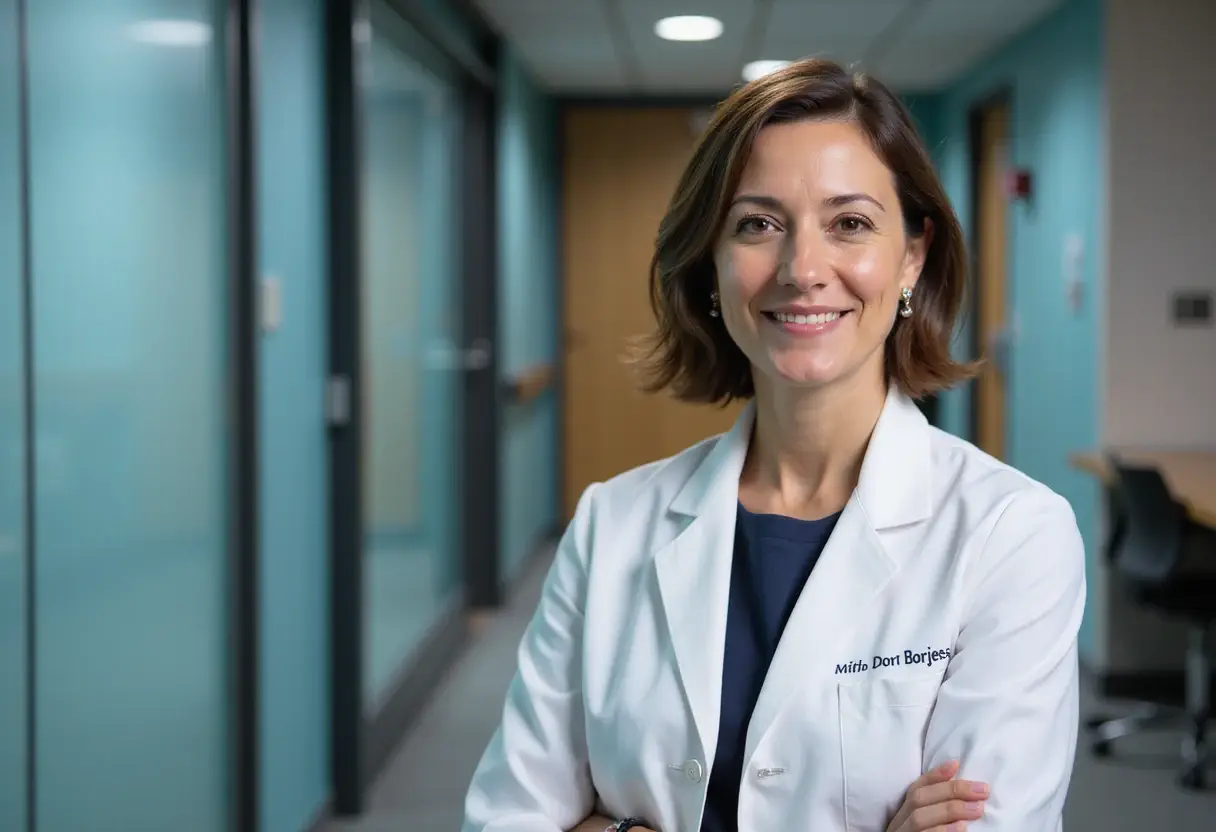
Photo: AI-generated
Katherine Houpt has become the first woman promoted to full professor in the history of Cornell University's College of Veterinary Medicine, The Cornell Daily Sun reports.
The veterinary behaviorist summarized her career advice in one sentence: "Be a vet, then you can be anything you want to be."
What does the title mean?
Full professor is the top rank in the academic veterinary tenure track. Promotion typically follows years as associate professor and reflects a record of research, teaching and professional standing reviewed by department peers and external evaluators.
The Cornell Daily Sun, the university's independent student newspaper, published a profile describing Houpt's path through the specialty and the milestone.
What is veterinary behavior?
Veterinary behavior is a board-recognized specialty within veterinary medicine. Practitioners address aggression, anxiety and compulsive disorders, often in companion-animal practice but also in working-animal, shelter and production settings.
The specialty sits alongside surgery, internal medicine, cardiology, dermatology and neurology. Specialty workups typically combine a behavior history, a medical workup to rule out contributing conditions, environmental changes, structured behavior modification and, in selected cases, pharmacologic support.
What does the milestone signify now?
Cornell runs one of the country's oldest veterinary colleges, founded in the 1890s as part of the university's land-grant charter. The institution has trained generations of academic veterinarians, making the first-ever female full professor a marker of how slowly senior ranks have shifted.
Women form the majority of students enrolled in U.S. veterinary colleges, a demographic shift that has reshaped the entry pipeline. The progression through tenure and into the full-professor tier has caught up more slowly.
A first-ever female full professor at Cornell marks one institutional gap closing. The broader pattern across U.S. veterinary colleges continues to evolve.
What does Houpt's quote say about the DVM?
"Be a vet, then you can be anything you want to be" treats the veterinary degree as a credential rather than a defined career path. The framing shows up across specialty medicine, public health, research, industry and regulatory work.
For students weighing private practice against specialty training or research, the line reframes the degree as a launching point rather than a destination.
What changes at the exam table?
Behavior problems remain a leading driver of owner surrender, return and euthanasia in dogs and cats. Cases most often referred to a diplomate include separation anxiety, noise phobias, inter-pet aggression, compulsive behaviors, cognitive decline and house-training breakdowns.
Primary-care veterinarians manage many cases in-house, escalating to a behaviorist when the workup suggests a complex behavioral diagnosis, when first-line plans fail, or when pharmacologic decisions fall outside the general practitioner's comfort. Common triggers for referral include risk to household members, sudden behavior change in an older pet, or refractory anxiety that has not responded to first-line management.
How does the milestone read for the specialty?
Specialty training pipelines in behavior rely on a small diplomate pool. Recognition of the discipline at a research-intensive college of veterinary medicine raises visibility among residents considering the field and signals an alternative to the private-practice default.
The American College of Veterinary Behaviorists certifies diplomates; residencies run three years and require original research. Demand for behavior consultations has grown as pet owners and shelters prioritize behavior assessments alongside medical care.
Where can the full profile be read?
The Cornell Daily Sun published the feature in its print and online editions. It is the most detailed public account of Houpt's career currently available to alumni and prospective students.
What's next to watch?
Two indicators: the pace at which subsequent women move from associate to full professor at U.S. veterinary colleges, and whether the specialty Houpt represents continues to expand diplomate numbers to meet demand in primary and referral practice.
Source: Google News: Veterinary medicine
Amara Osei
Show full bio
Correspondent covering companies, deals and strategy in Small- and large-animal clinical practice at The Vet Scope.
Related articles
Cornell CVM Offers Guidance on Dogs' Anxious Behavior
Purdue Veterinary Conference Offers Up to 23 CE Hours in September
WSU Veterinary Medicine Dean Dori Borjesson Announces Retirement
Purdue Vet Med Spotlights Student Research at Annual Research Day
Chris Adin named dean of UF College of Veterinary Medicine