Taita Taveta intensifies livestock disease control push
Taita Taveta County in Kenya has escalated its livestock disease control operations, per Radio Kay. Details on pathogens, budget, and officials remain undisclosed in the source report.
Updated
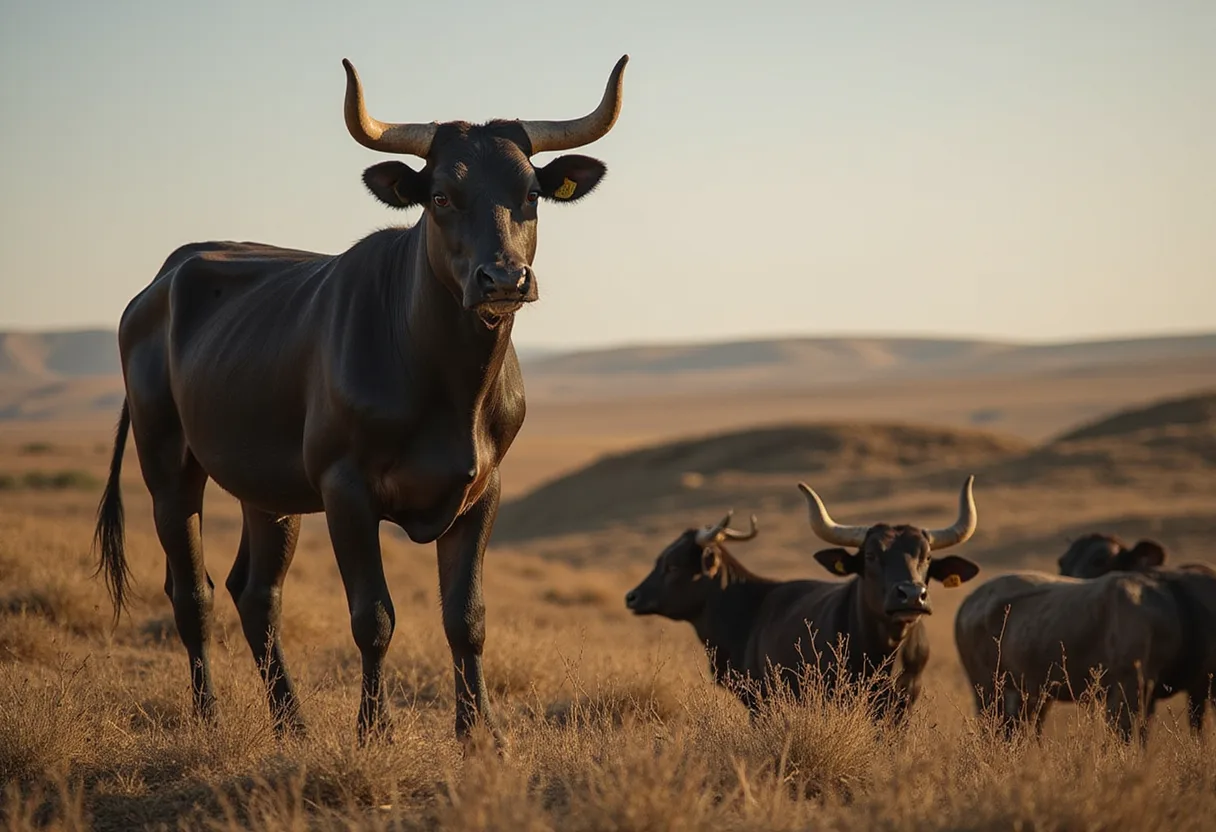
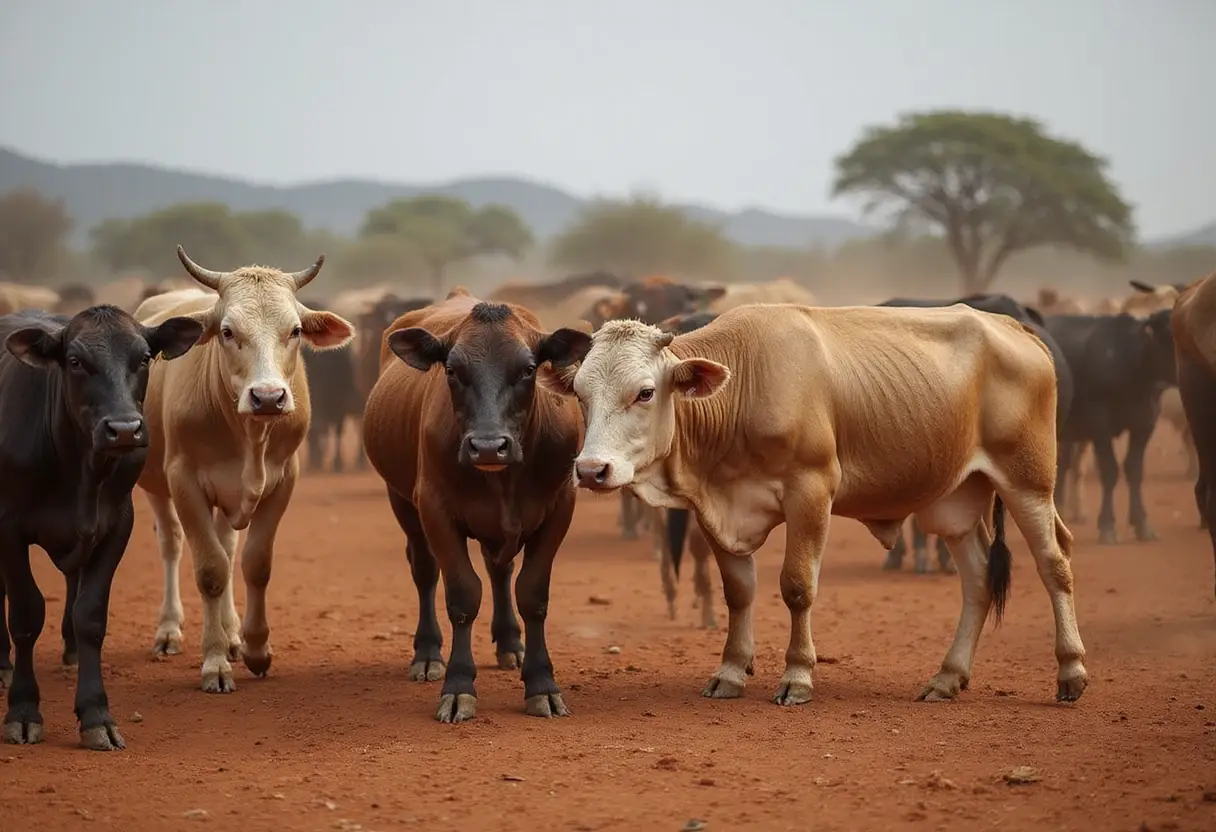
Photo: AI-generated
Taita Taveta County in Kenya has stepped up its livestock disease control operations, according to a brief Radio Kay report carried by the station's news desk.
The county government has expanded its veterinary surveillance and response footprint, a move that local authorities frame as essential for the region's pastoral and agro-pastoral economy. Radio Kay reported the escalation without specifying a trigger event or new budget figure.
What is actually changing on the ground?
County veterinary teams are conducting more frequent field patrols and routine inspections at livestock markets and dipping points. The report points to heightened readiness around disease hotspots, including zones where transboundary animal diseases have circulated. No specific pathogen was named in the Radio Kay item.
Practitioners serving smallholder herds in the region should expect closer coordination with county animal health officers on movement permits and vaccination drives.
Why Taita Taveta matters
Taita Taveta sits at a livestock-movement corridor linking coastal and interior Kenya. Pastoralists in the county manage cattle, goats, sheep and camels across range systems that border Tsavo. Disease pressure in the area historically tracks movement patterns and seasonal grazing shifts. Any intensification of county veterinary services is therefore most likely to affect small ruminant and cattle herds first, with camel and poultry surveillance trailing behind.
Regulatory and reporting context
Kenyan county veterinary authorities operate under the Department of Veterinary Services and the Directorate of Veterinary Services within the State Department for Livestock. Disease reporting flows through the Kenya Veterinary Information System. International notifiable disease events route to the World Organisation for Animal Health (WOAH, formerly OIE) and the East African Community animal health network.
For practitioners outside Kenya, the development is a reminder that subnational surveillance intensity directly shapes what practitioners see at the chute. County-level escalation can compress the interval between suspicion and confirmation, which changes treatment thresholds in the field.
What practitioners should watch
Watch for any follow-up bulletins from the Directorate of Veterinary Services naming the targeted disease and specifying the intervention. What is published next will tell practitioners which species and which syndromes merit heightened clinical suspicion in imported and transboundary stock.
The next signal to look for is a named pathogen, a vaccination campaign, or a movement-restriction notice from the county.
Limitations of this report
The Radio Kay item provided no event date, named official, budget figure, or specific disease. Any expansion of this story depends on a follow-up bulletin from the county government or the Directorate of Veterinary Services.
Source: Google News: Livestock health
Elena Vasquez
Show full bio
Market editor covering money, funding and market shifts around Small- and large-animal clinical practice at The Vet Scope.
Related articles
Uganda Warns Against Housing Livestock in Markets Over Disease Risk
IGAD Pushes Stronger Animal Health Labs for Regional Surveillance
Zambia Turns to Communities to Track Zoonotic Disease
Foot-and-Mouth Disease Detected on Kalala Island in Namibia's Zambezi Region
Rift Valley Fever Outbreak Confirmed in Mauritania and Senegal