Over 60% of Connecticut Horses Show Exposure to Leptospira
A UConn serological survey found more than 60% of tested Connecticut horses carry antibodies to Leptospira, the bacterium linked to equine recurrent uveitis and abortion.
Updated
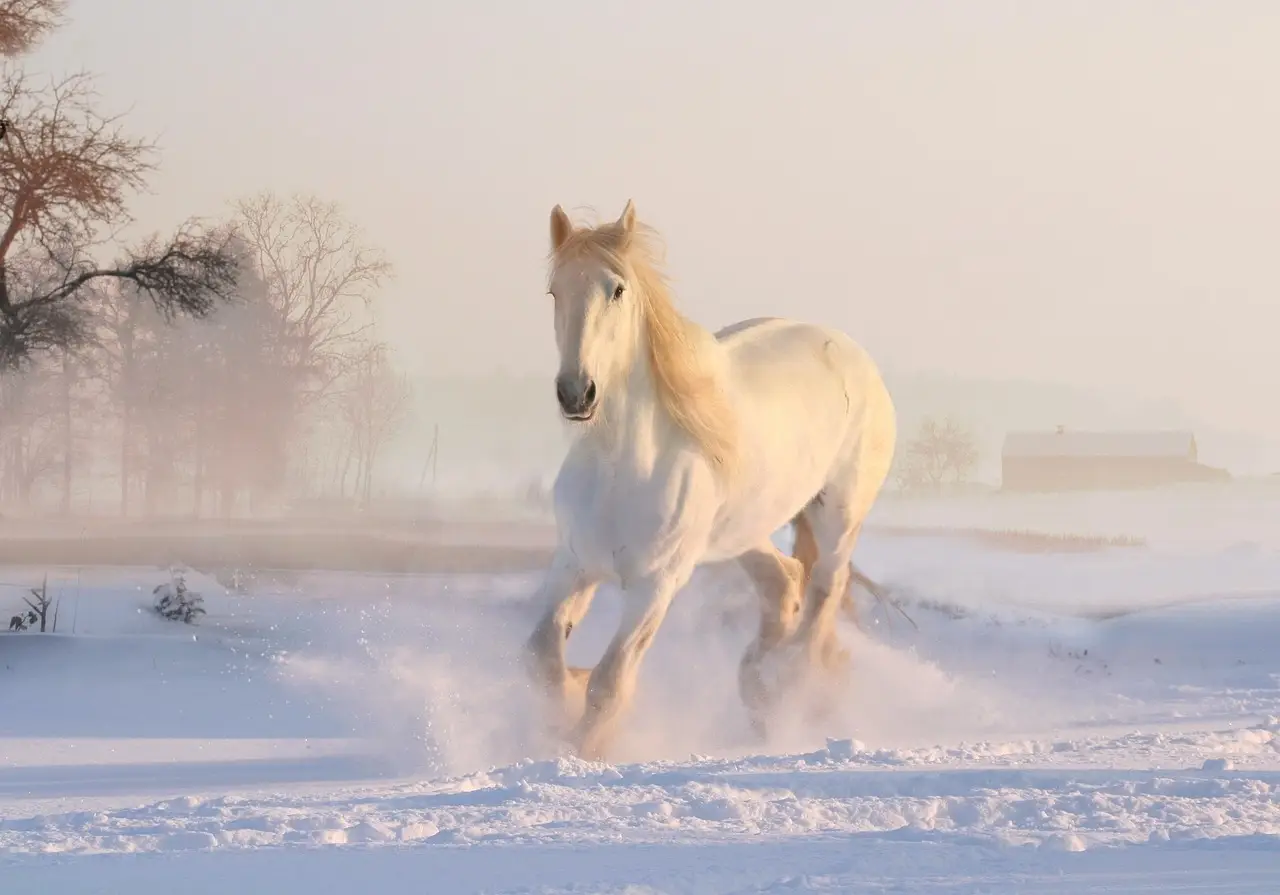
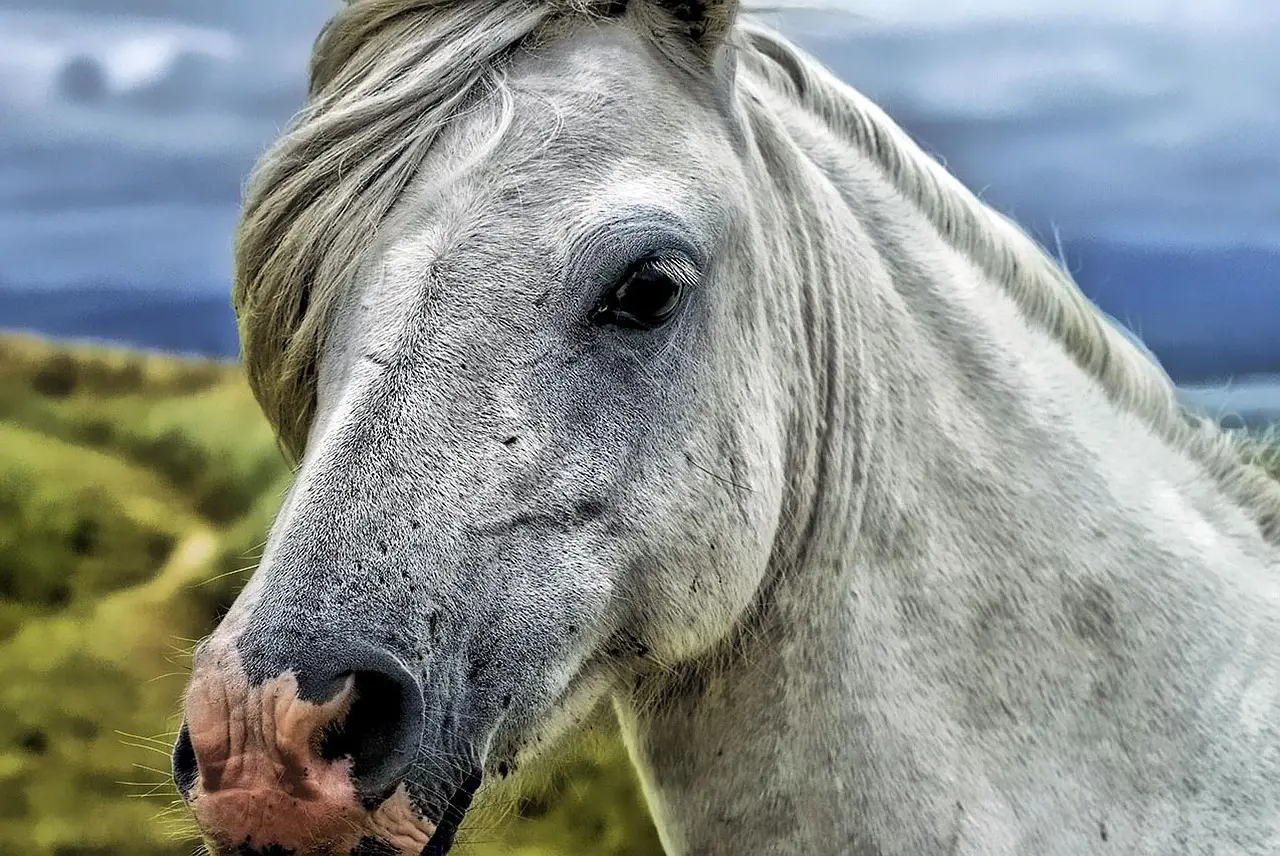
Photo: STVIOD / pixabay
A University of Connecticut study has found that more than 60% of tested Connecticut horses show evidence of exposure to Leptospira bacteria, the organism linked to equine recurrent uveitis, abortion, and renal disease in horses. The finding, reported by UConn Today, positions leptospirosis as a broader presence in the regional horse population than many practitioners may assume.
The result comes from a serological survey, meaning researchers tested blood samples for antibodies rather than active infection. A positive test indicates past exposure to the bacterium at some point in the animal's life, not necessarily current disease. For clinicians, the distinction matters directly: a seropositive horse is not a sick horse by default, but a high background exposure rate raises the odds of encountering clinical cases and of fielding owner questions about diagnosis and prevention.
What does high exposure mean at the barn?
Leptospira circulates in the environment through the urine of infected animals, with wildlife reservoirs such as rodents and deer maintaining the bacterium in soil and water. Horses typically pick up infection through mucous membranes or broken skin contact with contaminated feed, water, or pasture. Wet conditions and standing water increase transmission risk, a relevant point in a New England climate.
The clinical stakes for horses are well established in the veterinary literature. Leptospirosis is a recognized cause of equine recurrent uveitis, the most common inflammatory eye disease in horses and a frequent cause of blindness. It is also associated with abortion in broodmares and with kidney disease.
The public-health dimension deserves separate attention. Leptospirosis is a zoonosis. Humans acquire it through the same environmental routes as horses, chiefly contaminated water and urine exposure. A 60%-plus exposure rate in horses signals that the bacterium is active in Connecticut's shared environment, which is useful information for veterinarians advising clients who work around livestock, water, or wildlife.
What can practitioners do with this?
The UConn result argues for keeping leptospirosis on the differential list when clinicians evaluate horses with unexplained uveitis, abortion, or renal signs. Serology and other diagnostics can confirm exposure, though interpretation requires care in a population where most animals may carry antibodies.
Prevention conversations are also in scope. Owners can reduce environmental exposure by controlling rodents around feed storage, draining standing water where practical, and limiting access to shared water sources known to carry contamination risk.
On vaccination, practitioners should note the regulatory picture carefully. The USDA has licensed a Leptospira interrogans serovar Pomona vaccine for horses in the United States, marketed to aid in the prevention of leptospirosis-associated disease. The UConn report on exposure rates does not by itself establish regional vaccine recommendations, and clinicians should weigh individual horse risk profiles when discussing the product with clients.
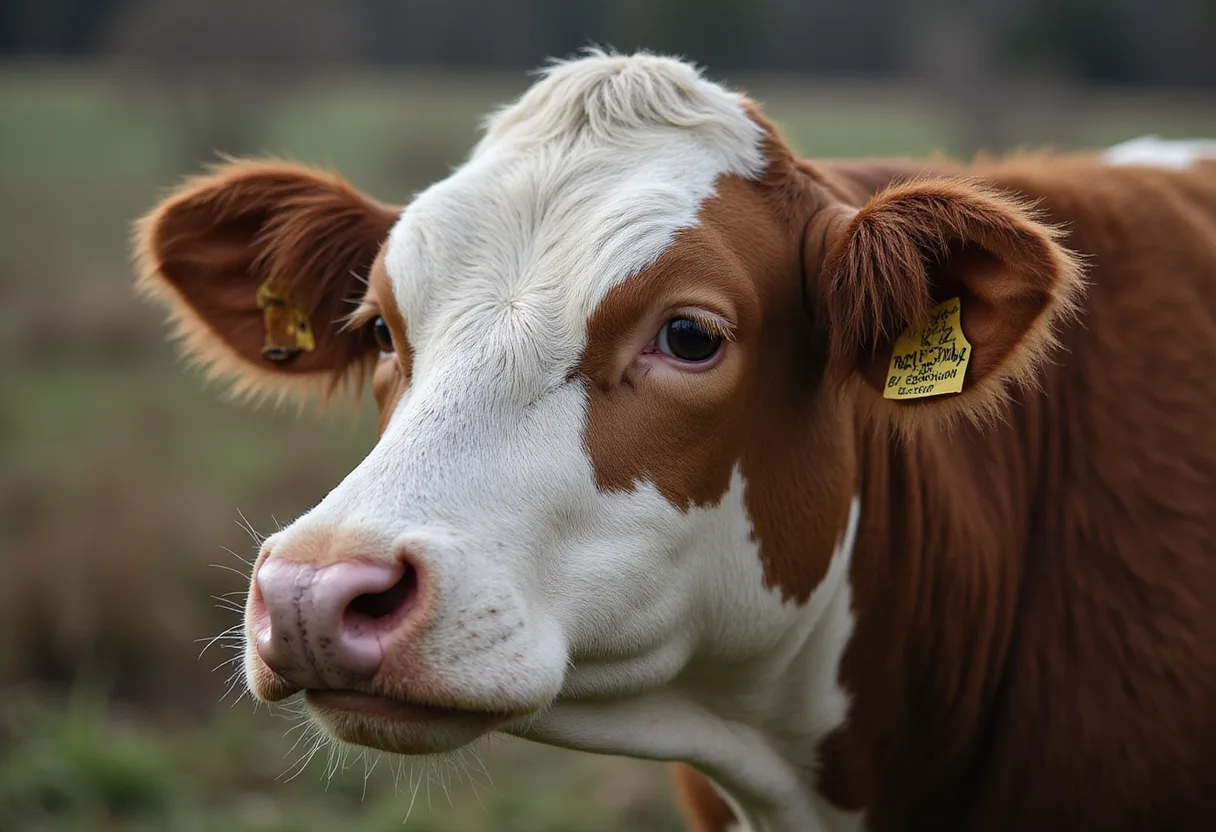
For food-animal overlap, cattle remain the major domestic reservoir species for several Leptospira serovars, and horses sharing land or water with cattle face elevated exposure pressure. Mixed-species operations in Connecticut and similar regions may warrant a closer look at herd-level leptospirosis control.
The takeaway
A seroprevalence above 60% tells Connecticut veterinarians that Leptospira exposure is the norm, not the exception, in the state's horse population, and that diagnostic suspicion, environmental management, and prevention discussions all have a place in routine equine care. UConn researchers' broader characterization of serovars and risk factors in this population may further sharpen prevention guidance as the work continues.
Source: Google News: Zoonotic disease
Daniel Okafor
Show full bio
News editor covering technology and product news in Small- and large-animal clinical practice at The Vet Scope.