Journal of Dairy Science links blood BHB to Holstein body condition
An October 2026 Journal of Dairy Science study links blood β-hydroxybutyrate with body condition score and milk yield in Holstein cows, with direct relevance to fresh-cow monitoring.
Updated
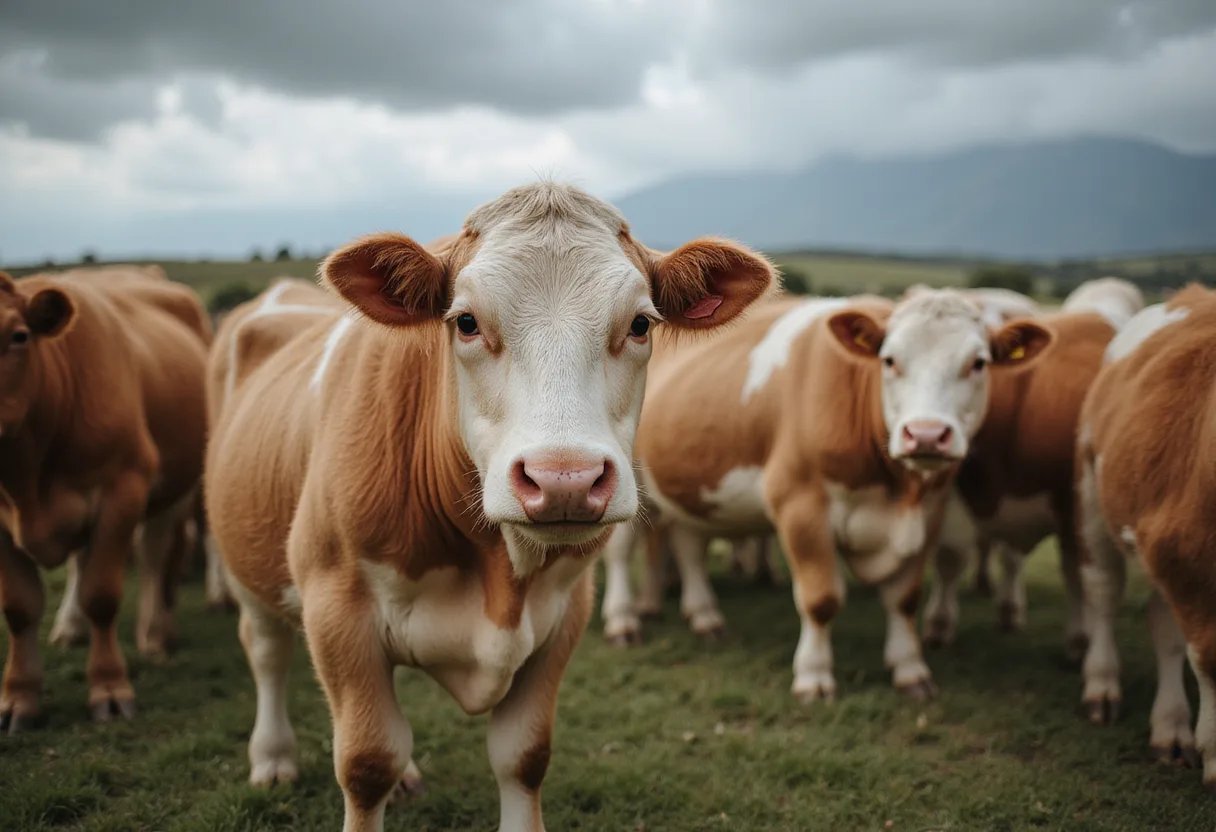
Photo: AI-generated
The Journal of Dairy Science published a study in October 2026 examining the association between blood β-hydroxybutyrate concentrations, body condition score, and milk yield in Holstein cows. The paper appears in Volume 109, Issue 10 of the journal.
Pablo Pinedo, Constanza Hernandez-Gotelli, Diego Manriquez, Quinn Martin, and Pedro Melendez authored the work. The team set out to characterize how a key circulating ketone body relates to two routinely recorded on-farm measures in dairy cattle.
Why does this matter at the exam table?
Blood β-hydroxybutyrate serves as the reference marker for hyperketonemia in fresh dairy cows. Producers and veterinarians already track body condition score and daily milk yield without laboratory support. A defined association between the three variables would give clinicians a practical screen for ketosis risk using data most herds already collect.
The study population consisted of Holstein cows, the dominant breed in commercial milk production. The investigators analyzed ketone concentrations against condition scoring and yield records to determine whether the measures move together.
For food-animal practitioners, the clinical question is straightforward: can condition score or milk output flag cows likely to exceed ketone thresholds before laboratory confirmation is available. Companion-animal and direct public-health implications do not arise from this work; the findings concern dairy herd metabolism and production monitoring.
The full dataset, statistical methods, and effect sizes appear in the published paper. Veterinarians seeking the specific threshold values and odds estimates should consult the primary article in Volume 109, Issue 10.
The takeaway in plain words: the study connects a laboratory ketone marker with two measures every dairy already records. Full results are available in the October 2026 issue, and follow-up work will determine how well field measures can replace routine blood sampling in fresh-cow protocols.
Source: Journal of Dairy Science (Elsevier)
Daniel Okafor
Show full bio
News editor covering technology and product news in Small- and large-animal clinical practice at The Vet Scope.
Related articles
Vet Times outlines bovine metabolic disorder screening, management
Pre-dry-off nutrient restriction study set for JDS October 2026
New invited review reframes herd-level udder health indices
Plasma bile acids tracked at 3- and 6-week dairy calf weaning
Over-conditioned Holstein cows lost 90 kg in first week postpartum