Four Professors Share Tactics for Tough Mixed-Animal Clients
Four board-certified clinicians at LSU, Iowa State, Auburn, and Penn urged mixed-animal veterinarians to set boundaries, reframe difficult clients as people in difficulty, and speak honestly when the news is bad.
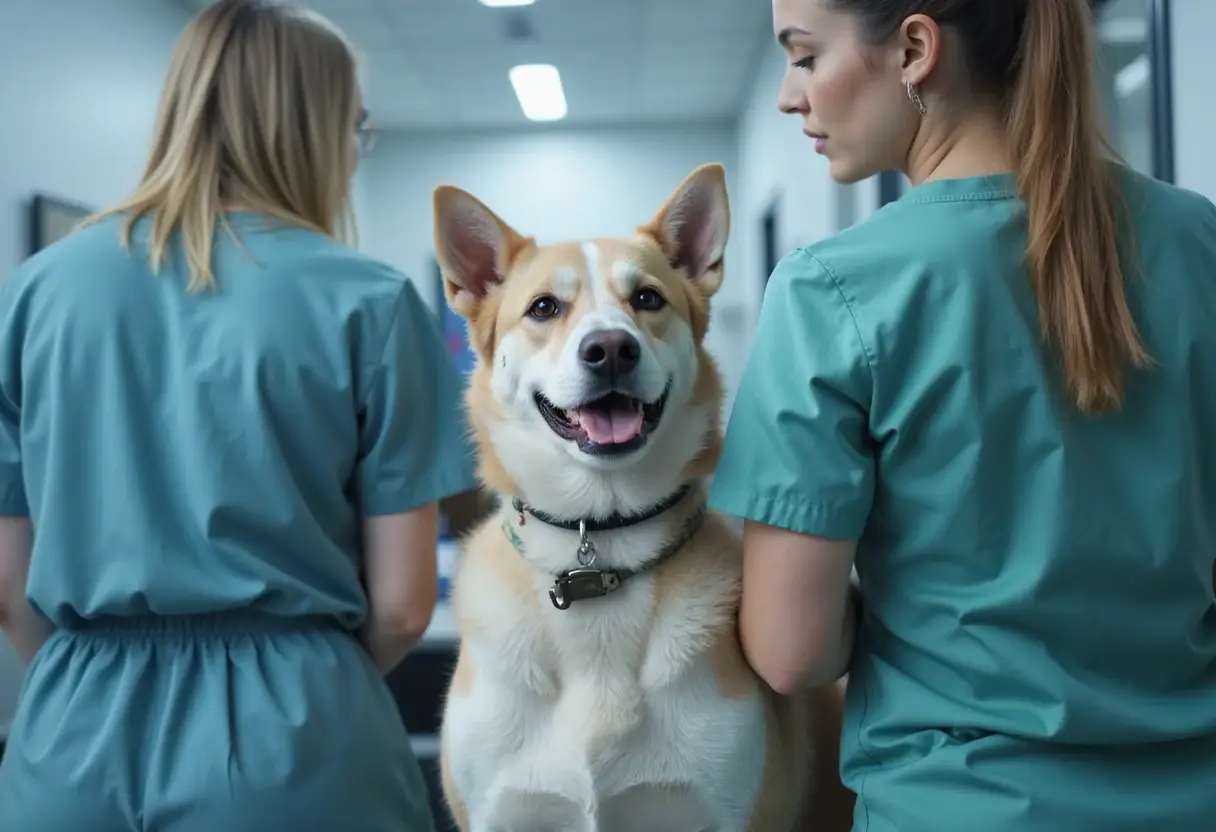
Photo: AI-generated
Four board-certified veterinarians from Louisiana State University, Iowa State University, Auburn University, and the University of Pennsylvania offered advice on handling challenging client conversations in mixed-animal practice, in a "We Asked" roundup published by Today's Veterinary Practice.
The contributors span theriogenology, large-animal internal medicine, dairy practice, and certified veterinary acupuncture. Their advice converged on three moves: set boundaries, reframe the client as a person under pressure, and stay transparent even when the news is bad.
What is the case for setting boundaries?
Clare M. Scully, MA, DVM, MS, DACT, of LSU School of Veterinary Medicine, drew a hard line at expectation-setting. "Set boundaries and manage expectations," Scully said. "This profession will ask a lot. Learn when to say yes and when to step back. Be clear and honest. When expectations are realistic, trust follows."
Scully also pushed back against perfectionism. "You won't know everything, and you will make mistakes," she said. "That doesn't make you a bad veterinarian. It makes you human."
Her prescription reflects the cumulative load carried by mixed-animal practitioners, who move between species, production systems, and emotional stakes in a single day.
How should teams reframe challenging clients?
Jamie Kopper, DVM, PhD, DACVIM (LAIM), DACVECC-LA, of Iowa State University College of Veterinary Medicine, urged a linguistic shift. "I was taught to think of people as 'people in a difficult situation' versus 'difficult people,'" Kopper said. "The wording is subtle but helps remind me that we often meet people on less-than-ideal days and that, at heart, many of them are good people in a challenging situation."
The exercise de-escalates by relocating the friction from the client to the situation, rather than asking the client to change first.
Why is communication a clinical skill?
Ricardo M. Stockler, DVM, MS, PhD, DABVP (Dairy Practice), of Auburn University College of Veterinary Medicine, tied clear talk directly to patient care. "We sometimes forget that veterinary medicine is, at its core, a people profession," Stockler said. "Effective client communication is essential; it requires active listening, clear and honest conversations, empathy, and the ability to build trust through consistent, professional engagement."
Stockler pushed back against softening bad news. "The truth is that we must speak honestly and truthfully, even when the message isn't what a client hopes to hear," he said. "The animal depends on our best care, regardless of the outcome. And ultimately, clients appreciate transparency; it strengthens their trust in us."
What technique prevents defensive reactions?
Liz Arbittier, VMD, CVA, of the University of Pennsylvania School of Veterinary Medicine, recommended self-distancing during heated exchanges. "A great technique to avoid reacting emotionally, getting defensive, or matching energy is self-distancing," Arbittier said. "Respond as if you are watching an interaction from afar. What would your lines be if someone wrote a script and you are in the role of the most gifted communicator in the world?"
Arbittier acknowledged the technique feels awkward at first. "A brief shift in your brain produces measurable change," she said. "It may feel weird at first, but it is a game changer."
What changes at the exam table or in the barn?
Across the four contributors, three habits recur:
- Set boundaries and manage client expectations early
- Reframe "difficult clients" as people in a difficult situation
- Speak honestly even when the news is unwelcome
The tactics require no equipment, no referral, and no invoice line item, which makes them accessible for solo and rural practices with limited support staff.
For mixed-animal practitioners weighing the next farm call or exam-room consult, the four contributors leave a single throughline: hold the boundary, hold the honesty, and hold the human connection.
Source: Today's Veterinary Practice
Nathan Brooks
Show full bio
Senior reporter covering companies, deals and strategy in Small- and large-animal clinical practice at The Vet Scope.
Related articles
Shared Decisions, Better Adherence: Coe's Message to AVMA Forum
Veterinary Teams Fill Information Gaps With Negative Stories, Coaches Say
UK Veterinary Practices Face One-Year Deadline for Major Reforms
Why Veterinary Medicine's Future Hinges on Its People, Not Just Its Tools
Veterinarians Press Regulators as Medicine Shortages Deepen