Dogs Under 25 lb Carry Distinct Health Risks, Review Finds
Hill’s 2026 evidence review finds that dogs under 25 lb need roughly twice the calories per kilogram, face higher dental and urinary risk, and require size-specific care.
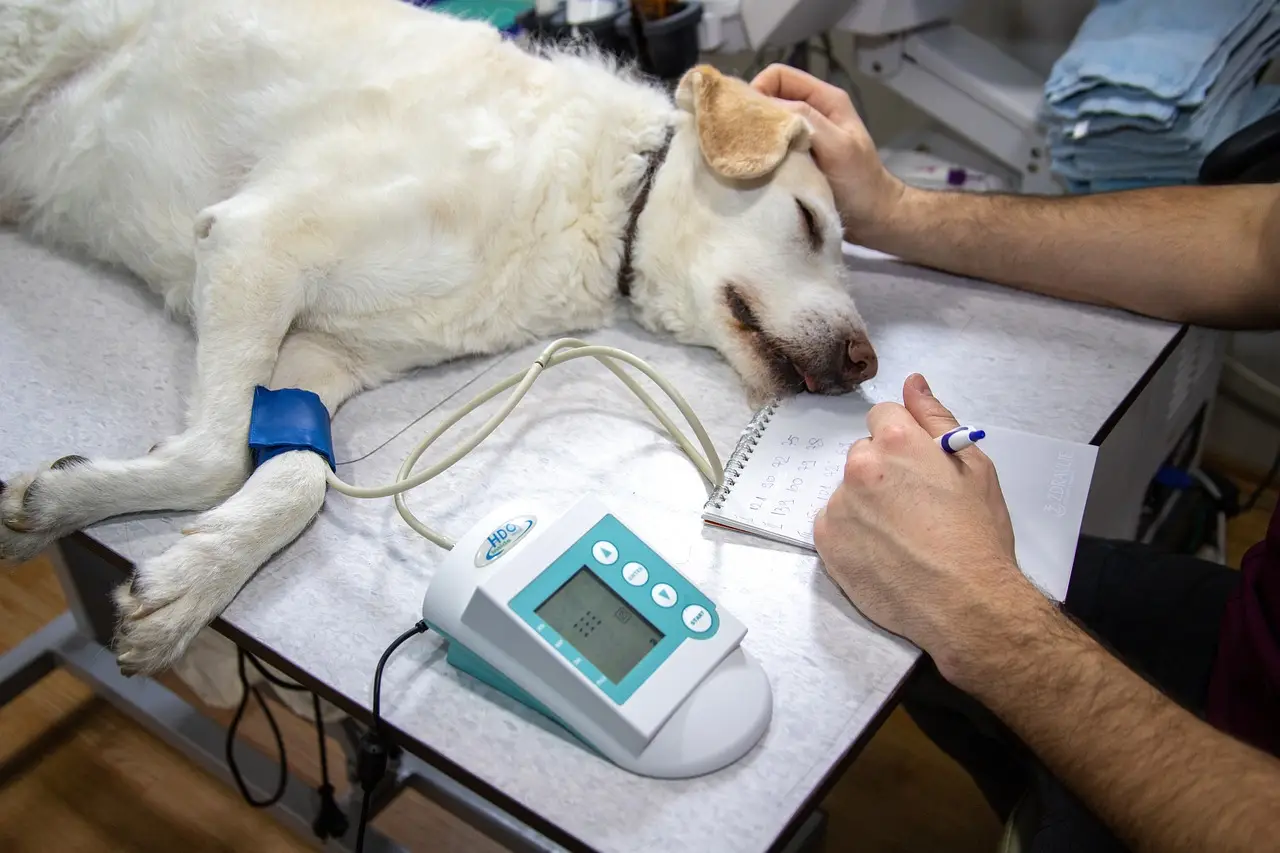
Photo: mirkosajkov / pixabay
By Amara Osei
A 2026 Hill’s Pet Nutrition evidence review of pet dogs reports that animals weighing less than 6.5 kg have up to five times the risk of a periodontal-disease diagnosis compared with giant breeds.
The 2026 World of the Small Dog report examines metabolic, dental, orthopedic, urinary, cardiac and cognitive risks in dogs weighing less than 25 lb. Hill’s unveiled it October 20 at the fifth anniversary of its Small Paws Innovation Center in Topeka, Kansas.
The company describes the center as the only US facility dedicated exclusively to small-dog biology and nutrition. Hill’s issued its accompanying news release on November 5, 2026.
The Hill’s-authored document synthesizes published studies, an Ipsos veterinarian survey and a urolith submission series rather than evaluating one intervention in a prospective trial.
Small and mini dogs make up about 52% of the global canine population and live an estimated 4 to 5 years longer than giant breeds, according to the review. The longer lifespan also increases lifetime exposure to cardiac and cognitive disease.
Francisco Poblanno, DVM, DVSc, Dip. ECVCN, Hill’s clinical nutrition manager and lead report author, said: “Small dogs are not simply smaller versions of larger dogs—they possess unique metabolic rates, faster gut transit times, and distinct health vulnerabilities.”
What changes in energy intake and drug dosing?
On a per-kilogram basis, small dogs need roughly twice the calories of large breeds. A 3-kg dog requires about 83 kcal/kg/d, compared with 47 kcal/kg/d for a 30-kg dog.
Energy needs also vary more among small dogs than among large dogs. Yorkshire terriers tend to need more energy, while Chihuahuas and miniature dachshunds need less than predictions indicate.
The authors recommend recalculating energy requirements with body condition scoring and regular weigh-ins rather than relying on formulas alone. Treats should supply no more than 10% of daily calories.
Small-dog gastrointestinal tissue accounts for 6% to 7% of body weight, versus 3% to 4% in large breeds. Total gastrointestinal transit takes about 22 to 24 hours, compared with 43 to 59 hours.
Small dogs also clear many drugs faster per unit of mass, so linear milligram-per-kilogram dosing can underdose toy breeds. The report names no specific medication, vaccine or dose and documents no FDA CVM, EMA or USDA regulatory action.
Which diseases carry the largest risk?
Dogs under 6.5 kg face up to five times the periodontal-disease diagnosis risk of giant breeds. Wallis and colleagues’ 2021 Veterinary Journal analysis of pure-bred, client-owned dogs in the United States links that disparity to tooth crowding, retained deciduous teeth and shorter roots.
An Ipsos veterinarian survey cited in the review found that 97% named dental care as the defining health need of small dogs. The report’s summary does not state the survey sample size, so the 97% figure should not be read as a population prevalence estimate.
Small dogs carry 12 times the risk of medial patellar luxation as larger breeds. Engdahl and colleagues’ 2023 Preventive Veterinary Medicine study used an insured Swedish dog population to examine the epidemiology of the disorder.
Of 387,791 canine uroliths submitted to the Minnesota Urolith Center from 2019 through 2024, small-dog submissions accounted for 47% and mini-dog submissions 24%. Calcium oxalate comprised 53% of stones submitted from mini dogs. These stones cannot be dissolved medically and often require surgical removal. Miniature schnauzers had the highest calcium-oxalate odds ratio, up to 21.6.
Myxomatous mitral valve disease accounts for more than 70% of canine heart disease and disproportionately affects small breeds. Up to 90% of Cavalier King Charles spaniels develop it by age 10, according to studies cited in the report, including Parker and Kilroy-Glynn’s 2012 Journal of Veterinary Cardiology paper.
Longer lifespans also increase lifetime risk of canine cognitive dysfunction. Behavioral changes begin around 10.5 years of age in dogs of all sizes, but small dogs show a steeper neurologic decline.
The review recommends:
- Early screening with DISHAA, which assesses disorientation, interactions, sleep-wake cycles, house soiling, activity and anxiety.
- Multimodal management combining nutrition, enrichment and, when appropriate, medication.
Which animal sectors are affected?
- Companion animals: The findings apply directly to household dogs, particularly small and mini breeds, because the report addresses their metabolism, disease susceptibility, nutrition and longer lifespan.
- Food animals: The review does not assess cattle, swine, poultry or other production species, and it provides no food-animal recommendations.
- Public health: The report makes no assessment of zoonotic disease, food safety or antimicrobial resistance. Its findings should not be extrapolated into those fields.
What should change at the exam table?
- Weight and diet: Recalculate energy needs with body condition scoring and regular weights; keep treats at or below 10% of daily calories.
- Prescribing: Treat linear mg/kg dosing as a potential underdose risk in toy breeds rather than assuming small dogs clear medicines at the same rate as large dogs.
- Prevention: Prioritize dental assessment, account for patellar-luxation and urolith risk, and add size-specific cardiac and cognitive context to the examination.
- Cognitive care: Screen with DISHAA and combine nutrition, enrichment and medication when indicated.
The forward-looking question is whether consistent weight monitoring, size-adjusted dosing and earlier screening can reduce dental, urinary and cognitive disease during the longer lifespan of small dogs.
Source: dvm360.com
Amara Osei
Show full bio
Correspondent covering companies, deals and strategy in Small- and large-animal clinical practice at The Vet Scope.