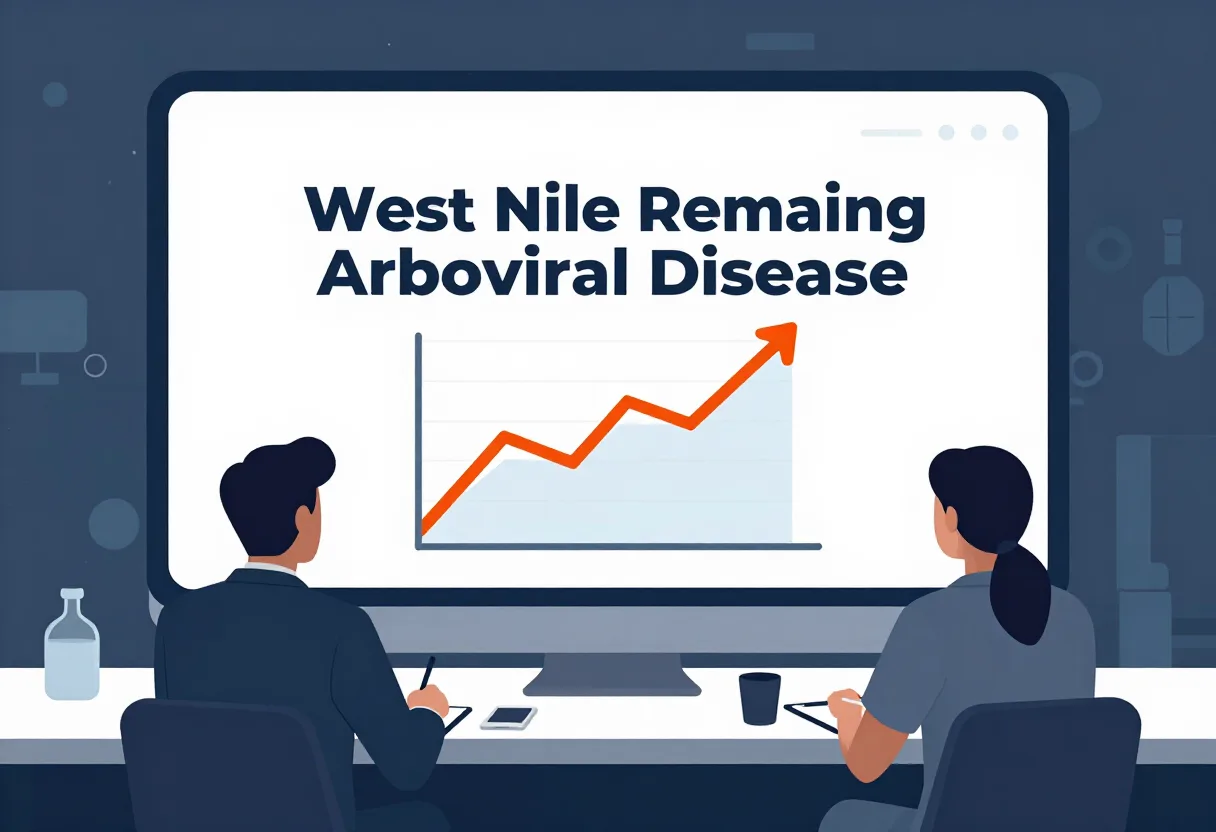
Dengue in Florida Flags Cross-Sector Surveillance Concerns
Infectious Disease Special Edition distributes “What You Should Know About Dengue in Florida,” a briefing that matters beyond human medicine because Aedes-driven arbovirus surveillance already pulls veterinary clinics into One Health case detection.
Updated
A reader-facing briefing titled “What You Should Know About Dengue in Florida” appeared this week in the Infectious Disease Special Edition news feed, distributing through a Google News RSS link and reaching veterinary as well as human-medicine audiences.
The headline alone signals that local transmission of a mosquito-borne flavivirus in the continental United States has crossed a threshold worth flagging for clinicians. For veterinary teams in the Southeast, the publication of such a piece matters beyond human-health curiosity.
Why does dengue matter at the exam table?
Dengue virus circulates primarily through Aedes aegypti and Aedes albopictus mosquitoes. While dogs and cats are not the principal reservoirs of the disease, veterinary clinics regularly see patients whose clinical picture overlaps with vector-borne infections:
- Febrile presentations of unclear origin in outdoor or hunting dogs
- Horses and small mammals in shared mosquito habitat
- Co-exposure risk with other reportable arboviruses (West Nile virus, eastern equine encephalitis, heartworm)
- Client questions about personal and pet protection during peak mosquito season
In Florida’s Aedes-endemic counties, veterinary teams already sit inside the One Health surveillance loop that state and federal agencies use to detect mosquito-borne activity. Briefings aimed at human clinicians therefore reach a wider clinical audience than the headline suggests.
What the title alone cannot tell us
The full text of the Infectious Disease Special Edition piece — case counts, affected counties, guidance on testing, and travel-medicine advice — was not transmitted in the feed itself. Practitioners seeking granular figures (Florida Department of Health counts, CDC ArboNET reporting, USDA-equivalent veterinary surveillance) should pull the full article directly from Infectious Disease Special Edition rather than rely on headlines.
What to do this month
Practices in Florida, southern Georgia, Alabama, Mississippi, Louisiana, and Texas should anticipate owner inquiries tied to local dengue coverage. Adding a one-line scripted response — "Dengue is transmitted by mosquitoes, not by contact with infected pets, but the same mosquito control advice that protects people protects animals" — to front-desk staff is a low-cost way to convert headlines into client trust.
Veterinary teams that already report suspected arboviral cases to state public-health veterinarians can expect an uptick in cross-sector requests for case histories as Florida surveillance intensifies through the warmer months ahead.
Source: Google News: Zoonotic disease
Grace Kim
Show full bio
Staff writer covering regulation, policy and their impact on Small- and large-animal clinical practice at The Vet Scope.