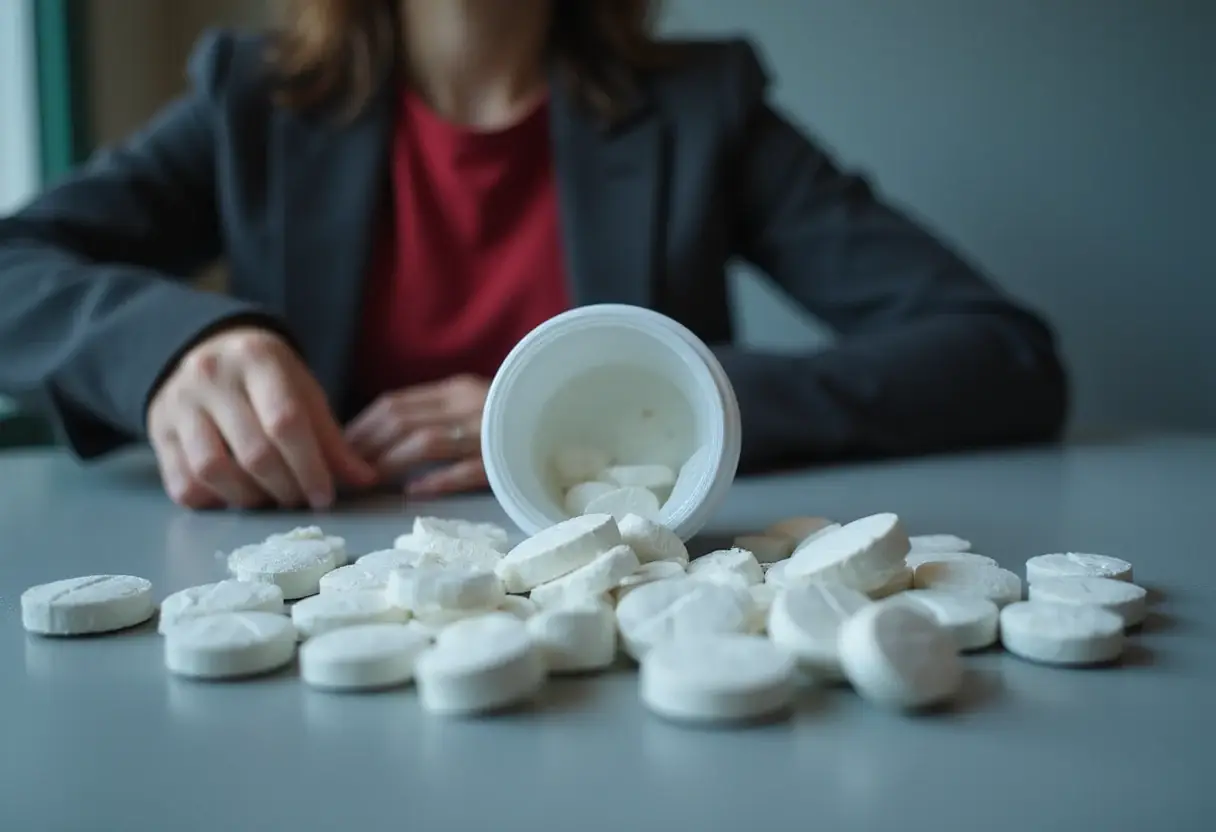
Chocolate Toxicosis in Dogs and Cats: Dose Math Drives Outcomes
Chocolate drove 13.6% of ASPCA Poison Control calls in 2025. Dose calculation, selective decontamination and sign-driven treatment define the current playbook.
Photo: caja / pixabay
Chocolate toxicosis was the most common food exposure reported to ASPCA Poison Control in 2025, and chocolate ranked fourth among all exposures, accounting for 13.6% of every call the center received. For practitioners, that volume translates into a familiar clinical problem: a dog that ate a candy bar, a pan of brownies, or a holiday gift box, and an owner on the phone asking what happens next.
The toxicology of chocolate rests on two methylxanthines — theobromine and caffeine — plus a fat and sugar load that carries its own sequelae. Clinical signs are strictly dose dependent: gastrointestinal upset can appear at any dose, while hyperactivity, tachycardia, tremors and seizures emerge at higher exposures. Food bloat and pancreatitis can follow large-volume ingestion. Prognosis is generally good when decontamination, monitoring and treatment follow a prompt, dose-based risk assessment.
Which species is more sensitive?
Pharmacologically, cats are more sensitive to theobromine than dogs. The median lethal theobromine dose is 200 mg/kg for cats versus 250 to 500 mg/kg for dogs. Median lethal caffeine doses are similar: 140 to 150 mg/kg in dogs and 100 to 150 mg/kg in cats.
In practice, significant feline toxicosis is uncommon. Cats lack sweet taste receptors and rarely choose sweet human foods, so they seldom ingest enough chocolate to reach clinical doses. Large feline ingestions do occur, however, and the same risk assessment applies.
How is the methylxanthine dose calculated?
The calculation is the most important — and most nuanced — step in every chocolate case. Because labeling of chocolate is not strictly regulated, clinicians usually work from average methylxanthine estimates:
- Solid chocolate bars: when the label states a percent cacao, use % cacao × 400 = mg of methylxanthines per ounce.
- Chocolate candies with nonchocolate fillings: estimate roughly one-third chocolate by weight, though the type of candy matters considerably.
- Baked goods: obtain the recipe, count all chocolate sources, and determine what fraction of the batch the patient ate.
Three worked examples from the source illustrate the arithmetic:
- A 20-kg dog ate a 1.55-oz milk chocolate bar. At ~65 mg/oz, the dose was 100.75 mg ÷ 20 kg = 5 mg/kg.
- A 5-kg dog ate 3 oz of 72% cacao dark chocolate (0.72 × 400 = 288 mg/oz). The dose was 864 mg ÷ 5 kg = 172.8 mg/kg.
- A 10-kg dog ate half a pan of brownies containing 2.1 oz of cocoa powder (~790 mg/oz). Half the pan delivered 829.5 mg ÷ 10 kg = 83 mg/kg.
That 5 mg/kg versus 172.8 mg/kg spread — a 34-fold difference across two candy exposures — is exactly why the source calls dose calculation the foundation of triage. History taking should also screen for co-ingestants: xylitol, raisins, THC and psychoactive mushrooms.
When is decontamination warranted?
Not automatically. Decontamination — induced emesis or activated charcoal — is never without risk and belongs only in patients who need it, namely those that ingested 40 mg/kg of methylxanthines or more, or a volume large enough to cause food bloat or significant gastrointestinal upset.
Emesis can recover approximately 40% to 60% of stomach contents and remains useful up to 8 hours after large ingestions. Candidates are patients above 40 mg/kg that are not already vomiting and show no stimulatory signs.
Activated charcoal demands particular caution in chocolate cases. Chocolate is osmotically active and hygroscopic, drawing water into the gut and risking diarrhea and dehydration; charcoal, often paired with an osmotic cathartic, compounds that risk and can precipitate hypernatremia. The source restricts charcoal to asymptomatic, well-hydrated patients that ingested at or above the median lethal methylxanthine dose.
What does treatment look like?
Hospitalization with monitoring is advised for any patient above the level of concern once emesis results are factored in. Treatment is sign-driven:
- Fluids to maintain hydration
- Antiemetics to limit vomiting
- Benzodiazepines or acepromazine for hyperactivity
- β-blockers for tachycardia persisting after stimulatory signs are controlled
- Benzodiazepines or methocarbamol for tremors
- Antiseizure medications for seizures
Any patient receiving charcoal needs monitoring for hemoconcentration and hypernatremia — hypernatremia's signs are easily mistaken for worsening methylxanthine toxicosis.
What about comorbid patients?
Underlying disease shifts the risk calculus. Patients with prior pancreatitis after dietary indiscretion, or with abnormal lipid metabolism, carry a higher risk of acute pancreatitis; the source recommends hospital-based emesis induction and close home monitoring for these animals. Patients with significant cardiac disease are not more likely to develop clinical signs but are more sensitive to them — tachycardia and shifting cardiac output hit harder — so dogs with congestive heart failure warrant close monitoring whenever the level of concern rises. Diabetes mellitus and cardiac disease both raise overall risk for adverse effects.
The bottom line for the exam table: calculate the dose before choosing an intervention, reserve decontamination for patients above 40 mg/kg or large-volume ingestions, and build each monitoring plan around the patient's comorbidities and presenting signs. With that framework, the source concludes, prognosis after chocolate ingestion in dogs and cats is generally good.
Original: aspca.org
Amara Osei
Show full bio
Correspondent covering companies, deals and strategy in Small- and large-animal clinical practice at The Vet Scope.
Related articles
Chocolate Toxicosis in Dogs: Halloween Raises Methylxanthine Risk
Heavy Metals and Glyphosate Found in Nearly All Cat Foods Tested
U.K. Discarded-Drug Poisonings in Dogs Climb 87% Since 2021
Washington State University Team Develops Test to Flag Cat-Toxic Drugs
Cooling Pet Beds Linked to Acrylamide Toxicosis in 45 Dogs