Boettcher Foundation calls new CSU veterinary complex 'exceptional'
The Boettcher Foundation describes a new Colorado State University veterinary complex as an 'exceptional' place to learn and practice medicine. Capital cost, timeline, and service mix are not yet public.
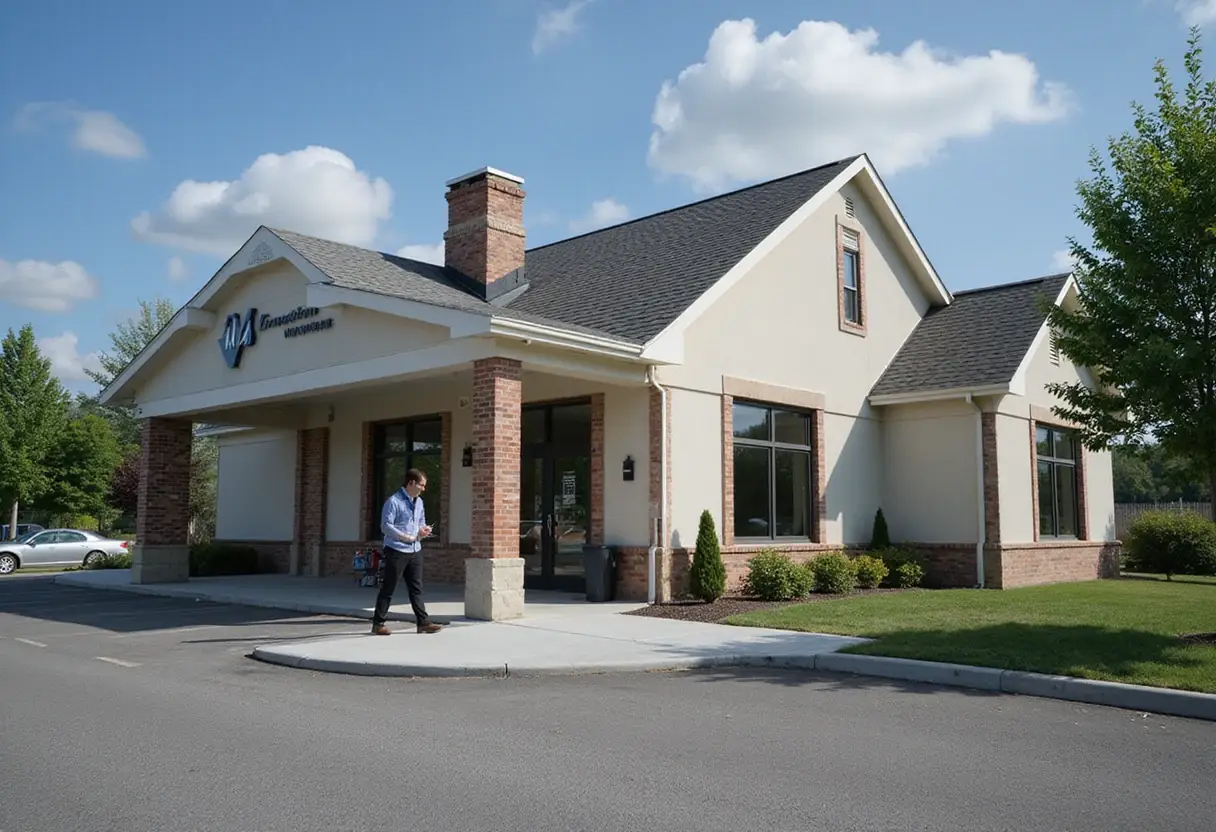
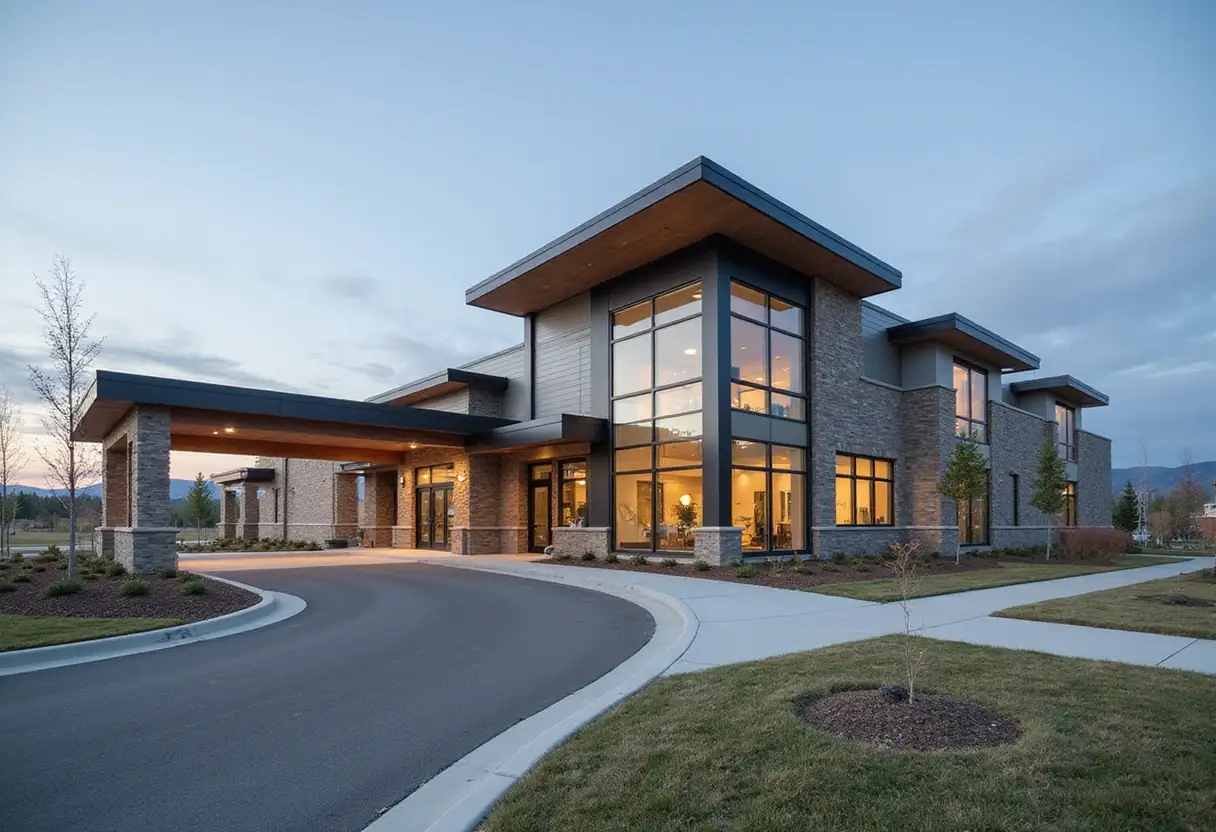
Photo: AI-generated
The Boettcher Foundation has called a new veterinary complex at Colorado State University an "exceptional" place to learn and practice veterinary medicine.
That characterization comes from a Colorado State University release, with the Boettcher Foundation attaching its name to the description. The foundation has historically concentrated its giving on in-state education, biomedical research, and community programs in Colorado. A new veterinary complex at CSU's College of Veterinary Medicine and Biomedical Sciences fits that pattern.
What did the foundation say about the complex?
The Boettcher Foundation described the facility as "exceptional" and identified two functions: a place to learn, and a place to practice. That pairing is the standard framing for academic veterinary medicine, where teaching hospitals run active referral caseloads alongside student rotations. The foundation did not attach the quote to a specific spokesperson in the headline, but the label carries the weight of a major donor's public assessment.
Why does the foundation's endorsement matter?
Foundations rarely attach public language to projects they are not funding. The Boettcher Foundation's public framing of the new complex typically signals a substantive capital relationship. The foundation has previously backed education infrastructure across Colorado. A veterinary teaching complex aligns with that portfolio.
CSU's College of Veterinary Medicine and Biomedical Sciences trains Doctors of Veterinary Medicine alongside graduate researchers. New teaching buildings reshape the daily capacity of clinical-year rotations, which are the bottleneck in most U.S. veterinary curricula. Lecture halls fill easily; clinical slots do not. Any new clinical space at CSU directly addresses that constraint.
What changes for students and regional practitioners?
For fourth-year veterinary students, additional clinical space usually means more rotation slots in high-demand services such as surgery, internal medicine, emergency and critical care, and specialty disciplines like oncology, cardiology, and ophthalmology. Students who train in those services often pursue them as careers, expanding the regional specialist workforce over time.
For referring veterinarians in Colorado, Wyoming, and New Mexico, a new teaching complex typically shortens referral wait times. Teaching hospitals run caseloads with students and residents under specialist supervision, which adds throughput without the same cost pressure as private referral practices. CSU's existing teaching hospital has long served that catchment. A second major facility extends the same model.
For food-animal and equine services, the impact depends on what the new complex actually contains. Large-animal teaching needs handling facilities, dedicated isolation, and outdoor space. If the Boettcher-backed complex absorbs large-animal capacity, it would address a regional gap as Front Range equine and livestock operations have expanded. If the footprint is small-animal only, large-animal infrastructure remains unchanged.
What details are still missing?
The source announcement does not specify the project's capital cost, square footage, construction start, or projected opening date. It does not name the clinical services that will move into the new footprint, nor does it state whether the complex adds large-animal capacity. The Boettcher Foundation's exact role — lead donor, co-funder, or naming-rights holder — is also not specified in the headline.
Those details will determine the project's actual effect on regional veterinary capacity, on the applicant pool CSU can attract, and on the referral market in northern Colorado.
What is the near-term effect?
For now, the announcement establishes a clear signal: a major Colorado donor views additional veterinary training infrastructure as a worthwhile investment, and CSU is the recipient. The next concrete milestone will be the project's published scope, timeline, and capital structure. Until then, the foundation's "exceptional" label sets expectations the eventual building will need to meet.
Source: Google News: Veterinary medicine
Grace Kim
Show full bio
Staff writer covering regulation, policy and their impact on Small- and large-animal clinical practice at The Vet Scope.
Related articles
Colorado State University Opens New Facility Dedicated to Veterinary Medicine and Education
CSU cuts the ribbon on new Veterinary Hospital and Education Complex
Purina Pro Plan Veterinary Funds New Wellness Center at Utah State
Purdue Veterinary College Expansion Targets Workforce Pipeline
NC State Profile Credits Hawkins With Global Surgery Legacy