Boehringer Ingelheim Launches Canada's First Combined PCV2a-PCV2d Vaccine
Boehringer Ingelheim has launched Canada's first combined PCV2a-PCV2d vaccine, a dual-genotype product aimed at commercial swine operations facing shifting porcine circovirus type 2 field pressure.
Updated
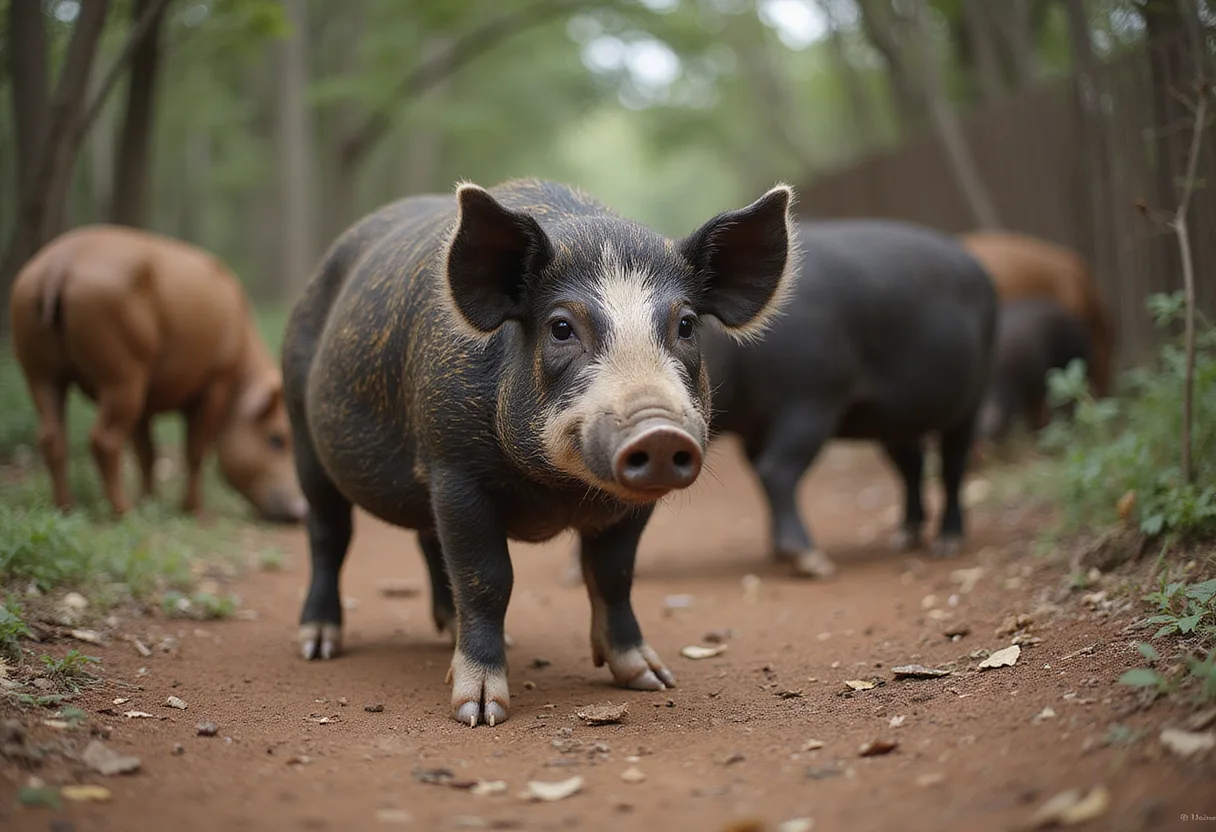
Photo: AI-generated
By Nathan Brooks
Boehringer Ingelheim has introduced Canada's first combination vaccine targeting both PCV2a and PCV2d genotypes, a product the company positions for swine operations navigating evolving porcine circovirus type 2 field pressure.
The vaccine, announced through National Hog Farmer, marks the first dual-genotype PCV2 product unveiled for Canadian use. The launch enters a market where genotype-specific vaccination decisions have become routine among pork producers and their veterinary consultants.
What changes for Canadian swine operations?
The combination formulation addresses a recurring herd-health question: whether to prioritize PCV2a, PCV2d, or both genotypes in a vaccination protocol. PCV2d has been reported as the predominant genotype identified in North American swine diagnostic submissions in recent years, displacing PCV2a as the most frequently isolated strain in many production systems. A single-product option covering both genotypes removes the need for practitioners and producers to choose between monovalent formulations when designing gilt acclimatization, nursery entry, or pre-weaning protocols.
For boar studs, multiplier herds, and breeding-stock suppliers, broad genotype coverage carries particular weight. Replacement gilts moving between operations can carry subclinical PCV2 loads, and broader protection in the receiving herd reduces the risk of clinical breakdown following introduction.
How does the product fit Boehringer Ingelheim's existing portfolio?
The launch extends Boehringer Ingelheim's established swine biologics franchise. The company has held a long-standing position in PCV2 vaccination through its Circumvent product line, which has served Canadian and U.S. swine operations for years. Adding a combination PCV2a/PCV2d product moves the franchise into a segment where genotype coverage has become a more frequent buyer specification.
Canadian pork producers manage PCV2 alongside other production-limiting pathogens. Porcine circovirus-associated disease (PCVAD) presents as systemic illness, respiratory complex involvement, and reproductive failure, and vaccination remains a primary control tool within structured gilt and sow protocols.
What regulatory framework governs the product?
The Canadian swine vaccine market operates under the Canadian Centre for Veterinary Biologics (CCVB) of the Canadian Food Inspection Agency (CFIA), the regulator responsible for licensing veterinary biologics in Canada. Combination PCV2 vaccines have existed in other jurisdictions for several years, and the Canadian arrival narrows a transborder gap in available product options.
What should veterinarians verify before recommending the vaccine?
Practitioners should review the product label for specific indications, approved administration routes, and any withdrawal periods before integrating the new vaccine into existing schedules. Manufacturer field-support materials and technical bulletins typically follow launch announcements within weeks, and producers evaluating the option should request duration-of-immunity claims and any compatibility data with concurrent vaccinations.
The launch signals continued manufacturer investment in PCV2 innovation despite the maturity of the vaccine category. PCV2 vaccination has reached near-saturation in Canadian commercial swine, so differentiation now occurs through combination profiles, duration claims, and cross-genotype coverage rather than first-entrant advantage. Boehringer Ingelheim's entry positions the company to capture herd-health accounts prioritizing genotype breadth, with adoption likely to depend on field-trial data, pricing, and integration with existing farm protocols as distribution expands through Canadian veterinary supply channels.
Source: Google News: Livestock health
Nathan Brooks
Show full bio
Senior reporter covering companies, deals and strategy in Small- and large-animal clinical practice at The Vet Scope.
Related articles
Caribbean Nations Step Up African Swine Fever Preparedness
APHA alerts pig vets to emerging disease tied to new virus variant
Study Compares PCR Methods for Early African Swine Fever Detection
Canada Puts $3.1 Million Into Swine Health Surveillance
Adimmune Enters Animal Health Market With Swine Vaccine