Army Medicine Spotlights Its Animal Care Specialists
Army Medicine has publicly recognized its animal care specialists, the enlisted technicians supporting Army veterinary care — a hiring pool civilian practices know well.
Updated
Photo: bergy59 / pixabay
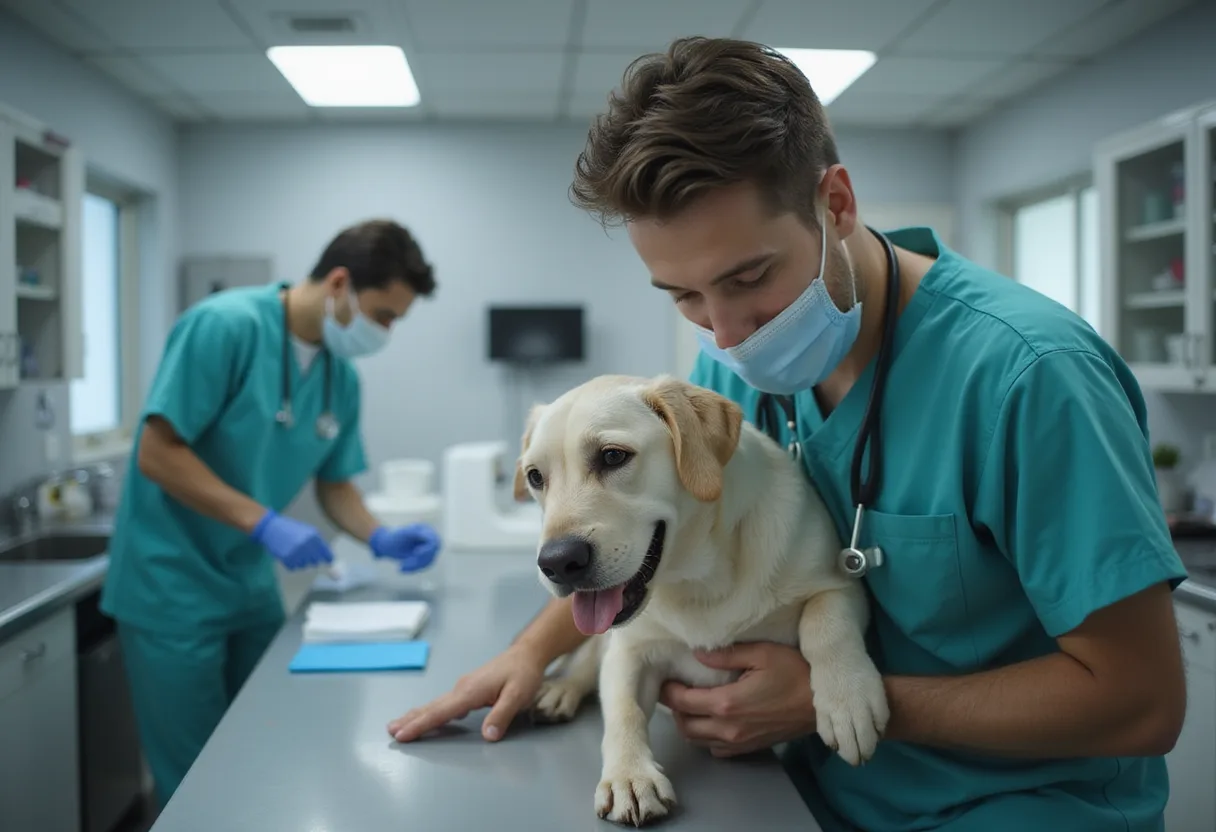
Army Medicine has published a tribute to Army animal care specialists, the enlisted personnel who deliver day-to-day veterinary support to the Army's working animals. The recognition, carried on Army.mil, directs public attention to a role that practitioners in civilian practice rarely see described in detail: the uniformed technician working alongside Army veterinarians.
The story matters for one practical reason. It documents, in the Army's own channel, that animal care within the service rests on a defined specialist career field rather than on incidental labor.
Who are these specialists?
Animal care specialists are enlisted soldiers trained to support veterinary personnel in the care, handling, and treatment of animals owned or employed by the Army. Their duties sit closest to those of a credentialed veterinary technician in civilian practice, though their working environment spans clinics, kennels, and field conditions.
The Army's public recognition does not announce any new policy, equipment, or funding. It affirms the specialty's standing within Army Medicine.
What does the recognition change?
For civilian practitioners, the immediate value is informational. Military service remains one pathway through which technicians gain substantial hands-on experience with large animal caseloads, working dogs, and preventive medicine programs under federal authority.
For the Army, the tribute functions as outreach. Highlighting the specialty supports recruitment and retention in a career field that civilian veterinary medicine competes for directly, given national shortages of veterinary technicians.
Why should civilian practice care?
Transitioning animal care specialists represent a known hiring pool. Practices that recruit from military veterinary formations acquire technicians accustomed to structured protocols, record discipline, and species variety.
The recognition also serves a public-health reminder. Army veterinary units historically contribute to food safety and animal health missions beyond the service's own animals, a scope the tribute implicitly underscores.
No figures, dates, or named personnel appear in the source material beyond the publication itself, so readers should treat this as a profile of a role rather than a report of a change.
The takeaway: Army Medicine is putting its animal care specialists in front of the public, and that visibility may ease their passage into civilian veterinary teams.
Source: Google News: Veterinary medicine
Elena Vasquez
Show full bio
Market editor covering money, funding and market shifts around Small- and large-animal clinical practice at The Vet Scope.
Related articles
AAHA Spotlights Veterinarian Devoted to Working Dog Teams
AVMA extends its commitment to veterinary technician support
AVMA marks National Veterinary Technician Week, October 18-24
Why Veterinary Medicine's Future Hinges on Its People, Not Just Its Tools
Veterinary Authorization to Practice: Origins, Milestones, Open Questions