98% of U.S. Pet Owners Report Health Benefits From Their Animals
HABRI's 2026 benchmark survey finds 98% of pet owners report health benefits, with strong bonds linked to higher vaccination and veterinary visit rates.
Updated
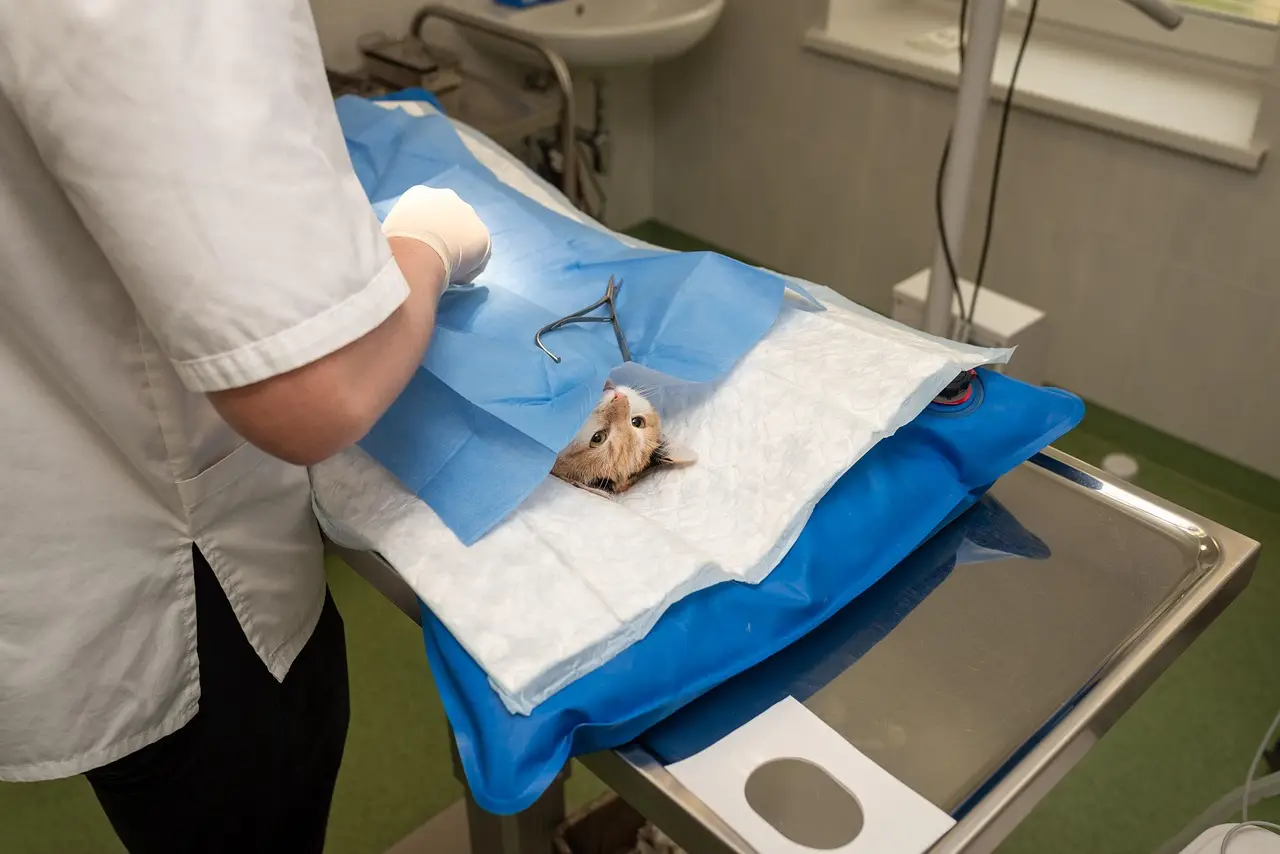
Photo: ZigmarsBerzins / pixabay
Ninety-eight percent of U.S. pet owners report at least one health benefit from their animals, according to the Human Animal Bond Research Institute's 2026 Human-Animal Bond Benchmark Survey of Americans. The figure anchors a national dataset that also shows awareness of the human-animal bond has widened sharply since HABRI's previous benchmark in 2021.
The survey drew on a nationally representative online sample of U.S. adults aged 18 and older. HABRI reports the design as a perception benchmark: self-reported responses measure associations, not causal relationships between pet ownership and health outcomes.
How much has awareness grown?
Ninety-seven percent of Americans now recognize at least one research-backed benefit of the human-animal bond. The average respondent identified 18 distinct health benefits, up from 12 in the 2021 survey.
The most widely recognized benefits were:
- Easing loneliness — 92 percent
- Reducing depression — 89 percent
- Reducing stress — 88 percent
- Helping people cope with difficult life situations — 87 percent
For practitioners, the shift means clients increasingly arrive with the expectation that pets carry documented health value, not merely companionship.
Does bond awareness change veterinary behavior?
The survey suggests it does. Among pet owners, 94 percent said knowledge of human-animal bond research made them more likely to spend time with their pets, and 91 percent said that knowledge encouraged them to maintain their animals' health, including regular veterinary checkups.
The strength of the bond tracked with preventive care metrics. Owners reporting the strongest bonds were more likely to have a veterinarian (94 percent versus 86 percent) and to keep vaccinations current (84 percent versus 77 percent).
The practical reading for clinics: clients who understand the science behind the bond show measurably higher engagement with routine care. Practices that communicate that research may see it reflected in visit frequency and vaccine compliance.
Who owns pets, and who wants to?
Seventy-four percent of Americans currently own at least one pet, and another 15 percent intend to acquire one. Support for pet-inclusive policies is broad: 83 percent of Americans favor pet-friendly public spaces, and 80 percent support fewer restrictions on pets in rental housing.
The barrier data matter for practice-level planning. Among prospective owners:
- 37 percent cite the overall cost of pet ownership as a concern
- 29 percent worry about finding pet-friendly housing
HABRI frames these findings as openings to support responsible ownership through improved housing access and better preparation for the financial and practical demands of animal care. Veterinary teams that address cost transparency and housing-related constraints directly are positioned to convert hesitant prospective owners into prepared ones.
What are the survey's limits?
The online format and self-reported design constrain interpretation. Respondents described perceptions and associations; the survey cannot establish that pet ownership causes the reported health outcomes. Even with that caveat, the benchmark offers the profession a current map of client attitudes at a moment when 89 percent of the public already associates pets with reduced depression.
HABRI has posted the full findings at habri.org/pet-owners-survey. Future benchmark cycles will show whether the rise in recognized benefits — from 12 to 18 in five years — continues, and whether awareness gains keep translating into stronger preventive care compliance.
Original: habri.org
Daniel Okafor
Show full bio
News editor covering technology and product news in Small- and large-animal clinical practice at The Vet Scope.
Related articles
Cats Gain on Dogs as U.S. Pet Spending Contracts, Forcing Clinic Rethink
Spectrum of Care Reaches Exotic Practice as Owner Costs Climb
Ceva Animal Health Accelerates US Companion Animal Push
New Study Says 99% Dog Behavior Figure Was Overstated
Vet Times roundup: end-of-life, hypotension, kennel cough vaccine