3D-Printed Compounded Medications Arrive in Veterinary Medicine
DVM360 reports that 3D-printed compounded medications have entered veterinary practice, a first that could reshape precision dosing for small patients and narrow-margin drugs.
Updated
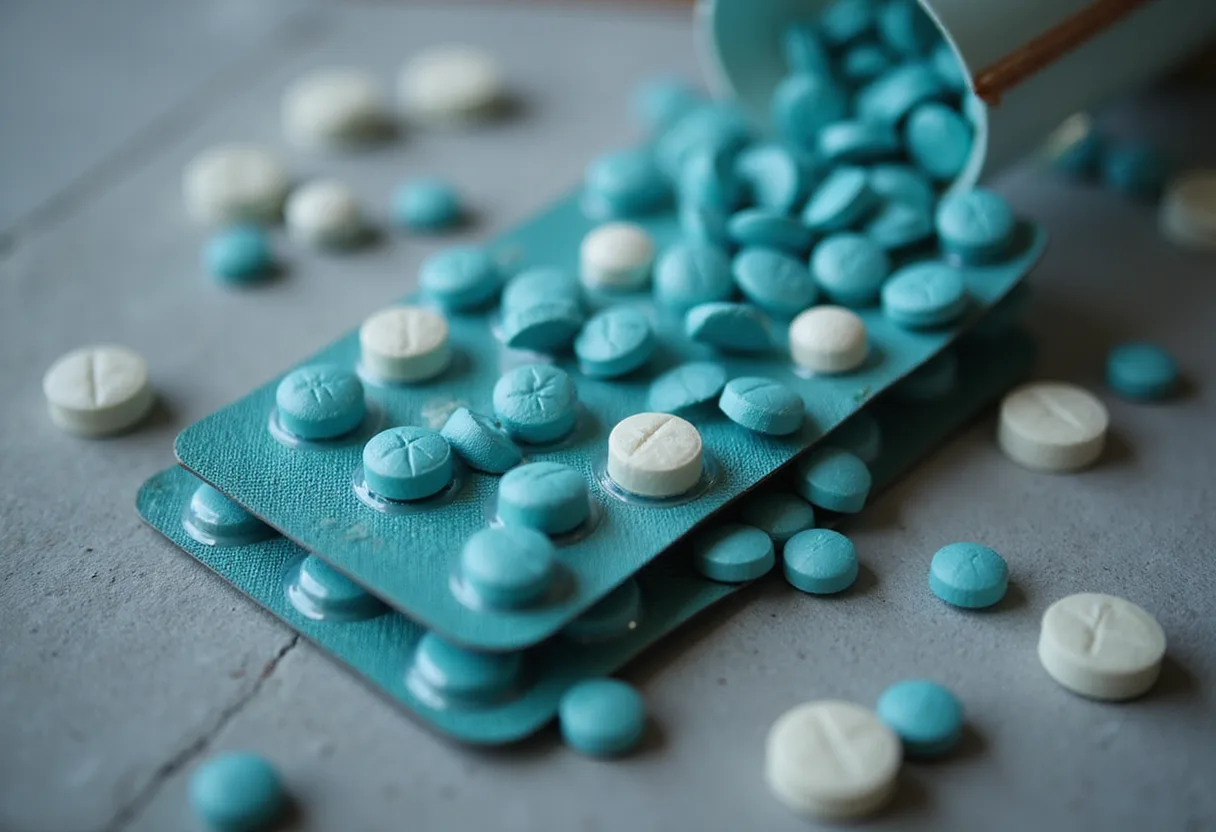
Photo: AI-generated
A new technology has brought 3D-printed compounded medications into the veterinary space, according to a report from DVM360 — a first for a profession where off-label dose adjustments have long depended on manual splitting, crushing, and reformulating human-market tablets.
The details matter, and at publication time the source report itself carries only the headline. What follows is what the development means for practice, grounded strictly in what the announcement states: additive manufacturing — printing a drug product layer by layer — has entered veterinary compounding.
Why does printing a tablet change anything at the exam table?
Compounding exists because most drugs are manufactured for humans or for food animals at fixed strengths. A 4 kg cat, a 30 kg Border Collie, and a 60 kg Great Dane do not share a dose. Practitioners routinely bridge that gap by splitting tablets, compounding suspensions, or prescribing multiples of the smallest commercial unit.
Each workaround carries risk. Split tablets deliver uneven amounts. Suspensions settle, degrade, and get refused. Multiplying tablets raises cost and owner-error rates. A printer that fabricates a tablet at the exact strength a patient needs removes several of those failure points in a single step, because the dose is built into the geometry of the product rather than adjusted by hand at the bench.
What is the mechanism?
3D printing of oral dosage forms deposits drug and excipient material layer by layer under digital control. Change the digital file, and the printed tablet changes — its mass, its drug load, its shape, its dissolution profile. In human pharmacy, regulators including the FDA have examined printed dosage forms for years; the technology is best known for products such as Spritam, the FDA-approved 3D-printed levetiracetam tablet marketed for human epilepsy patients since 2015.
The veterinary announcement DVM360 reports now applies that manufacturing logic to compounded — not FDA-approved — veterinary preparations. The distinction is regulatory, not rhetorical. Compounded drugs are not approved products. In the United States, animal compounding falls under FDA Center for Veterinary Medicine rules governing the Animal Medicinal Drug Use Clarification Act for prescriptions, and under state pharmacy boards. Printed compounded medications would sit in that same category unless and until a sponsor takes a printed product through approval.
Which patients stand to benefit first?
No species list, drug list, or launch date appears in the source announcement. But the cases where precision dosing pays off are well defined in everyday practice:
- Small patients on potent drugs — cats and toy-breed dogs needing strengths below the smallest commercial tablet
- Chemotherapy and narrow-therapeutic-index agents, where a rounding error is clinically meaningful
- Patients refusing liquids, where a printed, palatable, single-strength solid replaces a suspension
- Exotic and zoological medicine, where no marketed strength exists for the species at hand
For food-animal practitioners, the calculus is stricter. Any printed compounded preparation used in a food-producing animal still carries the same residue, withholding, and prohibited-use constraints that govern all compounding under AMDUCA and FDA CVM policy. Printing does not exempt a drug from those rules.
What should practices watch now?
The announcement raises immediate operational questions a clinic should ask before stocking or prescribing a printed compound: who holds the pharmacy license, what potency and uniformity testing supports each printed batch, and what beyond-use dating applies. Those questions are the standard compounding due-diligence questions — printing changes the manufacturing method, not the regulatory framework.
Cost and turnaround are the commercial unknowns. Traditional compounding already delivers customized strengths; a printed product must beat it on speed, consistency, or price to gain share. The source report does not state pricing, availability, or the first product categories, so practices should treat this as an early-stage entry rather than a catalog change.
For now, the concrete fact is the one in the headline: 3D-printed compounded medications have arrived in veterinary medicine. Watch for the first named products, strength lists, and pharmacy partnerships — those disclosures will show whether the technology stays a niche service or reshapes how customized doses reach the exam room.
Source: Google News: Veterinary drugs
Grace Kim
Show full bio
Staff writer covering regulation, policy and their impact on Small- and large-animal clinical practice at The Vet Scope.
Related articles
Compounded Medications in Veterinary Practice: Rules, Risk, Results
Quarterable Previcox tablets expand dosing options for dogs
FDA CVM Pilot Targets Domestic Animal Drug Manufacturing
US Launches Pilot Program to Boost Domestic Veterinary Drug Production
Pharmacy Times Examines Pharmacists' Roles in Veterinary Medicine