World Zoonoses Day Turns Spotlight on South Africa's Zoonotic Disease Burden
World Zoonoses Day, observed every July 6, has drawn renewed calls in South Africa for urgent action on animal-to-human diseases.
Updated
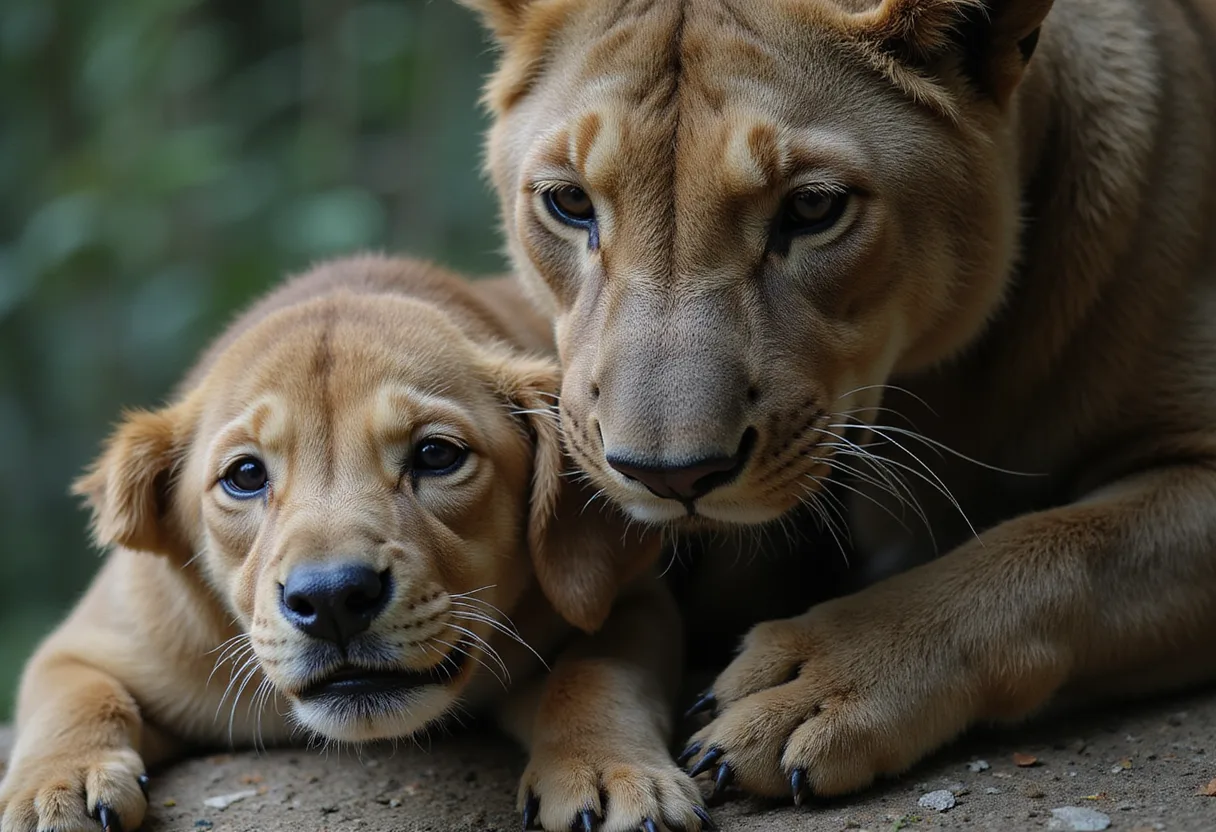
Photo: AI-generated
World Zoonoses Day, marked each year on July 6, has prompted a fresh call in South Africa for urgent action on zoonotic diseases — infections that pass between animals and humans and that place both clinical veterinary practice and public health systems under sustained pressure.
The observance, which commemorates July 6, 1885 — the date Louis Pasteur administered the first rabies vaccine to a human — now functions as an annual checkpoint on how countries are managing diseases that originate in animal populations and spill over into people. In South Africa, advocates of the observance argue the country's situation warrants higher prioritization.
Why does zoonotic disease demand urgency in South Africa?
South Africa's animal-human interface is unusually broad. The country combines dense livestock operations, thriving subsistence farming, abundant wildlife reservoirs, and growing human settlements that push into previously rural land. Each of those contact points is a potential route for pathogen transmission.
Zoonotic diseases are, by definition, shared problems. Rabies — the very disease Pasteur's vaccine addressed — remains endemic in parts of South Africa and continues to cause human deaths, most often through dog bites in communities with low canine vaccination coverage. The annual World Zoonoses Day message from South African commentators is that the country cannot treat animal health and human health as separate files.
What does this mean for practicing veterinarians?
For clinicians, the zoonotic disease question arrives at the exam table in concrete ways:
- A dog presented for a bite wound in a rabies-affected area triggers a public-health protocol, not just wound management.
- Livestock abortions in a herd raise brucellosis on the differential — a diagnosis with direct consequences for farm workers and consumers.
- Backyard poultry and companion birds bring avian pathogen considerations into small-animal and exotic practice.
Veterinarians in South Africa sit at the front line of detection. They are frequently the first professionals to see the animal-side signal of a pathogen that has not yet surfaced in human clinics. That surveillance role — reporting suspected notifiable disease to veterinary authorities — is the operational hinge between animal medicine and public health.
How does the One Health framing change practice?
World Zoonoses Day messaging consistently emphasizes the One Health approach: coordinated work among veterinary, human medical, and environmental sectors. For South Africa, that coordination is not academic. The country's disease landscape spans companion animals, production animals, and wildlife, and a pathogen emerging in any one of those populations can move quickly to the others — and to people.
The practical implications divide along species lines:
- Companion animals: Rabies vaccination of dogs remains the single most consequential zoonotic intervention available to small-animal practitioners. Maintaining herd-level coverage in dogs is what protects human communities.
- Food animals: Production-animal veterinarians carry the responsibility for zoonoses that travel through the food chain, from farm-level control to slaughter-stage inspection.
- Public health: Every confirmed animal case of a zoonotic pathogen is a signal to human health authorities. The speed of that signal moving between sectors determines outbreak size.
Why the date itself matters
July 6 marks the anniversary of Pasteur's 1885 administration of the rabies vaccine to Joseph Meister, a boy bitten by a rabid dog. That single intervention established the principle that zoonotic threats can be met with tools developed through veterinary and biomedical science. Rabies remains the template zoonosis: a disease that is nearly 100% fatal once symptoms appear in humans, yet almost entirely preventable through animal vaccination.
The choice of that anniversary for World Zoonoses Day is deliberate. It frames zoonotic disease control as a solved-and-unsolved problem — solved in the sense that vaccines and diagnostics exist, unsolved in the sense that delivery systems, surveillance, and inter-sector coordination still lag in many regions, including parts of South Africa.
What lies ahead
The South African commentary surrounding this year's observance makes clear that awareness alone is not the endpoint. Reducing the zoonotic disease burden will require sustained investment in animal health infrastructure, stronger reporting pipelines from clinics and farms to national authorities, and vaccination programs that reach the communities where spillover risk is highest.
As each July 6 passes, the measure of progress will be not in statements but in case counts, vaccination coverage figures, and the response time between an animal-side signal and a public-health action.
Source: Google News: Zoonotic disease
Grace Kim
Show full bio
Staff writer covering regulation, policy and their impact on Small- and large-animal clinical practice at The Vet Scope.
Related articles
India Convenes National Consultation on Zoonoses Action Plan
World Zoonoses Day returns July 6 with a One Health reminder
Rwanda Targets Zero Rabies Deaths by 2030 Through One Health
WHO Commends Indonesia's One Health Leadership on Zoonoses
Stakeholders Pledge One Health Framework to Curb Zoonotic Disease