Veterinary Prices Up 47% Since 2019 as 57 Million Visits Vanish
Veterinary prices rose 47% since 2019 while visits fell 57 million below trend, and 73% of cost-burdened clients were never offered a cheaper alternative.
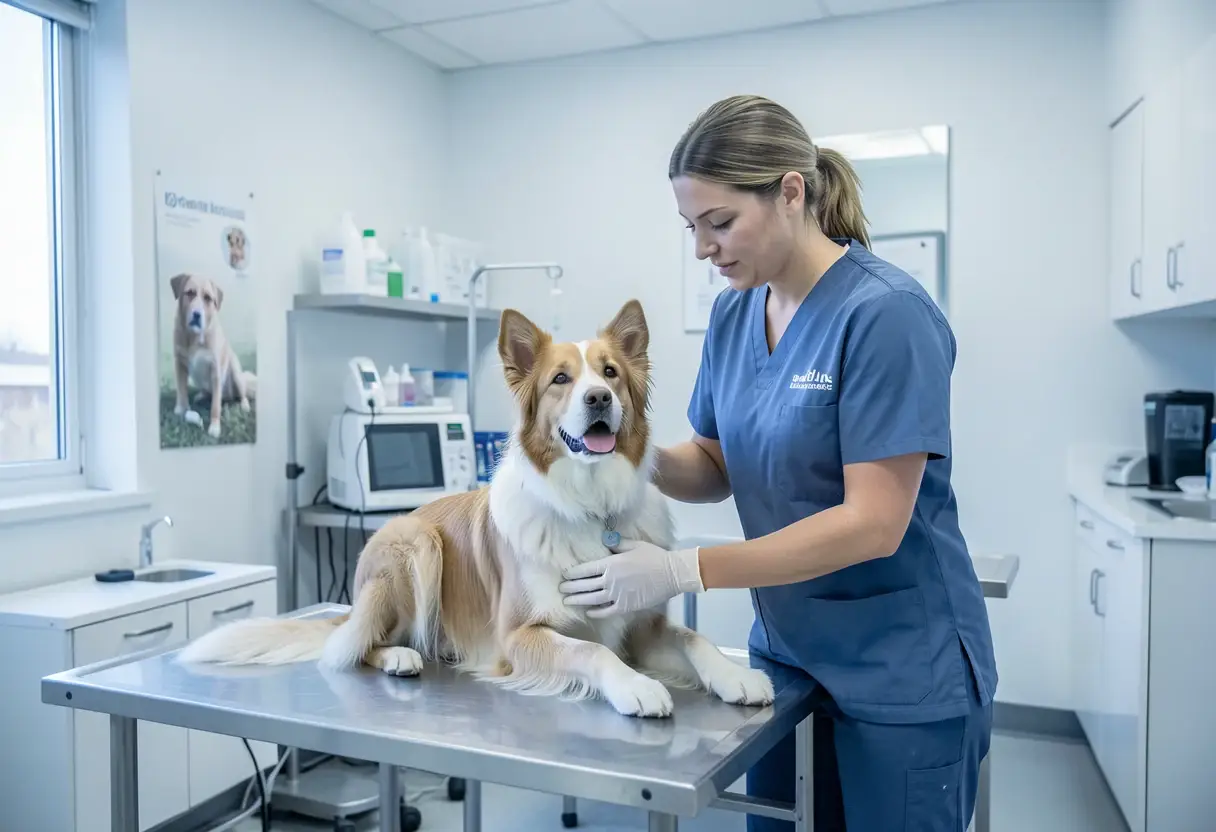
Photo: AI-generated
Veterinary prices have climbed 47% since 2019 against 26% for general consumer prices — a 21-percentage-point divergence that has not reversed — and companion animal visits have fallen in every measured year since 2022, totaling roughly 57 million fewer visits than the 2021 peak would have predicted.
That is the core finding of an analysis drawing on 29 years of Bureau of Labor Statistics Consumer Price Index data (1997–2025), visit-volume records from more than 6,000 Vetsource-connected practices, and two national PetSmart Charities–Gallup surveys of pet owners and veterinarians.
What changed in the price data?
From 1998 through 2021, veterinary service prices ran about 2.3 percentage points above general inflation in an average year — a gap practices and clients absorbed for two decades. Veterinary inflation then jumped to 8.83% in 2022 and 9.44% in 2023. General inflation ran nearly as hot in 2022, at 8.0%, so the gap widened sharply in 2023, when general inflation cooled to 4.1% and veterinary prices kept climbing.
Statistically, 2022 marks a real break from the prior pattern rather than year-to-year noise. The analysis concludes the profession sits on a new, steeper price baseline, not a postpandemic blip.
How much care is actually being delivered?
Nominal spending on veterinary services rose 55.6% from 2019 to 2024, according to Bureau of Economic Analysis data. Adjusted for the price increases themselves, real growth in services delivered was only 12.6%. Most of the apparent revenue growth is price, not more care provided.
Visit volume across the Vetsource sample declined each year from 2022 through 2025. A practice can post growing revenue while delivering fewer real service units than it did in 2019 — a distinction that matters directly for staffing and capacity planning.
Which visits are clients skipping?
The composition of the decline has shifted. In 2023, elective services took the hit: surgery and dental visits fell close to 4%, while wellness and sick visits barely moved. By 2025, wellness visit volume fell 3.8%, outpacing the 3.1% overall decline.
Clients appear to be protecting acute care and giving up preventive care first — vaccines, parasite prevention, wellness diagnostics. That is the category with the biggest long-term payoff for the patient and the biggest blind spot for problems caught late.
Is the problem price or communication?
The survey data point to a communication gap that practices can act on directly:
- 52% of pet owners said they had skipped or declined needed care in the past year; 71% of them named cost as the reason.
- Among those who declined care because of cost, 73% said no one offered them a lower-cost alternative.
- Across all pet owners, fewer than one in four (23%) said they had ever been offered a payment plan.
- 94% of veterinarians surveyed said clients' financial considerations sometimes or often prevent recommended treatment.
- 64% of pet owners said an interest-free, one-year payment plan for lifesaving care would let them at least double what they could afford to spend.
A separate study published in Animals in 2024 found that practitioners with 20 or more years in the field were less likely to offer spectrum-of-care options to clients with financial limitations.
What does this mean at the exam table?
The analysis closes with four practice-level recommendations:
- Build the cost conversation into every estimate, not only the ones where the client flinches. If tiered options are not offered by default, most clients will not ask.
- Protect the wellness visit specifically — the category eroding fastest and the one most amenable to payment plans, bundled pricing, or an insurance conversation held at a wellness visit rather than in a crisis.
- Do not assume experience equals comfort with spectrum-of-care conversations; the survey data suggest the opposite, which frames the fix as training rather than awareness.
- Track real, not nominal, revenue when making staffing and capacity decisions.
The author is explicit about limits: the data do not prove price alone drives the visit decline. Workforce shortages and shrinking appointment capacity are almost certainly part of the picture, and the analysis cannot cleanly separate the two. But the client-side and practice-side surveys point the same direction — much preventive care is declined not because clients do not value it, but because a cheaper path was never put on the table.
Source: dvm360.com
Nathan Brooks
Show full bio
Senior reporter covering companies, deals and strategy in Small- and large-animal clinical practice at The Vet Scope.
Related articles
AVMA: Pet Owners Prioritize Veterinary Spending Despite Economic Pressures
U.S. Pet Industry Hits $158 Billion in 2025, APPA Reports
Only 7% of consumers would cut pet health spending, Elanco survey finds
Who Are the 'Lost Pet Owners'? A Quarter of Households, Quantified
Companion Animal Diagnostics to Reach $5.40B by 2031, Up From $3.56B