UK VMD updates QR code guidance for veterinary medicine packaging
The UK VMD has updated guidance on QR codes for veterinary medicine packaging, changing how practices and clients access authorised product information.
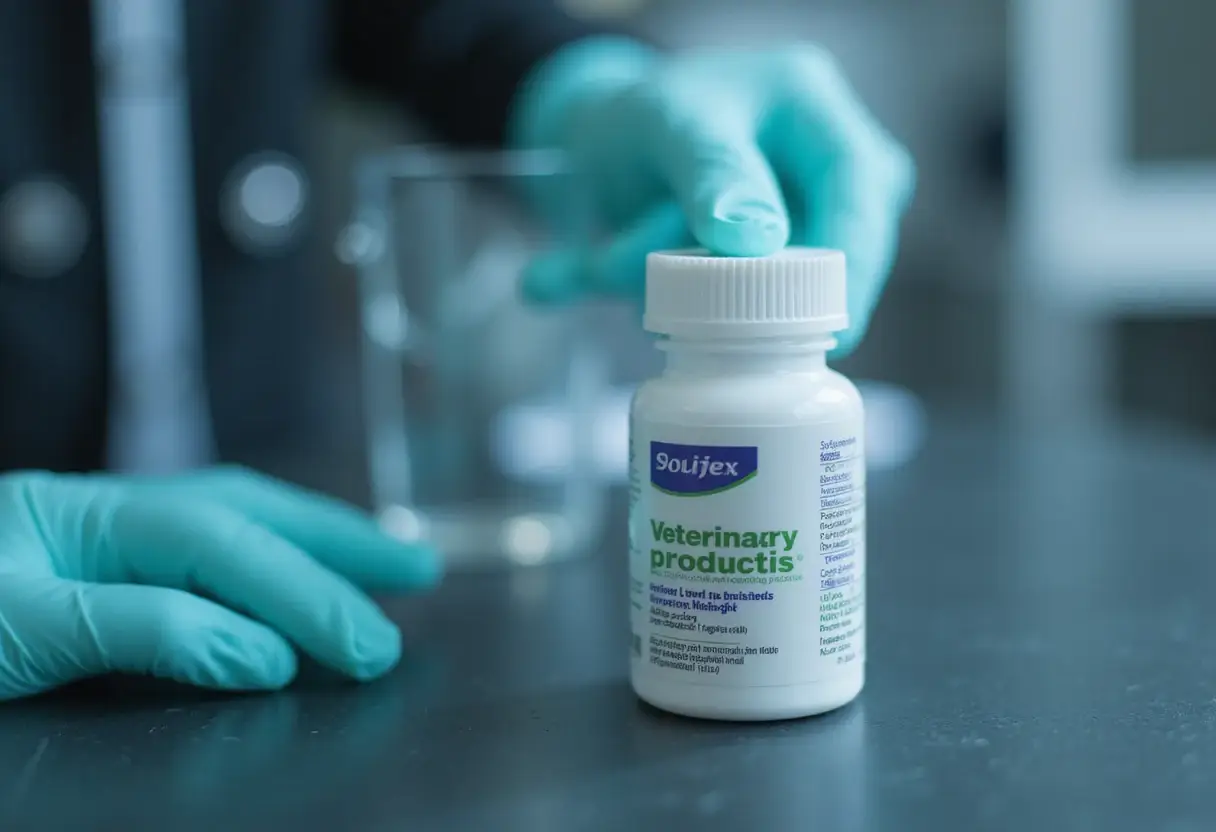
Photo: AI-generated
The Veterinary Medicines Directorate (VMD) has updated its guidance covering QR codes on veterinary medicinal product packaging, a change that reaches directly into how UK practices and pharmacists verify product information at the point of dispensing.
The update, published on GOV.UK, revises the regulator's expectations for placing QR codes — and other forms of electronic product information — on the packaging of authorised veterinary medicines. QR codes on packs are designed to link dispensers and animal owners to current, regulator-approved product details, including summaries of product characteristics, rather than to out-of-date printed inserts.
Why does this matter at the dispensing counter?
For practices, the practical effect sits at the point of sale. A QR code on a pack lets a veterinary surgeon, a veterinary nurse or a trained receptionist pull up the authorised product information on a phone in seconds. That matters most when a label change, a warning or a batch-specific notice has landed after the physical packaging was printed.
It also matters for client communication. An owner scanning a pack in the car park receives the same authorised information the practice relies on, not a search-engine result of uncertain provenance.
The VMD, an executive agency of the UK government's Department for Environment, Food and Rural Affairs (Defra), regulates veterinary medicines in Great Britain and authorises the products UK practices dispense. Guidance documents of this kind do not create new legal obligations on their own; they explain how the agency expects marketing authorisation holders to comply with the existing framework.
Who must act?
The primary audience is the pharmaceutical industry, not the clinic. Marketing authorisation holders decide what appears on packaging, and any change to a pack — including the addition of a QR code — passes through the regulatory process the VMD administers.
Practices will feel the change downstream. As companies align their packaging with the updated guidance, QR codes are likely to appear on a growing share of packs moving through UK wholesale and pharmacy channels. Staff who dispense should know what the codes link to, and practices that counsel clients on product use can point owners to the code as an authoritative source.
The guidance sits alongside the VMD's wider work on electronic product information for veterinary medicines, a strand of policy that follows similar movements in human medicines regulation, where pack-linked digital information is now standard across the EU and UK.
What does this change for each sector?
Companion animal: Owners increasingly expect to scan and read. QR-linked information gives small-animal practices a defensible answer when clients ask about side effects, storage or withdrawal of flea, worming or chronic-therapy products.
Food animal: Accurate, current product information supports correct withdrawal-period checks on farms. A vet scanning a pack in the barn can confirm the authorised details before treating animals whose milk or meat enters the food chain.
Public health: Directing professionals and owners to regulator-approved sources reduces the risk of dosing or administration errors based on stale or unverified information found online.
The takeaway
Guidance changes rarely make headlines, but this one shapes what arrives on practice shelves. Practices should expect more scannable packs, brief staff on what the codes deliver, and treat the linked information as the version of record.
How quickly packaging across the UK product range reflects the updated guidance will depend on individual authorisation holders' timelines and their next packaging revision cycles.
Source: Google News: Veterinary drugs
Elena Vasquez
Show full bio
Market editor covering money, funding and market shifts around Small- and large-animal clinical practice at The Vet Scope.
Related articles
KVP Acquires SafePath, Expanding Its Veterinary Diagnostics Footprint
EMA's CVMP Convenes 6–8 October 2026: What Was on the Agenda
Wolters Kluwer rolls out veterinary medication data solution for pharmacies
Ukraine overhauls rules for registering veterinary drugs
UK regulator completes in-depth review of canine osteoarthritis injections