Single Amino Acid at Lysine 66 Governs Swine Fever Virus Immune Evasion
Lysine 66 on the Npro protein regulates ubiquitination-dependent degradation and innate immune evasion of classical swine fever virus, researchers report in Veterinary Microbiology.
Updated
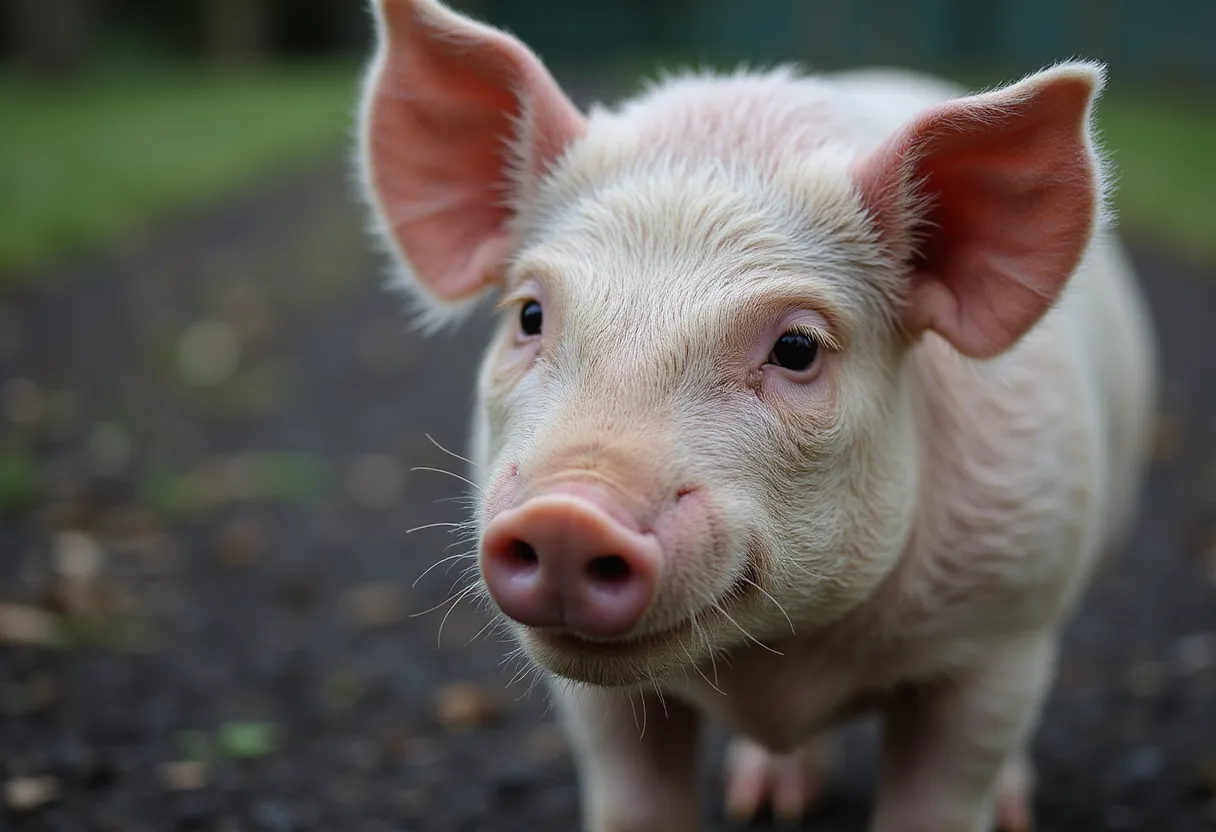
Photo: manfredrichter / pixabay
A single residue — lysine 66 on the N protein — regulates how classical swine fever virus (CSFV) evades the innate immune system, according to a study published online on 19 October 2026 in Veterinary Microbiology.
The finding identifies a precise molecular target on one of the most economically damaging viruses affecting swine worldwide. The research team — Lei Zhou, Xiao Han, Yifan Weng, Tong Cao, Jidong Xu, Yongqi Shao, Weihuan Fang and Xiaoliang Li — reports that this lysine position on N governs ubiquitination-dependent degradation, the cellular process by which proteins are tagged and destroyed.
Why does one residue matter?
Classical swine fever remains a notifiable disease with severe consequences for pig production and trade. The virus persists in part because it suppresses the earliest layer of host defense: innate immunity.
The N protein has long drawn attention as a viral countermeasure against antiviral responses. This study narrows the mechanism to a specific amino acid. Lysine 66, the authors report, acts as the site through which ubiquitination-dependent degradation is regulated — and, with it, the virus's ability to evade innate immune detection.
Ubiquitination typically marks proteins for destruction by the cellular proteasome. When a virus manipulates that tagging system at a defined lysine, it can redirect degradation toward host antiviral factors while sparing its own machinery. Pinpointing the residue gives researchers a discrete molecular handle.
What could change at the bench?
For swine practitioners, the immediate value is upstream rather than at the exam table. A defined residue controlling immune evasion offers:
- a candidate target for attenuated vaccine design, where engineered mutations at lysine 66 could weaken the virus's ability to suppress host defenses;
- a marker for studying virulence differences among CSFV strains circulating in the field;
- a tool for antiviral research aimed at blocking ubiquitination-dependent evasion.
Any vaccine or therapeutic application remains distant. No regulatory authority — whether FDA CVM, EMA or a national veterinary agency — has an approved product tied to this mechanism, and the study describes molecular work, not clinical trials in animals.
The road ahead
By connecting a single amino acid to both protein degradation and immune escape, the study gives CSFV researchers a concrete variable to test in vaccine constructs and virulence studies. Work that follows will determine whether modifying lysine 66 can produce a virus that provokes strong immunity without suppressing it.
Source: Veterinary Microbiology (Elsevier)
Nathan Brooks
Show full bio
Senior reporter covering companies, deals and strategy in Small- and large-animal clinical practice at The Vet Scope.
Related articles
ASFV Protein R298L Blocks Innate Immune Pathways, Study Finds
CASTOR2 Restricts PRRSV Entry via AKT-mTOR Pathway, Study Finds
Study Compares PCR Methods for Early African Swine Fever Detection
Single gB Point Mutation Boosts Duck Plague Virus Fusion, Study Finds
Caribbean Nations Step Up African Swine Fever Preparedness