Rumen-protected methionine trial results land in Journal of Dairy Science
A Journal of Dairy Science study published October 9, 2026, tests whether a rumen-protected methionine product improves amino acid balance and lifts milk components in lactating dairy cows.
Updated
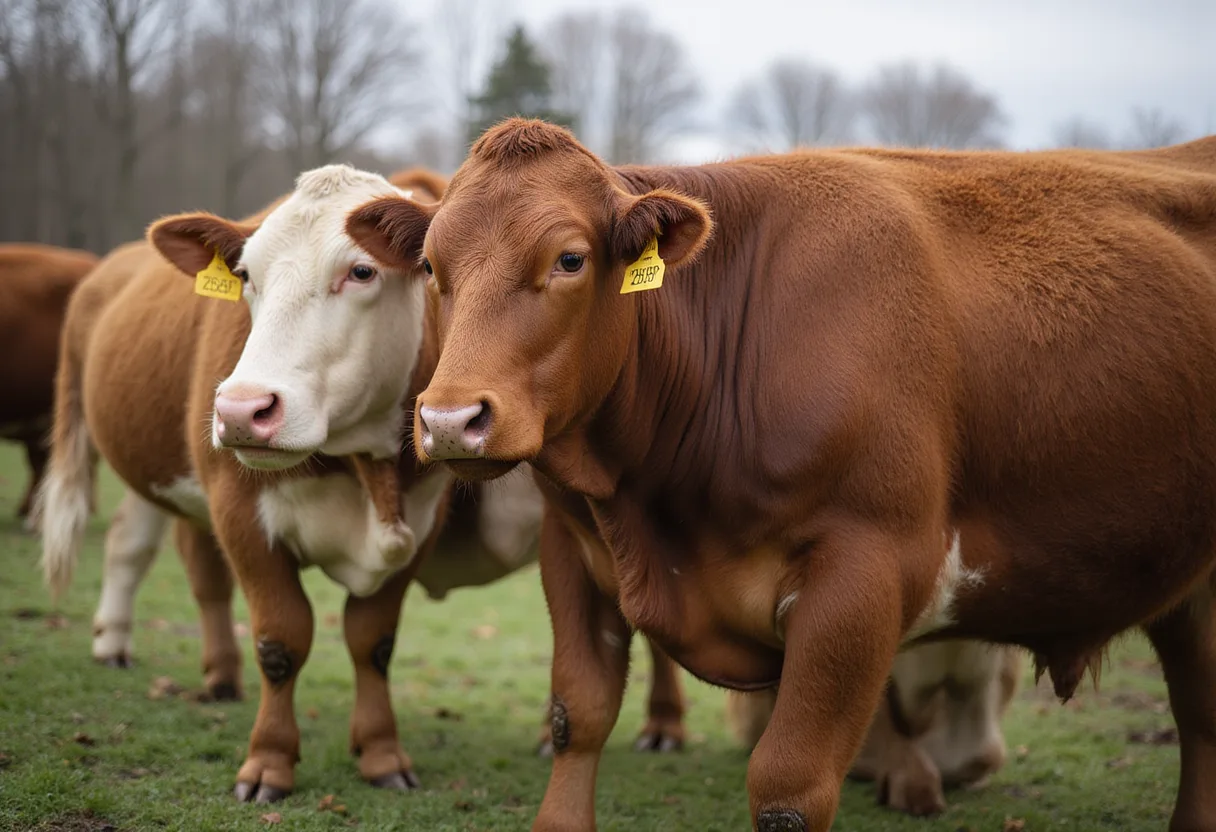
Photo: AI-generated
The Journal of Dairy Science published online on October 9, 2026, the results of a controlled evaluation of a rumen-protected methionine product in lactating dairy cows. The study tested whether supplementing the protected amino acid improves the metabolizable amino acid balance of the diet and raises milk fat and protein percentages — the two components that drive most dairy paychecks.
The paper carries the title "Evaluation of a rumen-protected methionine product to improve amino acid balance and increase milk components in lactating dairy cows." Its author list pairs academic and industry researchers: A.C. Benoit, P.A. LaPierre, T. Danese, A.B.P. Fontoura, D.M. Barbano, O.R. Drehmel, J.J. Albrecht, P.S. Yoder, M.F. Scott, and M.E. Van Amburgh.
That last name matters to nutritionists. Mike Van Amburgh of Cornell University has spent decades refining the metabolizable protein and amino acid requirement models used in dairy ration formulation. When his group turns its attention to a specific commercial product, practitioners read the paper closely.
Why does methionine protection matter?
Methionine is typically the first-limiting amino acid in lactating cow diets built around corn silage and alfalfa. Feed free methionine, and rumen microbes degrade most of it before the small intestine can absorb it. Protection technologies — coatings, prills, or encapsulation — shuttle the amino acid past the rumen intact, raising the amount that actually reaches the cow's metabolism.
That mechanism is the entire commercial premise of rumen-protected methionine. The practical questions have always been whether a given product delivers enough post-ruminal methionine to shift the metabolizable amino acid profile, and whether that shift shows up in the tank: in milk protein percentage, milk fat percentage, and component yields that processors pay on.
The co-authorship of D.M. Barbano, a dairy foods chemist, signals that the team measured milk composition with analytical rigor — relevant because component claims live or die on measurement precision.
What did the study examine?
According to the published title and abstract record, the trial evaluated the product on two fronts:
- Amino acid balance: whether supplementation moved the metabolizable amino acid profile of the lactation diet closer to requirement estimates.
- Milk components: whether treated cows produced higher milk fat and protein than unsupplemented controls.
The full text carries the design details — cow numbers, treatment structure, feeding rates, and statistical outcomes. Nutritionists and veterinarians advising dairy clients should read the full paper in the Journal of Dairy Science before extrapolating the results to specific herds, because transferability depends on the basal diet the researchers used and on the dose they tested.
What does this mean at the feed bunk?
For dairy practitioners and nutrition consultants, the publication adds a peer-reviewed data point to a crowded methionine market. Protected methionine products differ in rumen escape fraction and intestinal release; results from one product do not transfer automatically to another. The relevant practice-level question is whether this specific product, at its tested inclusion rate, returned measurable component gains that exceeded its cost per cow per day.
Component pricing makes that math concrete. In most Federal Milk Marketing Orders, a 0.1-percentage-point change in milk protein or fat translates into real dollars per hundredweight. A product that reliably lifts components can pay for itself; one that does not cannot, whatever its metabolizable methionine contribution on paper.
The paper is a nutrition study, not a clinical veterinary one, but it bears on herd-level medicine. Ration amino acid balance interacts with transition cow health, ketosis risk, and reproductive performance — areas where the dairy veterinarian and the nutritionist share responsibility.
What comes next?
The study is available online now through the Journal of Dairy Science as of October 9, 2026. Practitioners should watch for follow-up work from the same group testing the product across varying basal diets and lactation stages, since single-diet trials answer a narrower question than the industry faces.
Source: Journal of Dairy Science (Elsevier)
Grace Kim
Show full bio
Staff writer covering regulation, policy and their impact on Small- and large-animal clinical practice at The Vet Scope.
Related articles
Dairy Farmers Turn to Nutrition Tools for Efficiency and Health Gains
Bovine Veterinarian Explores Yeast Effects Beyond Rumen Function
Linseed oil vs ethyl esters in milk replacer: new calf study
High-Oleic Soybean Meal Tested Against Milk Fat Depression in Dairy Cows
Plasma bile acids tracked at 3- and 6-week dairy calf weaning