RCSJ Veterinary Technology Program Earns Initial AVMA Accreditation
AVMA CVTEA granted initial accreditation, retroactive to April 9, to RCSJ's two-year veterinary technology program in Sewell, New Jersey, opening the CVT credentialing pathway for graduates.
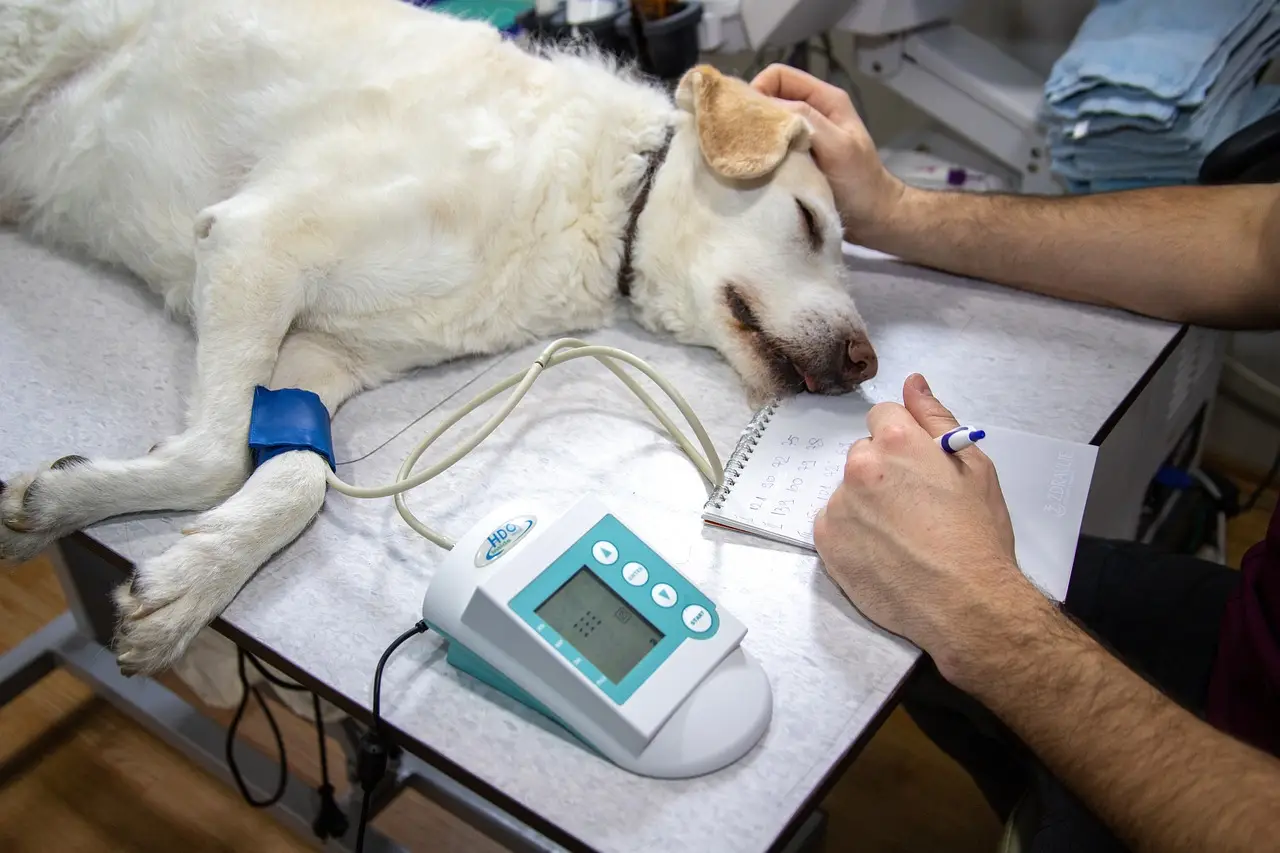
Photo: mirkosajkov / pixabay
The AVMA Committee on Veterinary Technician Education and Activities granted initial accreditation to Rowan College of South Jersey's veterinary technology program at its fall meeting, held November 5–7, with the decision retroactive to April 9. The college announced the outcome in an email to colleagues and community partners.
The ruling converts a promise into a credentialing pathway. Graduates of the two-year Associate of Applied Science program, based at RCSJ's Gloucester Campus in Sewell, New Jersey, now count as graduates of an AVMA CVTEA-accredited program — a requirement, according to the college's program materials, for obtaining Certified Veterinary Technician (CVT) credentials in New Jersey.
How the decision came down
The committee acted after reviewing the evaluation report from a site visit conducted September 9–10. The timeline runs from site visit to accreditation in roughly eight weeks.
Under AVMA accreditation policies, CVTEA reserves initial accreditation for new programs that have made significant progress toward meeting its Standards of Accreditation. To even apply, a program's institution must hold accreditation from a higher education agency recognized by the US Department of Education. RCSJ satisfies that threshold through its accreditation by the Middle States Commission on Higher Education.
The classification carries a defined shelf life. Under CVTEA policy, the program will hold initial accreditation until it achieves full accreditation, for no more than 5 years.
What changes for applicants and students?
The program combines general education coursework with veterinary technology training to prepare students for entry-level veterinary technology practice. Admission works in two stages: applicants must first be accepted to the college, then submit a separate portfolio and attend an information session before registering for any veterinary technology courses. The program admits one cohort per academic year.
Until now, RCSJ's messaging to applicants carried clear caveats. The college stated it intended to seek accreditation but could not guarantee it would be granted, that submitting an application did not guarantee accreditation, and that applying did not confer any temporary accreditation status. The November decision removes that uncertainty for current and future students.
Among the program's listed learning outcomes is preparing graduates to sit the Veterinary Technician National Examination (VTNE) — the gateway to credentialing that the accreditation decision now makes fully viable within New Jersey.
Why it matters for New Jersey practices
For veterinary practices in the region, the practical effect is a new in-state pipeline of credentialed technicians. Programs holding CVTEA initial accreditation produce graduates eligible for the same credentialing pathway as fully accredited programs, so the distinction matters administratively for the college more than for hiring practices.
One cohort per academic year keeps initial graduate volume modest, but the retroactive April 9 accreditation date means students already progressing through the program — not only those enrolling after the announcement — graduate with accredited status.
The program now faces its next milestone: converting initial accreditation into full accreditation within the five-year window CVTEA policy allows.
Source: dvm360.com
Amara Osei
Show full bio
Correspondent covering companies, deals and strategy in Small- and large-animal clinical practice at The Vet Scope.
Related articles
AVMA Council on Education sets 10 site visits through end of 2026
AVMA Will Spin Off Veterinary Accreditation Under New Federal Rule
UMES Veterinary School Clears Hurdle, Targets 2027 Opening
AVMA Grants Approval to First Public HBCU Veterinary School
Arkansas State Opens Veterinary College, Seats First Class