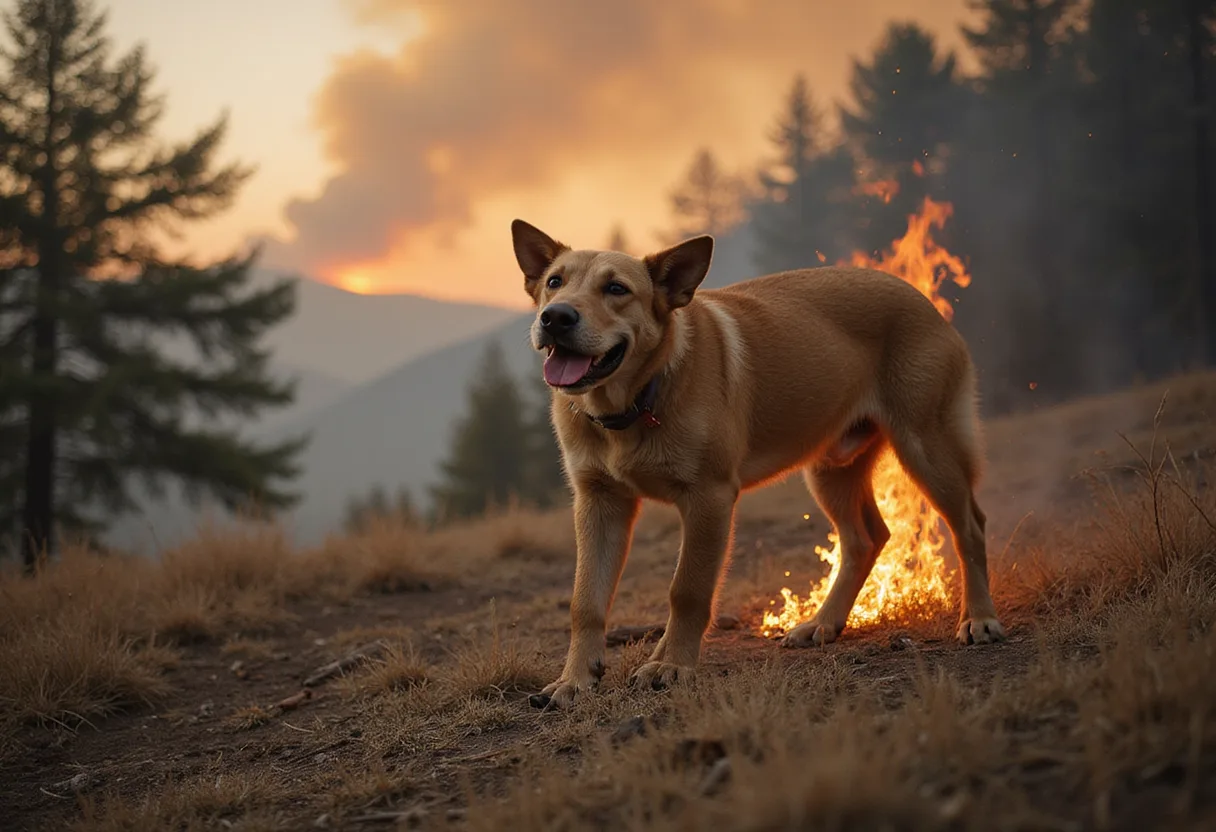
Ontario smoke now hitting livestock and the local food supply
Centre Wellington outlet EloraFergusToday.com has filed under the headline that livestock health and the local food supply are now casualties of the region's ongoing air-quality crisis, the first local confirmation that the smoke has reached the barn.
Updated
Air-quality deterioration in southwestern Ontario has crossed the barn door, with the local outlet EloraFergusToday.com filing this week under the headline: "Livestock health, food supply also suffer from current air quality."
The publication, which covers Centre Wellington and the surrounding rural townships in Wellington County, has not released the full text of the report through the available news feed. The headline, however, marks the first local confirmation that the regional smoke event of recent weeks has reached agricultural production, not just urban respiratory clinics.
Ontario's air quality has fluctuated repeatedly through the current season, driven in large part by wildfire smoke drifting south from northern and western provinces. Environment and Climate Change Canada has issued multiple special air-quality statements for the Wellington County corridor in 2025, and hourly PM2.5 readings at nearby reference stations have repeatedly exceeded the agency's 25 µg/m³ 24-hour target during the worst stretches of the season.
What changes at the exam table?
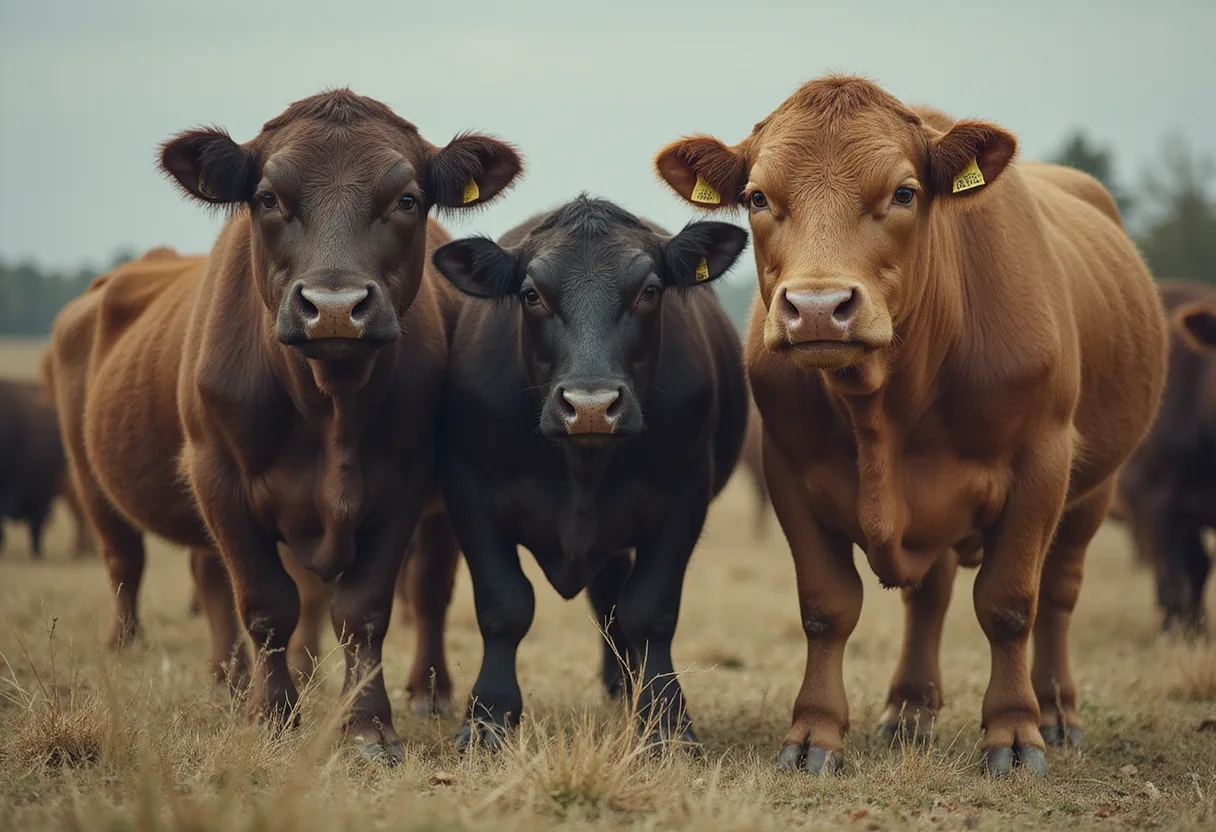
Veterinarians working with cattle, swine, and small ruminants in Wellington County describe a familiar pattern when particulate concentrations climb: decreased dry-matter intake, elevated respiratory rates, and a measurable drop in milk yield in dairy herds. The clinical signs are not new, but the duration of the current episode is unusual. Earlier regional smoke events tended to last days; this season's exposure has stretched longer, and the cumulative load on animal lungs is harder to dismiss as transient.
A practical signal for producers: cattle on pasture with no access to barn shelter show the steepest production drops, while producers operating curtain-sided, fan-ventilated, or filtered tie-stall barns have reported smaller losses in field accounts shared with regional veterinary associations. The pattern aligns with the limited peer-reviewed literature on dairy response to particulate exposure, though the source feed does not cite a specific study.
What changes in the supply chain?
Local food supply is the second leg of the EloraFergusToday.com headline. Reduced feed intake, slower weight gain in beef cattle, and stress-related drops in laying-hen productivity translate within days into tighter local supply and, eventually, higher prices at the farm gate and on retail shelves. The available headline does not disclose regional production numbers; the publication's full report is expected to carry local figures and producer interviews.
Where does regulation sit?
Health Canada and the Ontario Ministry of Agriculture, Food and Rural Affairs do not set on-farm air-quality thresholds for livestock in the way the U.S. Environmental Protection Agency sets standards for the general public. Producers instead rely on commodity-group guidance and on their herd veterinarians, who adapt the human PM2.5 scale to barn conditions. The gap has been a long-standing point of discussion among Canadian bovine practitioners, and the current episode is likely to renew calls for species-specific standards.
What is the forward look?
The EloraFergusToday.com headline signals that regional editors now consider the agricultural impact worthy of standalone coverage rather than a sidebar to the public-health story. Producers across the affected townships will be watching the air-quality index as closely as they watch the milk price through the remainder of the season, and the outlet has indicated that further reporting on herd-level losses and supply-chain effects will follow.
Source: Google News: Livestock health
Nathan Brooks
Show full bio
Senior reporter covering companies, deals and strategy in Small- and large-animal clinical practice at The Vet Scope.
Related articles
Novel Wood Smoke Model Targets Dairy Calf Physiology
Wildfires Raise Concerns for Animal Health and Welfare
Alberta Faces Criticism Over COVID Response at Cargill Meat Plant
Large Animal Vet Shortage Adds New Burden for Cattle Producers
Four Milk Carbon-Footprint Calculators Compared on Eastern Canada Dairy Farms