Malaysia's Budget 2027 Weighs Pet Tax Relief for Responsible Ownership
Malaysia's Budget 2027 includes proposed pet tax relief aimed at promoting responsible ownership and disease prevention, The Malaysian Reserve reports, in a rare tax-code approach to animal health.
Updated
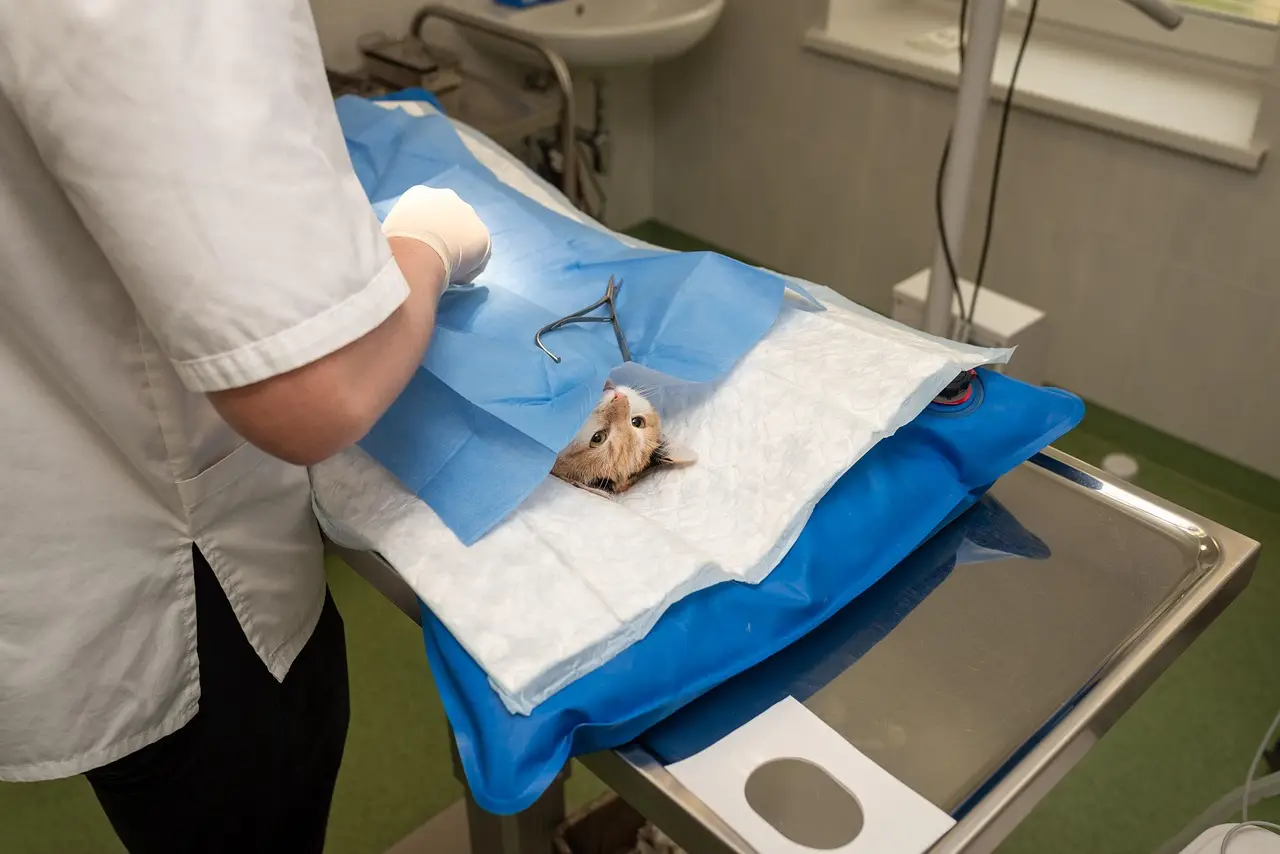
Photo: congerdesign / pixabay
Malaysia's Budget 2027 negotiations include a proposed tax relief for pet owners, a measure its backers frame as a lever for both responsible ownership and disease prevention, The Malaysian Reserve reports.
The proposal sits inside the national budget cycle now underway, and it marks an unusual fiscal entry point for animal health policy: rather than regulating ownership through licensing alone, the state would use the tax code to reward households that keep pets. According to the report, proponents argue the relief would encourage owners to invest in routine veterinary care, which in turn strengthens early detection of zoonotic and companion-animal disease.
What does the measure aim to change?
The Malaysian Reserve describes two stated objectives. The first is responsible ownership — a policy term that typically covers vaccination compliance, parasite control, and sustained veterinary attendance rather than acquisition of animals alone. The second is disease prevention, which places the proposal squarely in public-health territory, since companion animals in dense urban households can act as sentinels or reservoirs for transmissible agents.
For veterinary practices in Malaysia, the practical question is whether a tax incentive shifts owner behavior at the clinic door. If households claim relief tied to pet keeping, clinics could see increased demand for wellness visits, vaccination, and preventive products — the services most closely associated with "responsible ownership" as the report frames it.
How does tax policy fit animal health?
Fiscal tools are an uncommon but not unprecedented instrument in companion-animal policy. A deduction or credit tied to pet ownership functions as a demand-side subsidy: it lowers the effective cost of maintaining an animal, and, depending on how the relief is drafted, it could be conditioned on documented veterinary expenditure.
The Malaysian Reserve report does not specify the relief amount, the eligibility criteria, or the claiming mechanism, and those details will determine whether the measure drives preventive care or simply reduces the cost of ownership for households that already keep pets. Veterinarians and industry groups will watch the drafting stage for exactly those parameters.
Who is affected, and how?
The implications separate into three streams:
- Companion-animal practice: Potential growth in routine consultations and preventive services if the relief is linked to veterinary spending.
- Public health: Broader preventive care coverage supports earlier detection of disease in animal populations that share households with people.
- Ownership standards: The measure signals a policy shift from penalizing irresponsible ownership toward incentivizing responsible ownership through the tax system.
Malaysia's budget timeline means the proposal would take effect under Budget 2027, giving stakeholders in the veterinary and animal-health sectors a window to shape its final form before enactment.
As drafted and reported, the initiative reflects a government betting that a modest fiscal incentive can move preventive care uptake — a bet whose outcome clinics, public-health officials, and pet owners will see measured in vaccination rates and clinic attendance once the budget passes.
Source: Google News: Zoonotic disease
Nathan Brooks
Show full bio
Senior reporter covering companies, deals and strategy in Small- and large-animal clinical practice at The Vet Scope.
Related articles
Rhone Ma Files Budget 2027 Wish List for Animal Health Incentives
Malaysia's Vet Shortage: 2,500 Vets Against a 6,000 Requirement
Pet Owners Rank Veterinary Care Among Last Expenses to Cut
Cats Gain on Dogs as U.S. Pet Spending Contracts, Forcing Clinic Rethink
AVMA: Pet Owners Prioritize Veterinary Spending Despite Economic Pressures