Malaysia identifies zoonotic transmission as current malaria battle front
Malaysia has designated zoonotic disease as its current malaria battle front, according to Asia News Network, pulling veterinary and wildlife agencies into a response long led by public-health authorities.
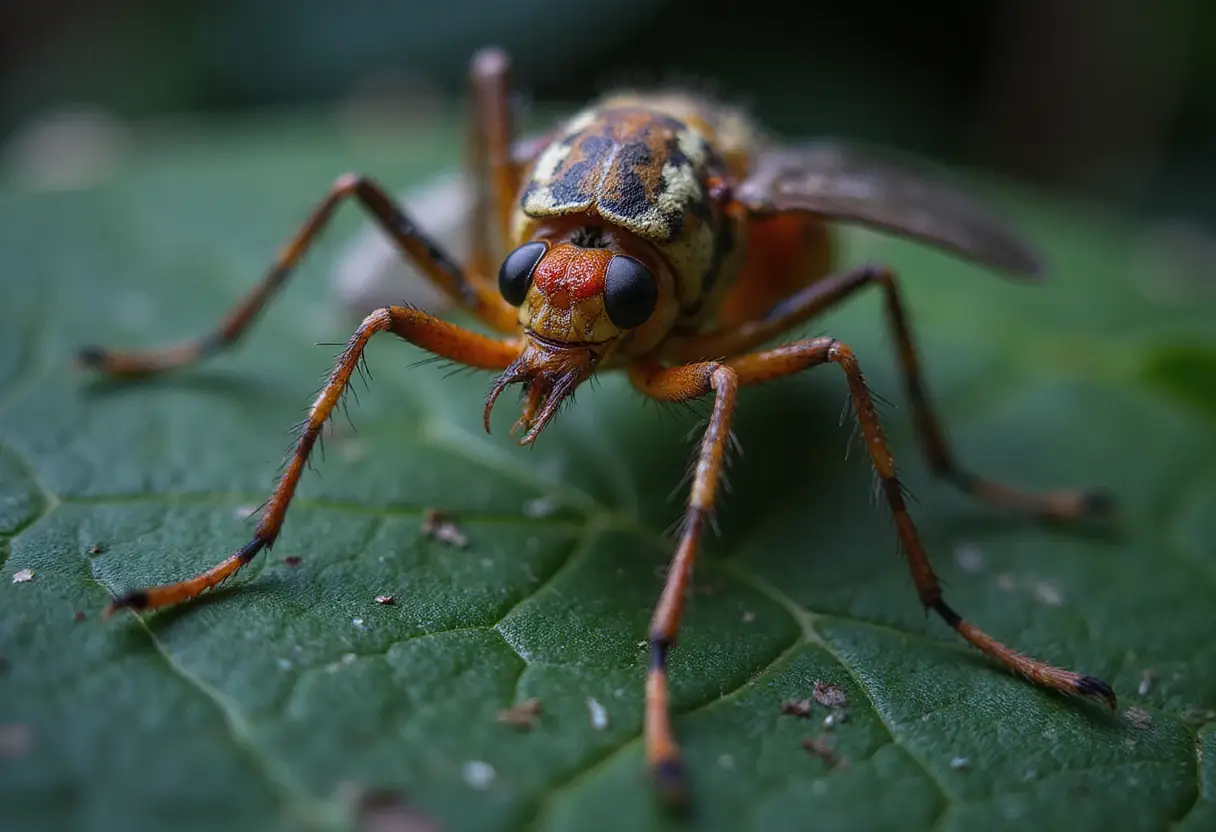
Photo: AI-generated
Malaysia has named zoonotic disease as the country's current malaria battle front, according to a report carried by Asia News Network. The headline-level designation shifts attention away from purely human-to-human transmission cycles and toward the veterinary and wildlife interface, where animal reservoirs and vectors sustain infection in people.
What does "zoonotic" change for the malaria response?
A zoonotic framing means the parasite moves from an animal host to people, rather than circulating only between humans and mosquitoes. For clinicians and veterinarians in Malaysia, that re-casting carries operational consequences: surveillance, diagnostics and vector control must extend beyond human cases and into animal populations and the environment where those animals live.
Veterinary practitioners working in regions bordering forest or plantation areas now sit inside the case-finding pathway. A monkey or other wildlife species carrying the parasite — transmitted by a mosquito that then bites a human — is the transmission model the Malaysian designation implies. Treating human cases alone leaves the animal reservoir intact.
What does this mean at the practice level?
For companion-animal veterinarians, direct involvement is limited because the relevant hosts in this transmission cycle are typically non-domestic species rather than dogs or cats. The relevance is indirect: small-animal clinics still serve as community sentinels, and veterinary professionals can flag unusual febrile illness in pet owners who also work with or near wildlife.
For food-animal and large-animal practitioners, the implications are sharper. Livestock handlers, abattoir workers and farm staff who spend long hours outdoors in endemic districts face repeated mosquito exposure. Preventive counseling, repellents and standing-water management around farms become part of veterinary advice, not just public-health messaging.
Public-health implications sit at the center. Diagnostic laboratories need to distinguish zoonotic from non-zoonotic malaria species, because treatment regimens and contact-tracing strategies differ. Veterinary diagnostic laboratories, wildlife health units and human hospital networks must share data — a structural requirement that the One Health label has long demanded but rarely delivered in practice.
Which agencies and professions are affected?
Malaysia's malaria response involves the Ministry of Health, the Department of Veterinary Services, wildlife authorities and university research centers. A zoonotic designation pulls the Department of Veterinary Services and wildlife agencies into a role they have not always held in malaria control, where the Ministry of Health has historically led. Coordination funding, joint field teams and shared sample-collection protocols are the kinds of changes that follow.
Regulatory agencies outside Malaysia are also watching. The U.S. Centers for Disease Control and Prevention and the European Centre for Disease Prevention and Control list zoonotic species as a growing concern across Southeast Asia. Any shift in Malaysia's classification can ripple through travel-medicine advisories, importer screening and expatriate veterinary postings in the region.
Why this matters now
The Asia News Network headline reflects a pattern visible across Southeast Asia over the past two decades: countries have driven human-only malaria transmission to low levels through bed nets, indoor residual spraying and artemisinin-based therapy, only to find that zoonotic cycles persist in forested and rural-margin areas. Once human-only transmission is controlled, the residual case load looks, by definition, zoonotic. The Malaysian framing names that reality directly rather than treating it as a residual category.
For veterinarians, the designation reframes scope. Malaria is no longer purely a human-medicine problem for the region; it is a problem the veterinary profession contributes to, detects and helps interrupt. Whether that translates into funded veterinary surveillance roles, wildlife-monitoring contracts or simply better-informed farm consultations will depend on how Malaysia's agencies operationalize the new framing in the coming months.
What to watch next
Look for the Ministry of Health and the Department of Veterinary Services to issue a joint operational plan, for diagnostic laboratories to roll out species-specific testing capacity, and for the veterinary schools at Universiti Putra Malaysia and other institutions to publish updated guidance for practitioners working in at-risk districts. The Asia News Network report signals the framing; the operational details will determine whether the One Health label becomes a working program or remains a policy slogan.
Source: Google News: Zoonotic disease
Grace Kim
Show full bio
Staff writer covering regulation, policy and their impact on Small- and large-animal clinical practice at The Vet Scope.
Related articles
Six Research Projects Receive $15 Million to Study Zoonotic Disease Risks
Down To Earth: Zoonoses Strategy Must Extend Past Biology
Wildlife trade linked to 40 years of animal-to-human pathogen spread
WHO launches joint action to reduce zoonotic disease risks in Indonesia
Report links global wildlife trade to zoonotic disease spread