Higher longevity genomic merit tied to lower morbidity in Holsteins
An October 2026 paper in the Journal of Dairy Science ties higher functional longevity genomic merit to lower morbidity, shorter calving intervals, and greater herd retention in Holstein cows matched for milk production.
Updated
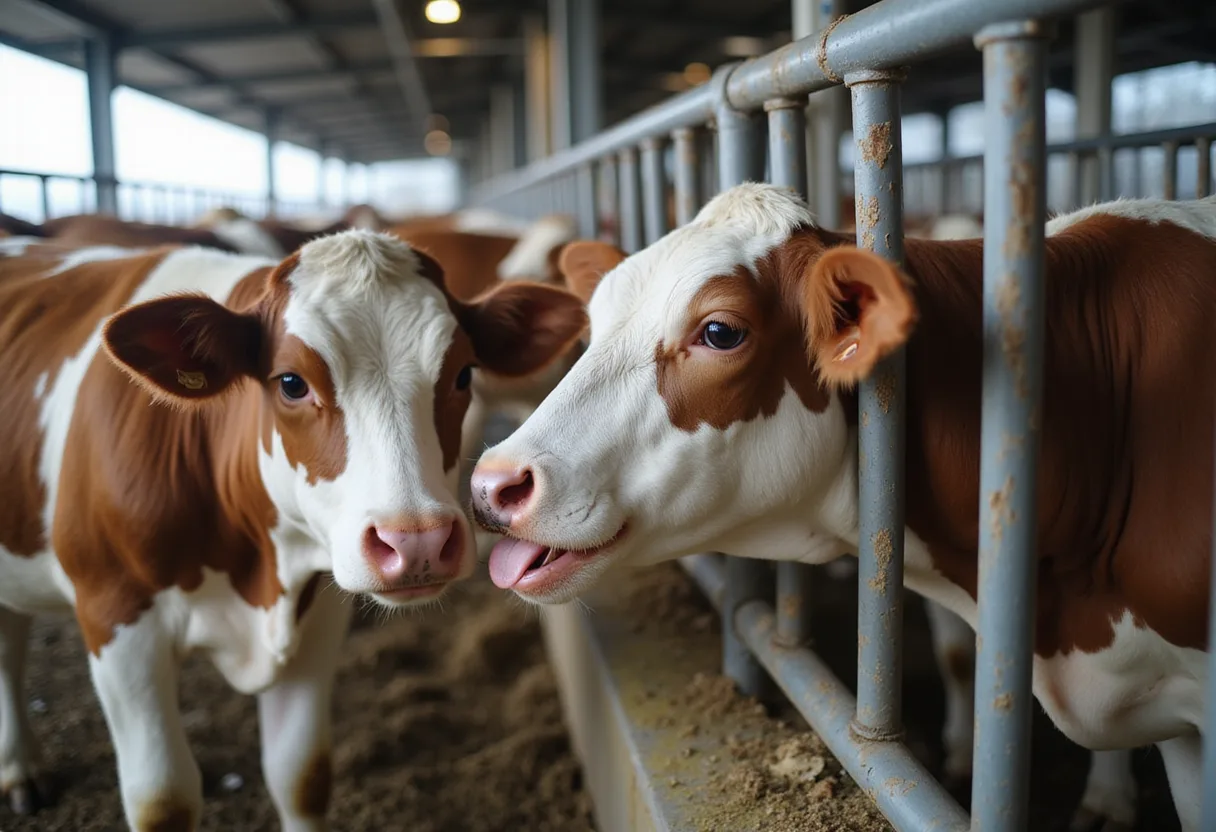
Photo: AI-generated
A paper in the October 2026 issue of the Journal of Dairy Science ties higher genomic merit for functional longevity to lower morbidity, shorter calving intervals, and greater herd retention in Holstein cows. The analysis, led by Morteza H. Ghaffari and Harald M. Hammon, matched cows for milk production merit so longevity could be examined in isolation from yield.
The study appears in Volume 109, Issue 10 of JDS. Co-authors are Nina Melzer, Dörte Wittenburg, Mabrouk Elsabagh, Doreen Becker, Frank Becker, and Claudia Kröger-Koch.
What does matching for milk yield accomplish?
The matching design is the methodological hinge of the work. By holding milk production constant across comparison groups, the team stripped production out of the equation and let longevity genomic merit carry the explanatory weight on its own.
That choice reframes a question dairy geneticists have wrestled with for two decades: does selecting for longevity deliver health and reproductive benefits independent of yield, or does it merely tag along with higher-producing cows?
The matched-pair structure also forces the reader to interpret any health, fertility, or retention gap as a longevity effect rather than a production effect. For veterinarians accustomed to seeing morbidity tied to high yield, that distinction carries operational weight: it points to a genetic lever for herd health that does not require producers to chase higher peak milk to trigger it.
What changes at the cow level?
Three outcomes emerged in cows carrying higher functional longevity genomic merit, according to the findings captured in the paper's title: lower morbidity, a shorter calving interval, and greater herd retention. Translated into operational language, that triad means fewer treatment events per lactation, tighter reproductive timing, and a longer productive life inside the herd before culling decisions land.
Lower morbidity on its own reduces antimicrobial use, treatment labor, and lost milk. A shorter calving interval compresses the dry-period cycle and tightens the calving-to-conception window. Greater herd retention multiplies those two gains across additional lactations, compounding the value of each cow in the milking string.
How does that translate to herd economics?
Each culled cow triggers a replacement heifer, and each replacement heifer carries rearing costs that include feed, housing, vaccination, and the days of lost production before first calving. The retention finding therefore resonates past the individual animal. A longevity index that delivers even modest additional herd life alters the replacement budget and the heifer inventory that supports it.
What will veterinarians and producers need next?
The October 2026 publication supplies direction. The full sample size, statistical thresholds, confidence intervals, and the magnitude of effect on each outcome — morbidity days saved, days open reduced, lactations added — will arrive with the complete methods. Practitioners and producers reading the headline-level summary should wait for those numbers before adjusting selection priorities on farm.
How does the paper fit into dairy genetic evaluation?
National dairy breeding programs in markets including the United States, Germany, the Netherlands, and Canada have spent the past decade rebalancing selection indexes to weight health, fertility, and longevity alongside production. Peer-reviewed evidence linking a functional longevity index directly to morbidity and retention strengthens the case for treating longevity merit as a stand-alone selection target rather than a residual effect of yield selection.
The eight-author team's breadth across statistical genetics, lactation biology, nutrition, and applied herd health signals a project built to measure longevity through more than one lens. A study focused solely on field records could not have framed the matched-production design that anchors the paper.
Expect the complete article in the JDS October 2026 print edition to draw renewed attention to bull-selection decisions and to prompt fresh conversations among veterinarians advising on herd health and culling policy.
Source: Journal of Dairy Science (Elsevier)
Nathan Brooks
Show full bio
Senior reporter covering companies, deals and strategy in Small- and large-animal clinical practice at The Vet Scope.
Related articles
Dairy study examines gene-by-feed interactions for milk yield
Researchers Rank Genomic Regions Tied to Milking Speed in Holsteins
Milk urea genetics shift across lactation, dairy study finds
JDS publishes Holstein genomic study on gestation, calving traits
Holstein calf resilience traits tied to milk intake variability in new GWAS