EU Reports Minor Rise in Veterinary Drug Residues in Food
EU monitoring has detected a minor rise in veterinary drug residues in food, putting withdrawal-period compliance back in focus for food-animal practices.
Updated
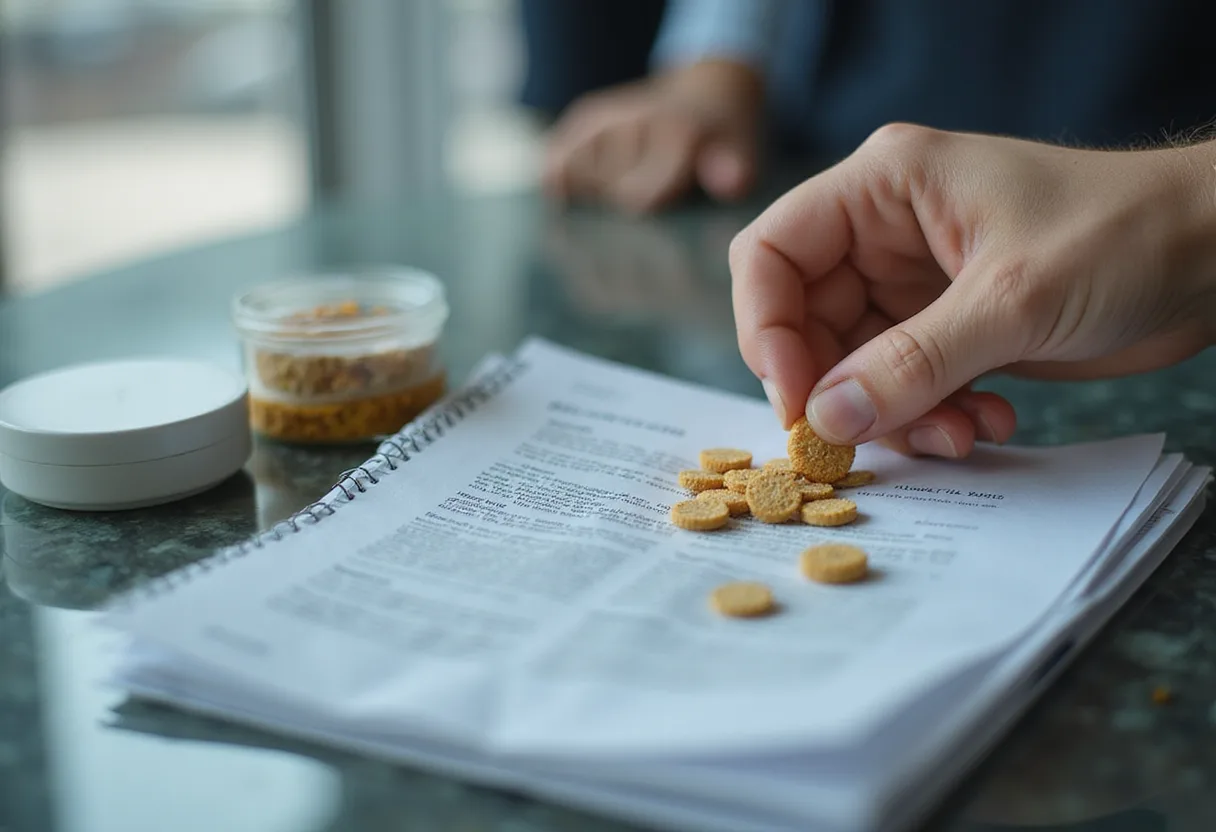
Photo: AI-generated
The European Union has recorded a minor increase in veterinary drug residues detected in food, according to a report covered by Food Safety News.
The finding comes from the EU's ongoing residue monitoring program, which tests food of animal origin — meat, milk, eggs and honey — for veterinary medicinal product residues, including antimicrobials, antiparasitics and other pharmacologically active substances. Regulators use these surveillance data to verify that farmers and veterinarians are observing withdrawal periods and that residue limits are being respected across the food chain.
The increase is described as minor, and the detection of residues at this level does not, by itself, indicate a widespread food safety failure. EU rules set maximum residue limits (MRLs) for veterinary medicinal products in foodstuffs, and monitoring results are evaluated against those thresholds. A small rise in non-compliant samples typically prompts follow-up investigation at the member state level, where authorities trace positive findings back to the farms and treatments involved.
For veterinary practitioners, the signal matters at the level of everyday prescribing and on-farm protocols. Residue monitoring results feed back into the obligations that already govern food-animal practice in the EU: observing withdrawal periods exactly as stated on the product label, recording all treatments in the medicine log, and communicating withdrawal times to clients before treated animals or their products enter the food chain. Any tightening of enforcement that follows a rise in detections usually lands first on documentation and on-farm compliance checks rather than on new clinical rules.
The companion-animal side of the profession is largely unaffected by these findings, since the monitoring program covers food-producing species. The public-health dimension, however, is direct: residue surveillance is one of the instruments the EU uses to keep pharmacologically active substances out of the human diet and to support antimicrobial-resistance control, a policy priority under the EU's One Health framework.
At the practice level, the report is a prompt for food-animal vets to recheck withdrawal-period compliance for the products they dispense, particularly for off-label use under the cascade, where the veterinarian carries responsibility for setting an adequate withdrawal time. Regulators have repeatedly flagged cascade prescribing as a point of vulnerability in residue control.
The EU has not signaled a change to MRLs or to the legal framework in response to the increase, and member-state competent authorities will continue to run the monitoring plan that generates these figures each year. Veterinarians can expect the next reporting cycle to show whether the uptick is a one-year variation or the start of a trend.
Source: Google News: Veterinary drugs
Elena Vasquez
Show full bio
Market editor covering money, funding and market shifts around Small- and large-animal clinical practice at The Vet Scope.
Related articles
EU Food Supply Largely Compliant With Veterinary Drug Residue Limits
EFSA Publishes Latest EU Snapshot of Veterinary Drug Residues in Food
Codex Committee Advances Veterinary Drug Residue Standards for Food
Scottish dairy pulls milk over veterinary medicine concerns
Lao PDR Weighs Next Steps on Veterinary Drug Residue Monitoring