Dechra Acquires Stem Cell Developer Gallant, First Therapy Due 2027
Dechra has acquired Gallant Pet Inc, adding off-the-shelf MSC therapies for cats and dogs. The lead feline gingivostomatitis candidate has cleared two FDA technical sections, with first launch seen in 2027.
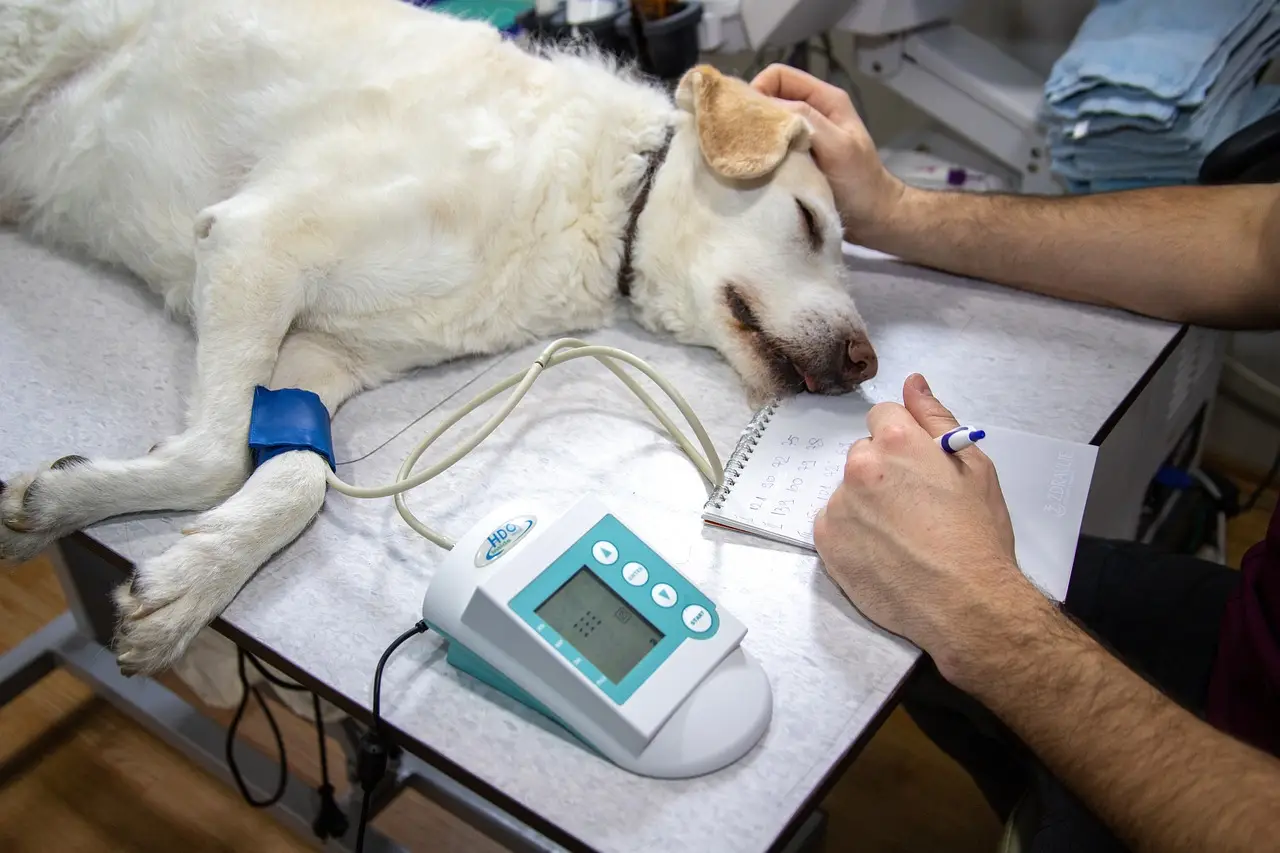
Photo: mirkosajkov / pixabay
Dechra has acquired Gallant Pet Inc, an animal health biotechnology company developing off-the-shelf mesenchymal stromal cell (MSC) therapies for dogs and cats, the company announced November 17. Terms were not disclosed. Dechra said the first product from Gallant's pipeline could arrive as early as 2027, but it declined to name the product.
The acquisition moves Dechra, which concentrates on veterinary specialty care, into regenerative medicine. In a statement to dvm360, Dechra said Gallant's pipeline supports therapies across multiple conditions and species, including refractory feline chronic gingivostomatitis (FCGS).
"This acquisition is a strategic investment in expanding what's possible in veterinary care," Cathy Knupp, DVM, MS, chief scientific officer of Dechra, said in the announcement.
Linda Black, DVM, PhD, CEO of Gallant, added: "Gallant was built on a bold idea that we could make regenerative medicine accessible for all pets in need. Dechra understood that vision from the start." She said the team is "excited to keep pioneering together." Gallant will continue operating as usual for its employees, customers and vendors, Dechra confirmed in an emailed statement.
What does the lead feline therapy show?
Gallant has previously identified sonruvetcel injectable suspension, an intravenous allogeneic therapy made from uterine-derived MSCs sourced from healthy, specific pathogen–free donor cats, as its first expected product for refractory FCGS.
The FDA Center for Veterinary Medicine issued technical section complete letters for the product's reasonable expectation of effectiveness in September 2025 and for target animal safety in November 2025. The safety letter confirmed that Gallant's data met a 365-day safety requirement. Gallant had targeted conditional approval for early 2026 and said in April it expected approval later that year.
A 90-day field study published in September 2025 in the Journal of Feline Medicine and Surgery enrolled 46 cats with refractory FCGS, each receiving two IV doses of the allogeneic cells 14 days apart. At day 90, 78.8% of evaluated cats (26 of 33) met the success threshold on an owner-reported quality-of-life measure, and 45.5% (15 of 33) showed improvement in veterinarian-scored oral lesions.
Dechra declined to confirm whether sonruvetcel is the product now expected in 2027 or describe its current FDA status. "We're not sharing further details about individual therapies or the conditions they address at this time," the company said. The lead feline candidate has cleared its two core FDA technical sections, which signals conditional approval remains the near-term path.
Where do the osteoarthritis programs stand?
Gallant's pipeline also targets osteoarthritis in both species. In April, the company reported a randomized, masked, placebo-controlled pilot study of an IV MSC therapy in 35 cats with osteoarthritis. At 90 days, 76.2% of treated cats met the improvement threshold on an owner-reported quality-of-life measure, versus 36.4% of placebo cats. The FDA CVM granted this program eligibility for its expanded conditional approval pathway.
In May, Gallant reported a randomized, blinded, placebo-controlled pilot study in 88 dogs with osteoarthritis. Dogs receiving two IV injections 14 days apart showed statistically significant improvement over placebo on owner-reported outcome measures at days 60 and 90, though Gallant did not release effect sizes or confidence intervals. At the time, the company targeted conditional approval for the canine program in 2028.
The pipeline additionally includes programs for feline chronic kidney disease and canine atopic dermatitis. Pilot data across the osteoarthritis programs suggest the MSC platform covers both companion species, but no product has reached approval.
How will clinics receive the cells?
Because the MSCs must be stored at −80 °C, Gallant signed an agreement in February with MWI Animal Health to build an ultra-low temperature cold chain for delivery of the therapies to veterinary clinics. The logistics arrangement means practices adopting any approved product will need to plan for frozen storage and handling.
The acquisition extends a pattern of Dechra buying biologic platforms. In July 2024, Dechra acquired Invetx, a Boston-based developer of monoclonal antibody therapies for dogs and cats, in a deal valued at up to $520 million. Later that month, it purchased Akston Biosciences' long-acting insulin programs for diabetic dogs and cats, including once-weekly candidates for each species.
Dechra said the deal strengthens its specialty care position and marks its entry into regenerative medicine. Veterinarians can expect the first Gallant-derived product, whichever it proves to be, to reach the market as early as 2027 if the regulatory pathway holds.
Source: dvm360.com
Daniel Okafor
Show full bio
News editor covering technology and product news in Small- and large-animal clinical practice at The Vet Scope.
Related articles
Animal Health 2026 Outlook: Innovation, Costs, Consolidation
Canine bone cancer pain drug clears hurdle for FDA conditional approval
Rejuvenate Bio Lands $6M, Joins Merck Animal Health on Gene Therapy
FDA opens grant applications for veterinary drug research
Elanco Puts $25 Million Behind Animal Health Innovation