Dairy Goat Study Pairs Photoperiod, Buck Effect, Microbiome
A Journal of Dairy Science paper, online 17 September 2026, brings short-day photoperiod and buck exposure into one experimental frame alongside fecal microbiota, metabolomic, and serum metabolite readouts in nonbreeding-season dairy goats.
Updated
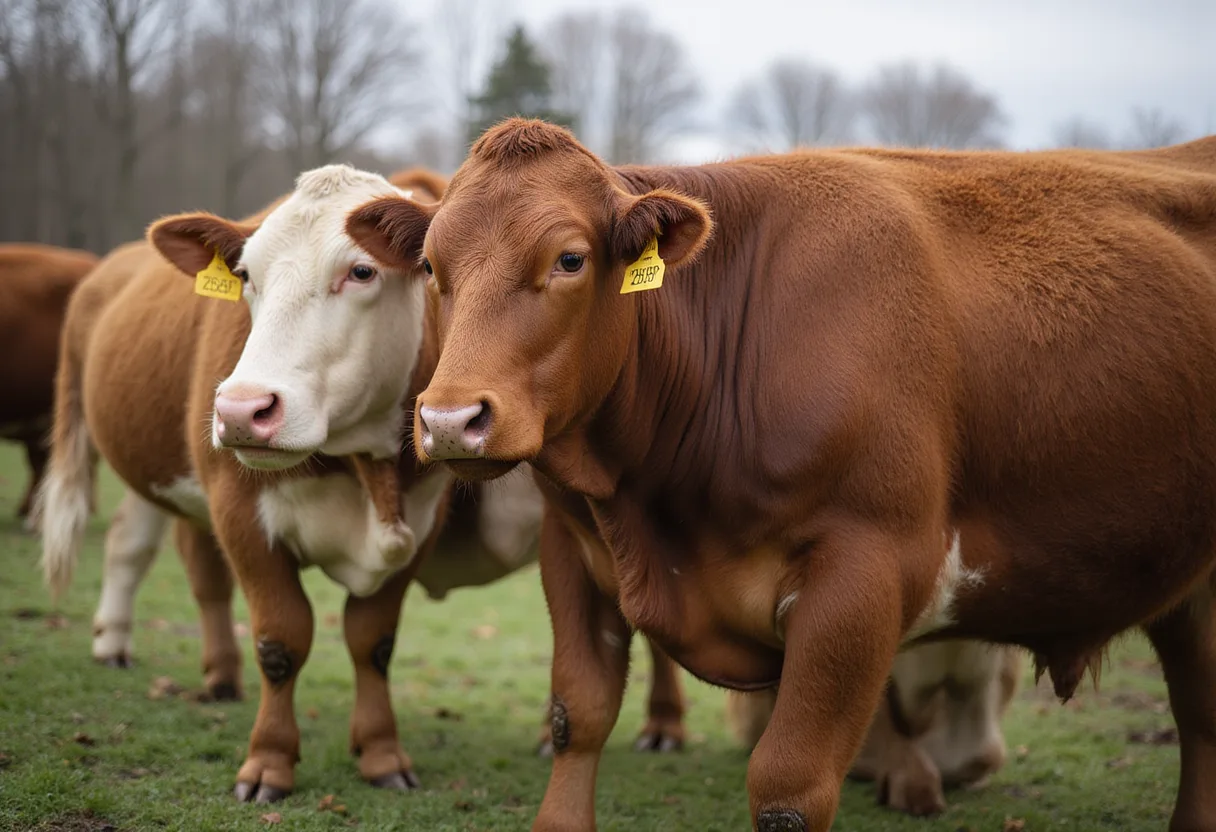
Photo: AI-generated
A paper became available online 17 September 2026 in the Journal of Dairy Science under the title "Associations of short photoperiod and the male effect with fecal microbiota, metabolomic profiles, serum metabolites, and reproductive performance in dairy goats during the nonbreeding season." Two established seasonal-breeding tools enter one experimental frame. Microbiome and metabolite readouts ride alongside.
The author team — Q.Q. Liu, Y.L. Wang, C.B. Shi, K.X. Yu, L.H. Liu, W. Wang, Q.Y. He, and J. Luo — built the work around a practical question in goat reproduction.
Why pair two old tools with new readouts?
Short-day photoperiod treatment and the male effect are protocols small-ruminant veterinarians and goat producers have used separately for decades. The Journal of Dairy Science paper folds both into one study. Three measurement layers ride alongside: fecal microbiota composition, metabolomic profiles, serum metabolite assays. Reproductive performance is the unifying endpoint.
For practitioners, the design reframes a familiar management question. Is the response hormonal only, or does the gut microbiome carry part of the signal? The title signals a multi-layer answer, not just an ovarian one.
Takeaway for clinicians: Light control and buck introduction are interventions a veterinarian can recommend without writing a prescription.
What species the work covers
The model is dairy goats in the nonbreeding season, a deliberately seasonal test bed. Direct translation to cattle, horses, or small companion ruminants runs into limits at the outset. Latitude, housing type, and breed shape any on-farm application.
Goat-specific conclusions rarely transfer cleanly to other species. Seasonal breeders behave differently from year-round cycling species, and the paper's framing stays inside the dairy-goat sector.
Takeaway for the reader: Findings from this study will inform goat protocols before they inform any other species.
What can be acted on now
The paper's full text sits behind the Journal of Dairy Science paywall. Sample size, statistical approach, and the direction of any microbiota or metabolomic shifts wait inside. Readers working from the title alone should hold farm-level protocol changes until the data are read.
Two cautions apply. Ruminant microbiome studies have produced conflicting results recently. Baseline diet, bedding, and prior antimicrobial exposure often shape the fecal community more than the experimental treatment does. Reproductive outcomes in seasonal goats also interact with body condition, lactation status, and buck-to-doe ratio. A promising title is not yet a herd-level recommendation.
Takeaway for herd managers: Light schedules and buck exposure are inexpensive to trial. Any protocol change still needs a local benchmark.
A wider context for the field
Global goat milk production has expanded steadily. Seasonal breeding remains a structural constraint on year-round supply. Nonbreeding-season protocols that improve cyclicity without hormone implants carry clear commercial weight. Photoperiod manipulation and buck exposure both qualify on that score. Pairing them with multi-omic readouts is a logical next research step.
A multi-omic layer also raises the bar for future studies. Reproduction researchers in seasonal small ruminants will increasingly be expected to account for the rumen and gut microbiome when reporting treatment effects.
Takeaway for the field: Future papers on seasonal goat reproduction will likely include microbiome readouts as standard.
Where to go from here
The paper is indexed at the Journal of Dairy Science. Practitioners and producers working with seasonal dairy goats should read the full text to identify which findings, if any, shift a recommendation made at the farm gate. Replication in independent herds is the next test any single study must pass.
Source: Journal of Dairy Science (Elsevier)
Elena Vasquez
Show full bio
Market editor covering money, funding and market shifts around Small- and large-animal clinical practice at The Vet Scope.
Related articles
Milk urea genetics shift across lactation, dairy study finds
Bovine Veterinarian Explores Yeast Effects Beyond Rumen Function
Fecal Sampling Reveals Diet Digestibility Is Heritable in Holsteins
Yeast Probiotic Study Targets Immune Function in Transition Dairy Cows
Pre-dry-off nutrient restriction study set for JDS October 2026