City Corporation and Veterinary University Pledge Joint Animal Welfare Push
The mayor has pledged that CCC and CVASU will cooperate on animal welfare, pairing municipal authority with veterinary university capacity; program details are pending.
Updated
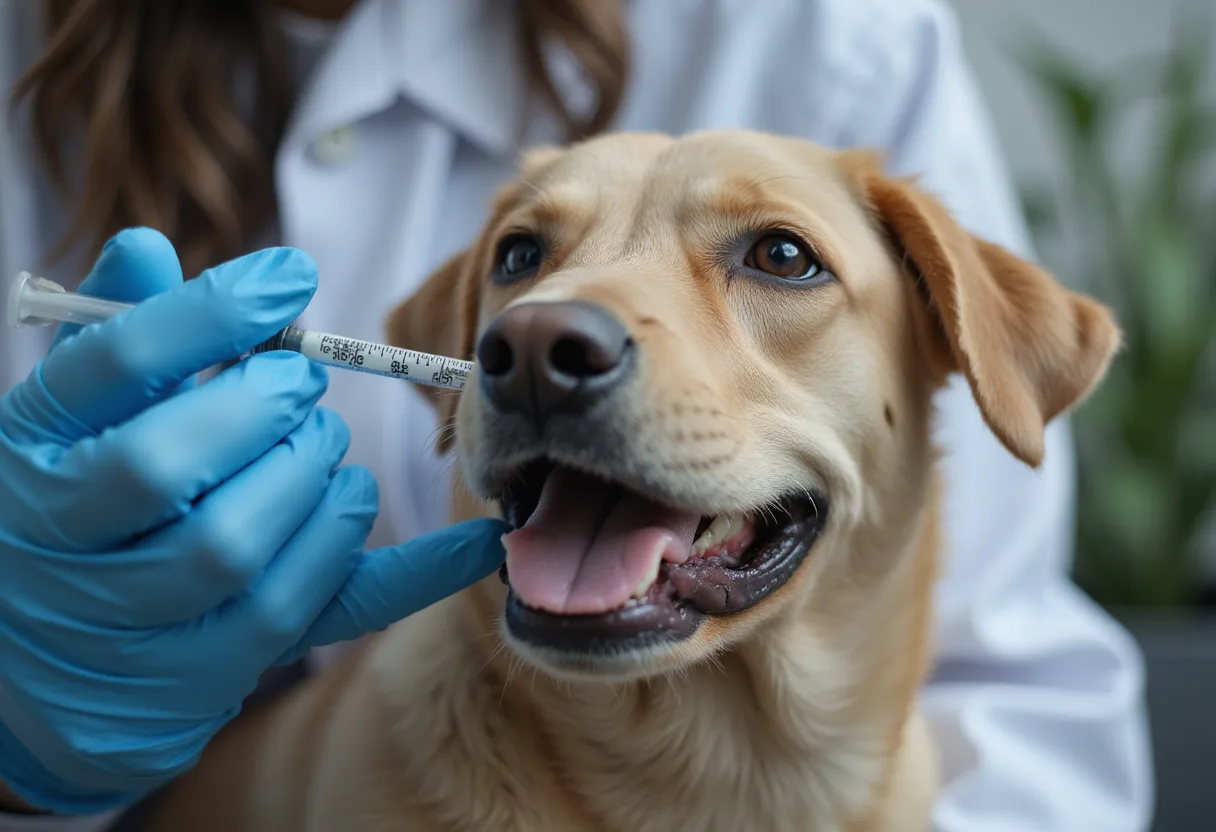
Photo: AI-generated
The mayor has pledged that the city corporation, known as CCC, and CVASU will work together on animal welfare, according to a report published by bssnews.net.
The commitment establishes a cooperative relationship between the two institutions. CCC, the municipal authority, and CVASU, the veterinary sciences university, will combine an administrative mandate with academic and clinical capacity. That pairing matters at the operational level: city governments typically control animal control budgets, shelter decisions, and rabies vaccination campaigns, while veterinary universities supply the clinicians, diagnostic laboratories, and student manpower to carry them out.
The mayor's public pledge signals political backing for the collaboration, which often determines whether such arrangements move beyond memoranda to funded programs. Details of the announcement — the specific programs, timelines, budget allocations, and species or disease targets — were not included in the available report.
For veterinary practitioners in the region, an active CCC–CVASU partnership could translate into several concrete outcomes if it follows the pattern of comparable municipal-university arrangements. These typically include mass rabies vaccination drives for street dog populations, sterilization programs, expanded clinical services through the university's teaching hospital, and surveillance work on zoonotic disease in urban animal populations. Rabies control in particular remains a common driver of such partnerships in South Asia, where the disease is endemic and dog vaccination coverage is a recognized public-health priority.
A university partner also strengthens the diagnostic and epidemiological side of municipal animal work. CVASU-type institutions generally operate laboratories capable of confirming rabies, brucellosis, and other zoonoses, capacity that most city animal-control units lack on their own.
The public-health dimension of the pledge is significant. Urban animal welfare programs in the region routinely serve dual purposes: they improve the treatment of roaming animals and they reduce human exposure to rabies and other transmissible diseases. Vaccination coverage targets, dog population management, and bite-prevention education are the standard metrics by which these programs are judged.
What remains to be seen is the operational structure the two institutions will adopt — whether CVASU provides clinical services under city contract, whether students staff field campaigns, and how the programs will be financed after the initial announcement.
The mayor's pledge commits both institutions publicly. Veterinarians, public-health officials, and animal welfare organizations in the jurisdiction will be watching for the follow-through: named programs, allocated funds, and a launch date.
Source: Google News: Veterinary medicine
Amara Osei
Show full bio
Correspondent covering companies, deals and strategy in Small- and large-animal clinical practice at The Vet Scope.
Related articles
Community-Led Dog Vaccination Could Cut Rabies Deaths, WSU Study Finds
Stakeholders Pledge One Health Framework to Curb Zoonotic Disease
EU Commits Sh7.38 Billion to African Livestock Disease Eradication
NIH Renews Kansas State Zoonotic Disease Hub for $11.4 Million
One Health Across 33,000 km²: East Arnhem Council Expands Remote Vet Care