BVDV-2 reprograms calf thymus transcripts, October 2026 study reports
A Veterinary Microbiology paper published October 2026 reports that BVDV-2 triggers parallel antiviral and tissue-remodeling gene programs in the calf thymus, reframing immunosuppression as transcript-level rewiring.
Updated
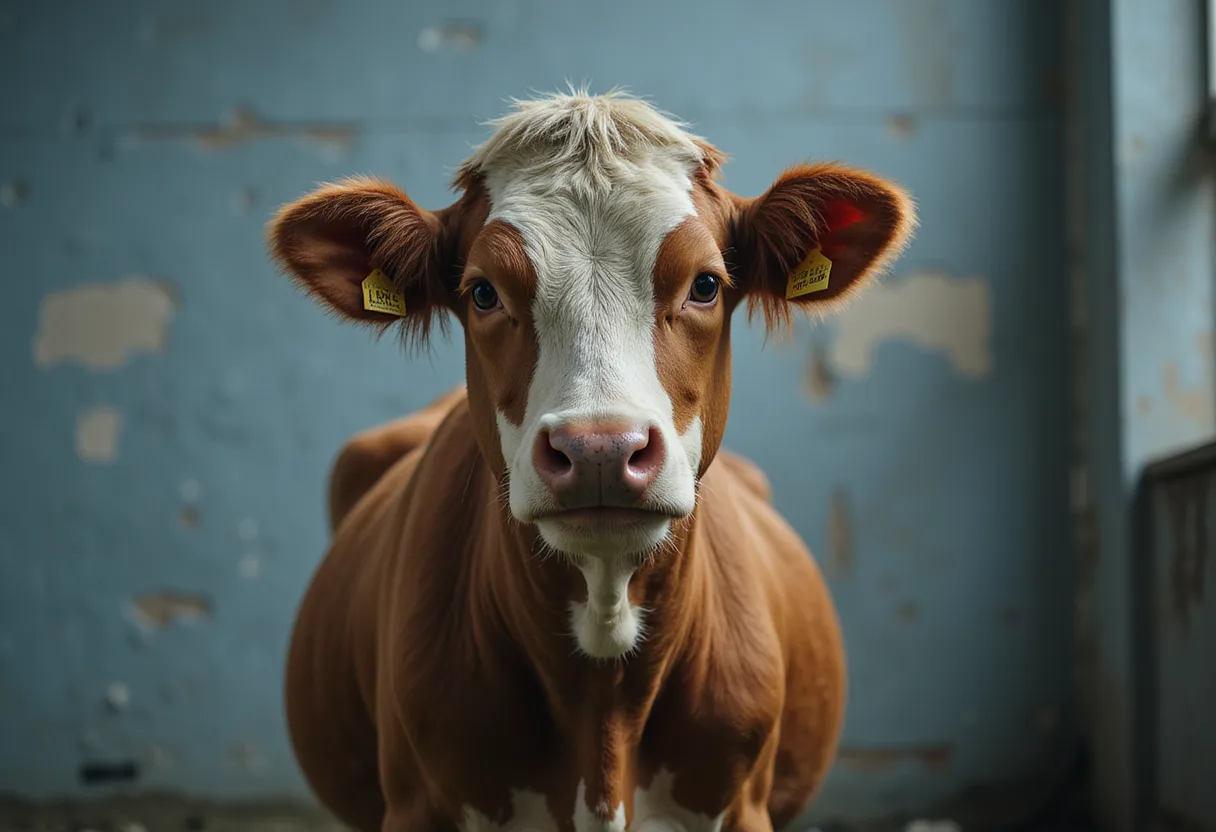
Photo: AI-generated
A study published October 2026 in Veterinary Microbiology (Volume 321) concludes that bovine viral diarrhea virus 2 (BVDV-2) drives parallel antiviral and tissue-remodeling gene programs in the calf thymus. The paper, titled "Bovine viral diarrhea virus 2 infection induces antiviral and remodeling transcriptional programs in the calf thymus," lists Fernando Vicosa Bauermann and Mayara Fernanda Maggioli among its 10 authors, alongside Ingryd Merchioratto, Hao Ma, Cristina Mendes Peter, Shollie Falkenberg, Jennifer M. Rudd, Renata Nobre da Fonseca, John Gilliam and Jared Taylor.
What does the title actually say?
Two findings sit inside the title. First, BVDV-2 produces an antiviral transcriptional program — coordinated upregulation of the messenger RNAs a cell uses to block viral replication. Second, BVDV-2 produces a remodeling program — coordinated shifts in the transcripts that govern tissue structure and immune-cell trafficking. Both occur in the calf thymus, the organ where bovine T cells mature and diversify.
Why does the thymus matter in a BVD-virus conversation?
BVDV-2 is a single-stranded RNA pestivirus. It causes transient postnatal infections with immunosuppression, thrombocytopenia and respiratory disease, and persistent infections in calves exposed in utero. The thymus sits upstream of every adaptive immune response the calf will mount. Damage or reprogramming at that site explains field reports of lymphopenia, poor vaccine responses and secondary pneumonia in PI calves.
What is a "transcriptional program" in plain terms?
A transcriptional program is the full set of mRNA molecules a cell produces at one moment. Researchers read that set with RNA sequencing. An antiviral program means interferon-stimulated genes, pattern-recognition receptors and effector molecules rise in step. A remodeling program means extracellular-matrix, cell-migration and apoptosis transcripts shift in step. The October 2026 paper places both programs inside the same thymic tissue after BVDV-2 exposure.
Who reads calf-thymus transcriptomics?
Vaccine developers, diagnostics manufacturers and regulatory reviewers at the USDA Center for Veterinary Biologics. Any signal in the thymus — the very organ BVDV-modified-live vaccines try to protect — shapes decisions on maternal-antibody interference, vaccination timing in calves and efficacy labeling. Practitioners in the chute rarely sequence thymus; the operational fallout lands on vaccination protocols and PI-calf culling decisions.
What changes at the exam table and in the barn?
Nothing immediate. Diagnostics still rest on ear-notch antigen-capture ELISA, serum PCR and virus isolation. The October 2026 finding sharpens interpretation: BVDV-2 is no longer just a virus that "suppresses immunity." It is a virus that rewires immunity at the transcript level while rebuilding the surrounding tissue. That distinction matters when explaining vaccine failure in well-vaccinated herds, when counseling buyers on PI risk, and when sequencing control programs around colostrum and biosecurity.
Companion-animal, food-animal, public-health split
Companion animal. Negligible. BVDV-2 infects cattle; dogs and cats carry separate pestiviruses of their own.
Food animal. Direct. The October 2026 paper gives stocker operators, feedlot veterinarians and dairy producers a mechanistic anchor for the thymic damage that drives PI-calf morbidity. Calf-ranch managers running pre-weaning vaccination protocols have the clearest stake, since maternal-antibody interference at 3 to 5 months maps directly onto a thymus that BVDV-2 is already remodeling.
Public health. None. BVDV-2 is not a zoonosis. No USDA Food Safety and Inspection Service action follows from the paper, and the FDA Center for Veterinary Medicine regulates therapeutics, not this transcript-level finding.
What to watch next
The October 2026 paper leaves three questions open: how long the dual programs persist after viral clearance, whether modified-live BVDV vaccines induce overlapping thymic signatures, and whether PI calves diverge from transiently infected calves in their thymic transcriptomes. Bauermann and Maggioli have signaled continued BVDV-2 work; their next publication will determine whether the antiviral arm, the remodeling arm or both drive the persistent lymphopenia observed in PI calves.
Source: Veterinary Microbiology (Elsevier)
Grace Kim
Show full bio
Staff writer covering regulation, policy and their impact on Small- and large-animal clinical practice at The Vet Scope.
Related articles
ASFV Protein R298L Blocks Innate Immune Pathways, Study Finds
Bovine coronavirus shedding at commingling cuts daily gain in calves
CASTOR2 Restricts PRRSV Entry via AKT-mTOR Pathway, Study Finds
Tripartite Cytokine Fusion Protein Shows Activity Against Pseudorabies Virus
Three-Year BLV Proviral Load Study Published in Journal of Dairy Science